The combination of a vibratory bowl feeder and a cam indexer is suitable for high-volume automated production scenarios that require orderly and precise feeding plus high-precision intermittent indexing and positioning.
1. Automated Assembly of Electronic Components
Typical applications include the insertion of small connectors such as USB ports and earphone plugs, assembly of miniature relays, and post-soldering appearance inspection stations for chip capacitors and resistors. The vibratory bowl feeder arranges disordered pins, housings, chip components, and other parts into an orderly output. The cam indexer drives an assembly turntable to achieve precise intermittent indexing from 0° to 360°. The dwell time at each station can match the assembly cycle, ensuring that positioning accuracy for pin insertion, pressing, and inspection is controlled within ±0.05 mm. This helps avoid misalignment, cold solder joints, and incomplete insertion.
For components with polarity requirements, such as diodes and LED beads, the vibratory bowl feeder can be equipped with an orientation output structure. Combined with the fixed stations of the indexer, polarity inspection and rejection of defective parts can be completed.
2. Automated Filling and Packaging in the Pharmaceutical and Food Industries
In the pharmaceutical field, the main application is blister packaging for capsules and tablets. The vibratory bowl feeder delivers tablets or capsules in an orderly manner to the cavities of the formed blister sheet. The cam indexer drives the blister turntable through intermittent indexing, sequentially completing filling, heat sealing, and punching. This ensures that the quantity and position of the product in each blister cavity remain consistent.
In the food industry, the combination can be used for twist wrapping of candies or for positioning bottle caps before capping of oral liquid bottles. The vibratory bowl feeder transports candies or caps, while the indexer drives the packaging turntable to complete feeding, twisting, and capping operations, reducing the risk of misalignment or missed filling.
3. Automated Machining and Inspection of Precision Hardware
For miniature hardware parts such as screws smaller than M1.2, small nuts, and precision pins, the vibratory bowl feeder provides oriented feeding. The cam indexer drives an inspection turntable for synchronized multi-station inspection, including outer diameter measurement, thread go/no-go gauge testing, and surface scratch inspection. Defective parts are automatically rejected by pneumatic pushers. The entire cycle can reach 30–60 pieces per minute, meeting the demands of high-volume production for small hardware parts.
This combination can also be used for riveting and tapping of small hardware components. The precise indexing of the cam indexer enables synchronized multi-station machining, reducing scrap rates caused by machining position deviation.
4. Safety Operating Boundaries
The equipment combination contains high-speed rotating parts. Protective devices compliant with relevant machine safety standards, such as GB 12265.3-2012, must be installed. Operators are strictly prohibited from touching rotating areas while the equipment is running.
During maintenance, a power-off and lockout procedure must be implemented. Maintenance work should only be performed by professionally trained personnel. Unauthorized adjustment of the cam indexer's indexing clearance or the vibratory bowl feeder's amplitude parameters is prohibited, as this may lead to reduced positioning accuracy or safety incidents.
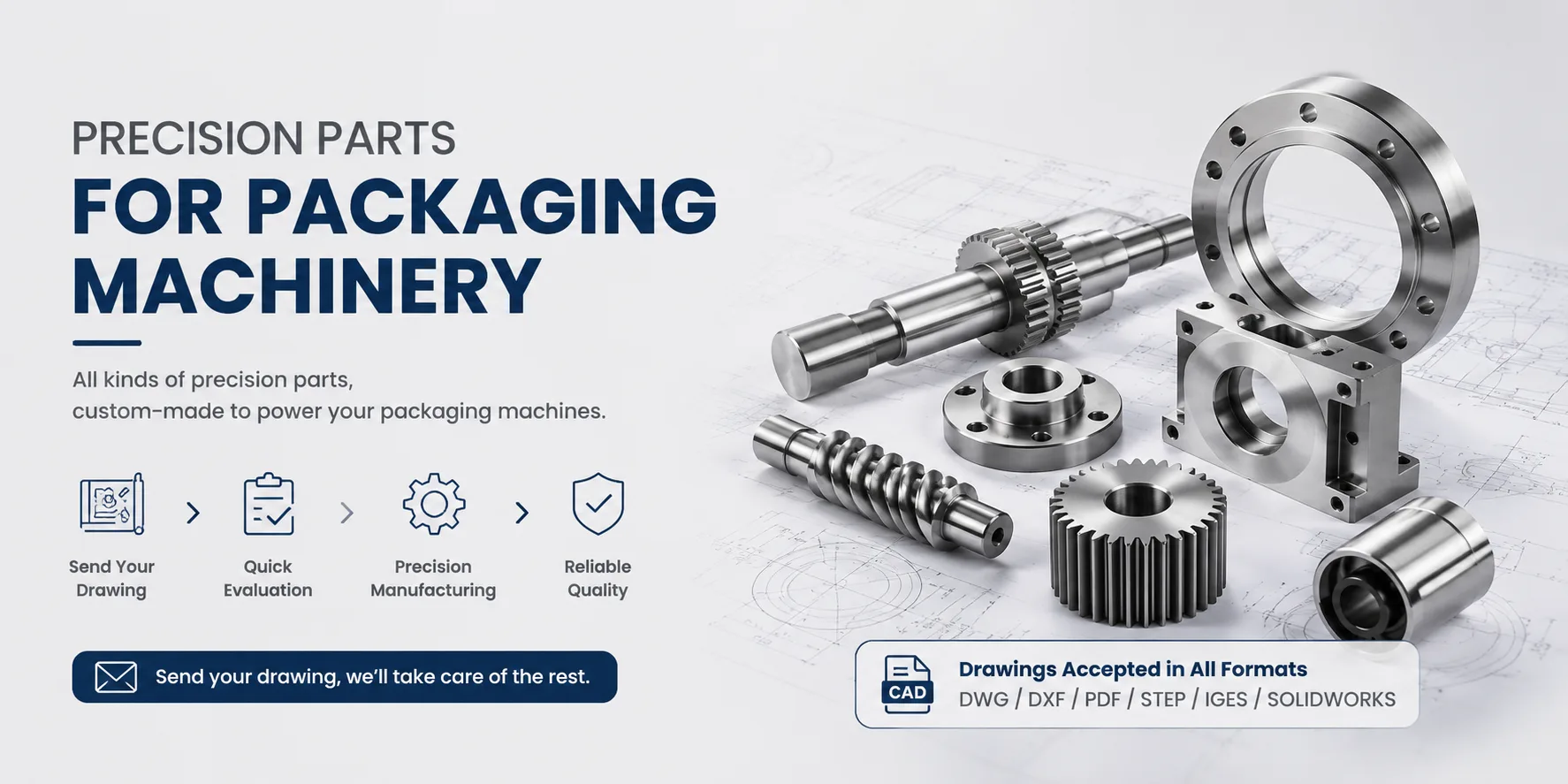
For manufacturers that require custom-machined components for vibratory bowl feeders, cam indexers, or related precision parts, Hansheng Automation provides machining services based on customer drawings, with attention to indexing accuracy and part consistency.