Chain conveyor equipment covers several common designs. Each one uses a chain to pull, carry, or move material, but the layout and the material being handled change the choice.
Chain conveyors
A chain conveyor uses a chain to pull or carry the load. The chain can also carry slats, metal mesh, or rollers. These conveyors move material horizontally or on an incline. They fit different production environments and processes. Common industries include food, beverage, electronics, and machinery manufacturing.
Overhead chain conveyors
An overhead chain conveyor is a closed loop that runs on a track above the floor. The chain hangs from the track and moves parts through the air. It saves floor space, and the route can bend and rise to fit the plant layout. Car plants, appliance lines, and coating lines use them to move and assemble workpieces.
Scraper conveyors
A scraper conveyor mounts scrapers on the chain. The scrapers run inside a closed housing and push material forward. This design handles powder, granules, and small lumps. It is common in coal mines, chemical plants, and metallurgy. One example is coal transport underground.
Bucket elevators
A bucket elevator fixes a series of buckets to a traction chain or another flexible part. The buckets lift material vertically or at a steep angle. It handles powder, granules, and small lumps such as grain, cement, and feed.
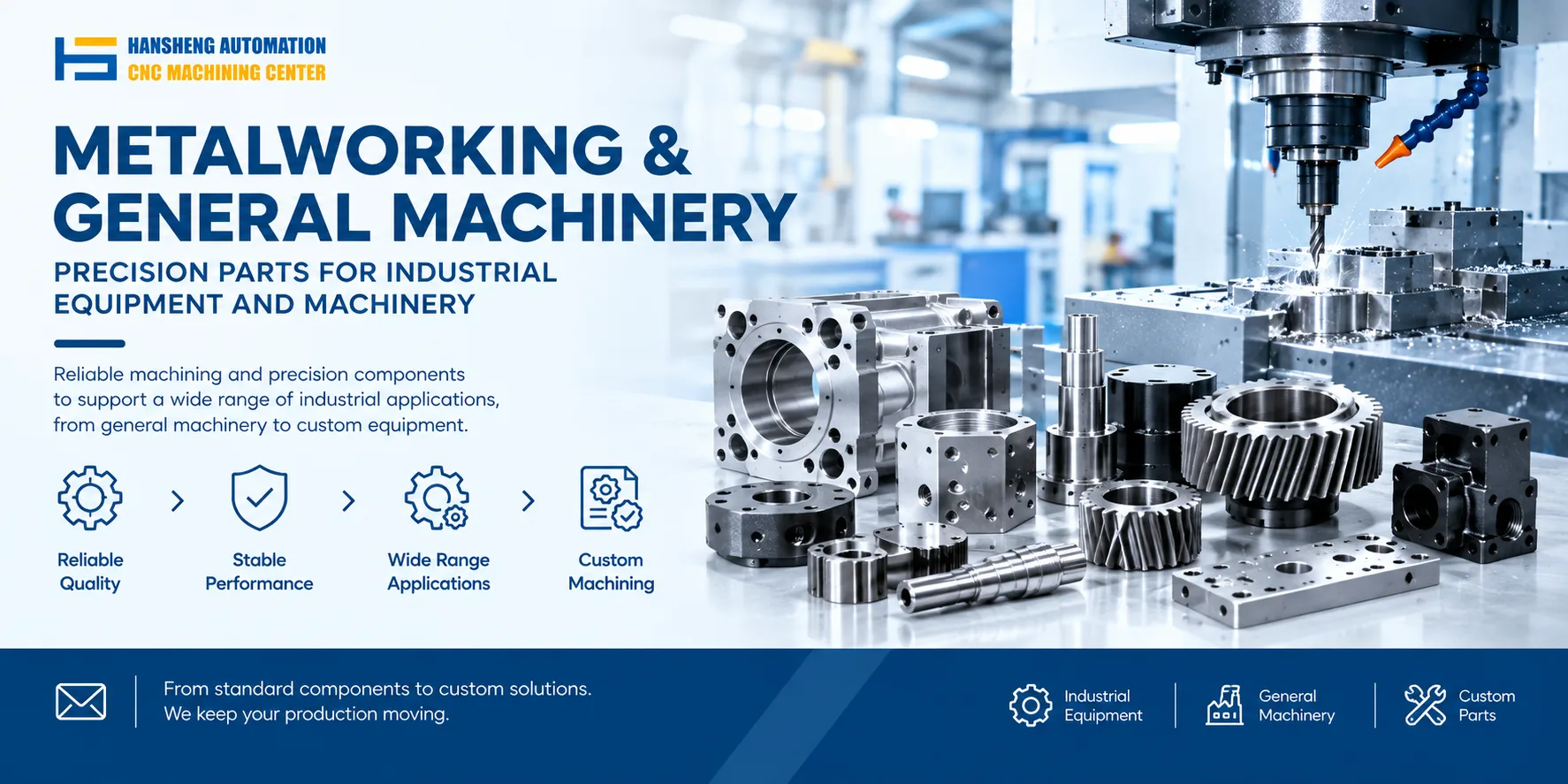
Wear parts on these machines include chains, sprockets, scrapers, buckets, and pins. When they reach their wear limit, Hansheng Automation can machine replacements from customer drawings. We match material, tolerance, and surface treatment to the drawing and working conditions.
Hansheng Automation also machines custom precision parts outside conveyor equipment. Our work covers yacht components, RC car components, tobacco packaging machinery parts, filling machinery parts, and similar non-standard parts for printing, food, and medical equipment. We work from customer drawings for single pieces and small batches.