Selection should match module performance to the actual application. The main points to check are precision, brand and quality, stroke and space, speed and lead, load and torque, motor selection, environment, error compensation, customization, and cost with after-sales support.
1. Precision
Repeat positioning accuracy directly affects machining or movement accuracy.
Lead screw module: ±0.01 to ±0.02 mm. Suitable for high-precision work such as precision assembly and 3C electronics.
Belt module: ±0.05 to ±0.1 mm. Suitable for applications with lower precision requirements, such as logistics sorting.
Error accumulation: the longer the belt module stroke, the larger the error. Balance stroke and precision based on the actual requirement.
2. Brand and quality
Imported vs domestic:
Imported brands such as HIWIN and THK offer high grinding accuracy, but cost more.
Domestic manufacturers vary. Some use imported components and deliver stable performance. Others use copied components, which can cause accuracy fluctuation and noise.
Check key part processes: guide rail, screw, and bearing brand and machining accuracy. For example, compare ground screws with rolled screws.
3. Stroke and space limits
Lead screw module: stroke is limited by screw length. It usually suits short-distance precision movement under 1 m.
Belt module: stroke can reach several meters, which fits long-distance transfer on automated lines. Belt tension affects accuracy.
Installation space: choose the module size based on equipment layout and avoid interference.
4. Speed and lead matching
Running speed is determined by lead, which is the distance the screw moves per revolution, and motor speed.
A large lead screw can reach high speed, but accuracy may drop.
Motor selection must match load inertia to avoid vibration or lost steps at high speed.
Acceleration: for frequent start and stop, consider module acceleration to prevent inertial impact.
5. Load and torque
Static load: for vertical installation, check the load weight to prevent screw bending or belt slack.
Dynamic torque: includes acceleration torque, friction torque, and others. Leave a 20% to 30% margin.
Mounting method: horizontal, vertical, or inclined installation has a clear effect on load capacity. Refer to the manufacturer torque curve.
6. Motor selection
Speed and power: calculate the required torque from speed and load, then choose a servo motor or stepper motor.
Servo motor: suits high-speed, high-precision applications, but costs more.
Stepper motor: suits low-speed, low-cost applications. Prevent lost steps.
Brand compatibility: make sure the motor and driver communication protocol match, such as CANopen or EtherCAT.
7. Environment adaptability
Protection class:
Enclosed module: dust and moisture protection. Suits harsh environments such as food processing and woodworking machinery.
Open module: good heat dissipation, but needs regular maintenance. Suits clean workshops.
Temperature range: high-temperature environments need heat-resistant grease. Low-temperature environments need condensation prevention.
8. Stroke error compensation
Long stroke optimization: belt modules can use a tensioning device to reduce slack. Lead screw modules can use double nut preload.
Feedback system: closed-loop control such as a linear scale can improve long-stroke accuracy, but adds cost.
9. Customization needs
Special structures: multi-axis linkage, vacuum-compatible versions, and similar requirements need discussion with the manufacturer.
Expansion interfaces: reserve mounting positions for sensors and limit switches for later upgrades.
10. Cost and after-sales
Life cycle cost: besides purchase price, consider maintenance frequency, spare part price, and service life.
Technical support: prefer suppliers that provide selection software, simulation services, and quick response, such as Taiwan Gaoji.
Suggested selection process
Define requirements: list core parameters such as precision, speed, load, and stroke.
Initial screening: exclude unsuitable models by type, lead screw or belt.
Detailed check: verify key component brands, motor matching, and environment adaptability.
Sample test: run actual tests for critical applications to confirm performance.
A systematic selection process helps avoid equipment failure or poor performance caused by mismatched parameters. It also improves the stability and cost efficiency of the automation system.
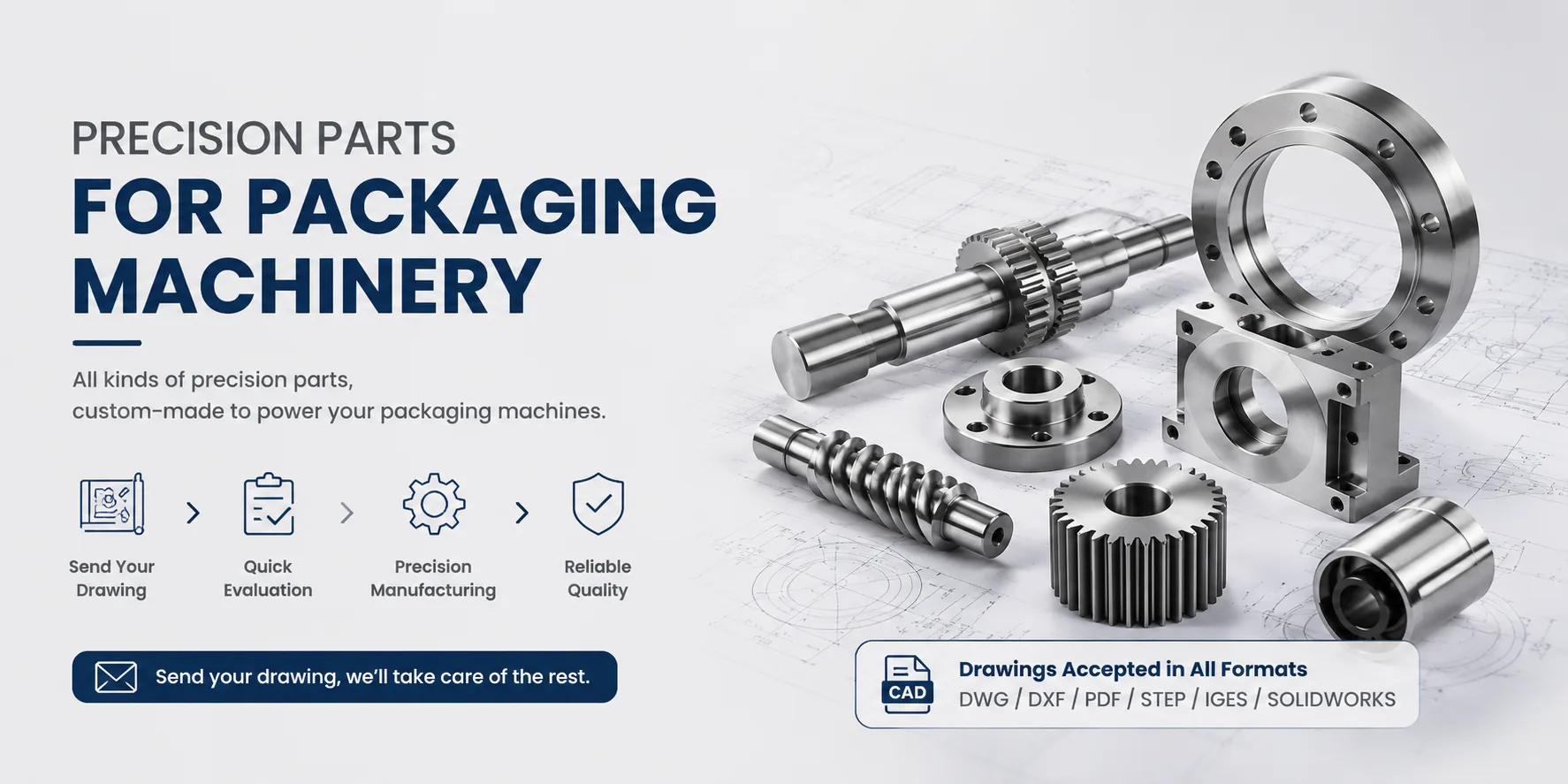
Hansheng Automation also manufactures linear modules and machines their precision parts from customer drawings, including guide rail mounts, slider components, screw supports, and belt drive parts. Single-piece and small-batch orders are supported.