A laser welding machine uses a high-energy-density focused laser beam as a heat source. It instantly melts the area to be welded and forms a strong metallurgical weld after cooling. It offers high welding accuracy, low thermal deformation, and can weld many metals and some non-metals.
Working principle
The laser generator produces a high-purity coherent laser beam through stimulated radiation. Mirrors, focusing lenses, and other optical systems focus the laser into a spot tens of microns to several millimeters wide. Power density rises to 10^6 to 10^12 W/cm². When the high-energy laser hits the welding area, the material melts or even vaporizes quickly. Workpiece movement or laser scanning completes the fusion. After the heat source leaves, the molten area cools and crystallizes quickly, forming a dense metallurgical weld with no obvious slag.
(1) Heat conduction welding mode: laser power density is relatively low. It only melts the workpiece surface. Weld depth is usually less than 1 mm. It is mostly used for thin precision workpieces 0.1 to 2 mm thick, such as electronic component pins.
(2) Deep penetration welding mode: laser power density is high enough. The material vaporizes and forms a keyhole. Laser energy goes deep into the workpiece through the keyhole. Weld depth can reach tens of millimeters, and welding speed is fast. It is mostly used for thick plates or high-strength structural parts.
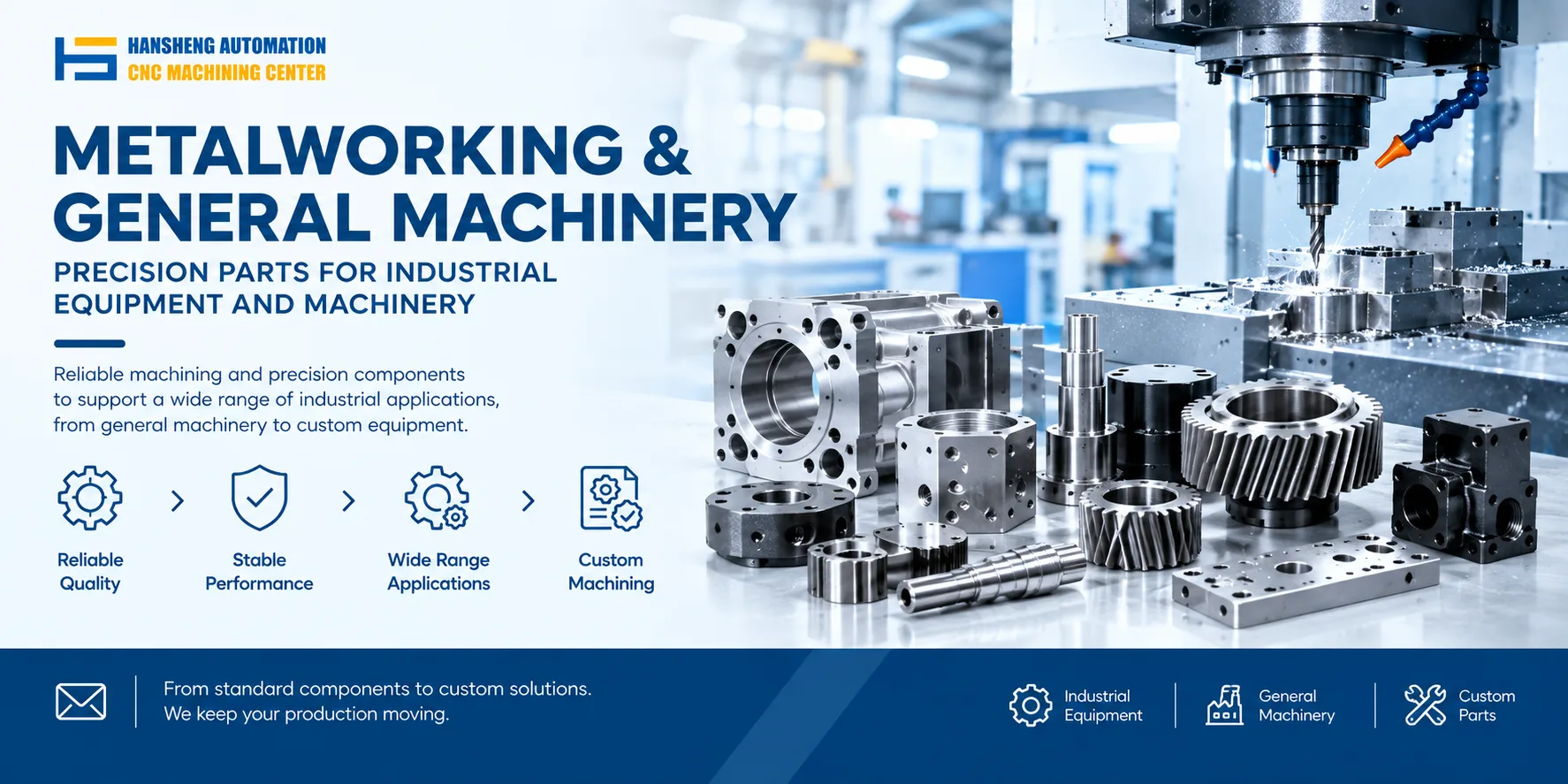
We can machine custom nozzles, fixtures, protective lens holders, and other precision parts for laser welding machines from customer drawings, for single-piece or low-volume production.
- Main application industries
- Electronics and electrical: consumer electronics, PCB circuit boards, connectors. Used for precision welding of phone midframes, battery tabs, and terminals. It enables micron-level positioning and avoids damage to precision electronic components.
- New energy: power battery packs, photovoltaic modules, hydrogen fuel cells. Used for high-precision welding of power battery posts, module connection sheets, housing seal welds, photovoltaic junction boxes, backsheets, and hydrogen fuel cell bipolar plates.
- Mechanical equipment manufacturing: hardware stamping parts, hydraulic pipe fittings, gears and racks, lightweight aluminum alloy components. It gives precision welds without grinding and reduces subsequent processing.
- Aerospace and defense: titanium alloy and aluminum alloy thin-wall aviation components, missile shells, small aero engine parts. Very low thermal deformation ensures dimensional accuracy and structural strength.
- Medical devices: surgical instruments, artificial joints, medical catheters. Welds are sterile and slag-free, meeting hygiene standards.
- Automotive manufacturing: new energy vehicle body aluminum alloy panels, battery pack housings, seat frames, sensor parts. It fits the lightweight production needs of automobiles.
Our custom precision component machining capability is not limited to laser welding equipment. Beyond welding nozzles, fixtures, and protective lens holders, we also machine yacht precision components, RC car structural parts, medical device parts, and non-standard parts for food machinery, textile machinery, and printing machinery. Hansheng Automation works from customer drawings and production quantities to deliver single-piece or low-volume precision machining.