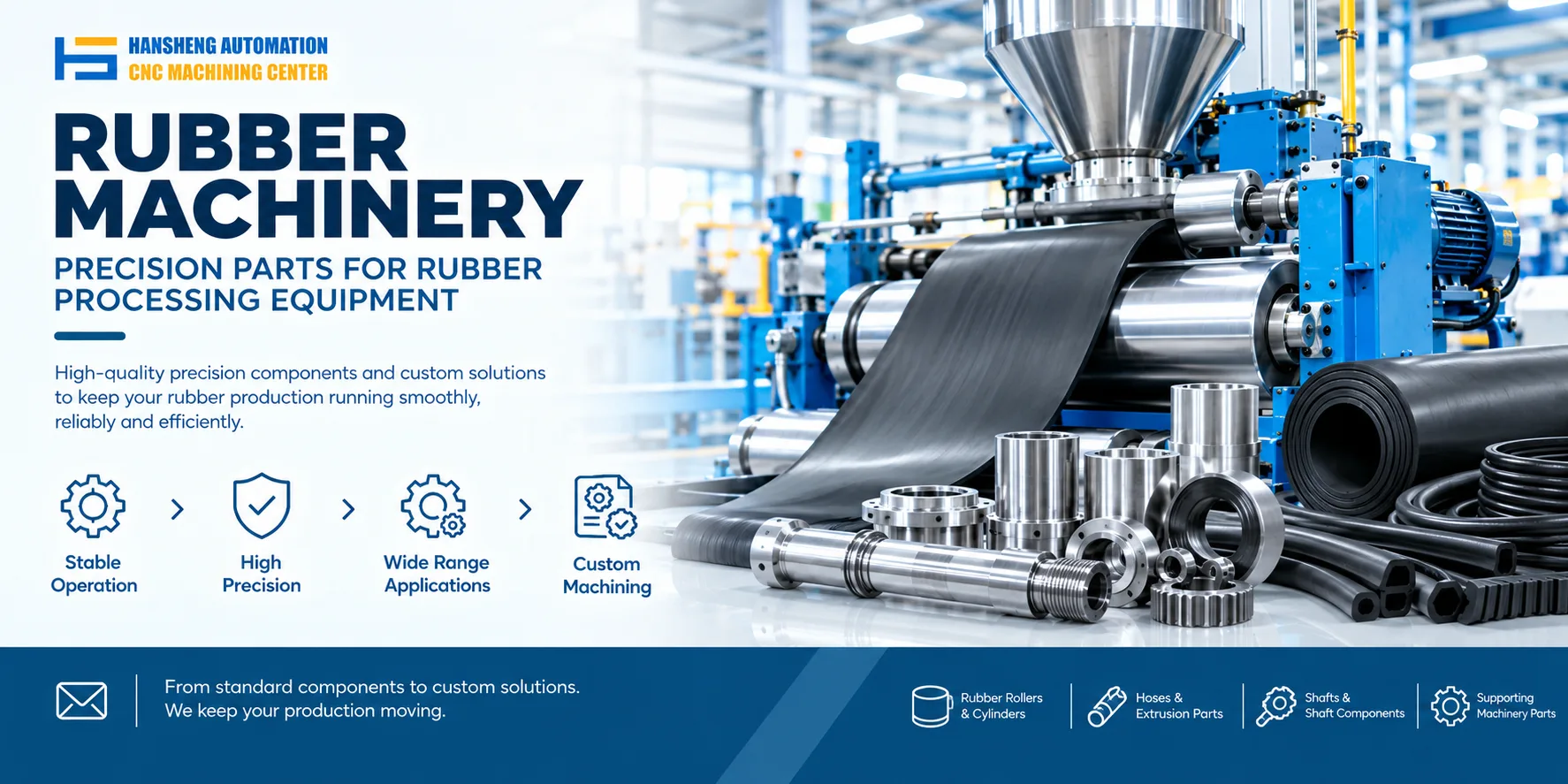
An internal mixer, also known as a closed-type rubber mixer, is an important piece of equipment in the rubber and plastics industries. It is primarily used for mastication and mixing of rubber, helping prepare polymer materials for subsequent processing.
1. What Is an Internal Mixer?
An internal mixer processes polymer materials in batches inside an enclosed mixing chamber. It uses a pair of specially shaped rotors that rotate relative to each other to work the material during processing.
The main components of an internal mixer include the mixing chamber, rotors, rotor sealing system, feeding and pressing devices, discharge mechanism, drive system, and machine base.
These components work together to control material feeding, mixing, and discharge during operation.
2. What Are the Main Functions of an Internal Mixer?
Rubber mastication
An internal mixer performs rubber mastication to soften the material and improve its processability. This prepares the rubber for subsequent compounding and forming operations.
Compound mixing
The machine mixes rubber with various compounding ingredients to produce a more uniform compound. Consistent mixing helps maintain the required properties and quality of the finished rubber products.
Controlled processing
An internal mixer provides a controlled processing environment in which temperature and pressure can be managed according to the material and production requirements. Appropriate process settings help improve mixing consistency and processing efficiency.
Applications across industries
Internal mixers are widely used in rubber manufacturing and also serve applications involving plastics, chemicals, pharmaceuticals, and other polymer materials. The specific machine configuration and processing conditions depend on the material being handled.
3. What Are the Advantages of an Internal Mixer?
Internal mixers offer an enclosed mixing environment and controllable processing conditions. These features support efficient material processing and consistent compound quality when the machine is operated under suitable conditions.
By combining material feeding, mechanical mixing, and controlled discharge in one machine, an internal mixer helps manufacturers manage the preparation of rubber and other polymer compounds.
Custom precision machining for industrial equipment
Internal mixers and other industrial machines rely on mechanical components that must meet their design and assembly requirements. Hansheng Automation provides custom precision machining based on customer drawings, with manufacturing processes selected according to component geometry, material specifications, and dimensional tolerances.
Our custom machining services also cover components for packaging and filling machinery, tobacco processing equipment, yacht systems, and RC racing cars. Customers can submit drawings and technical requirements for evaluation, whether they need individual prototypes or small batch production of non-standard mechanical parts.