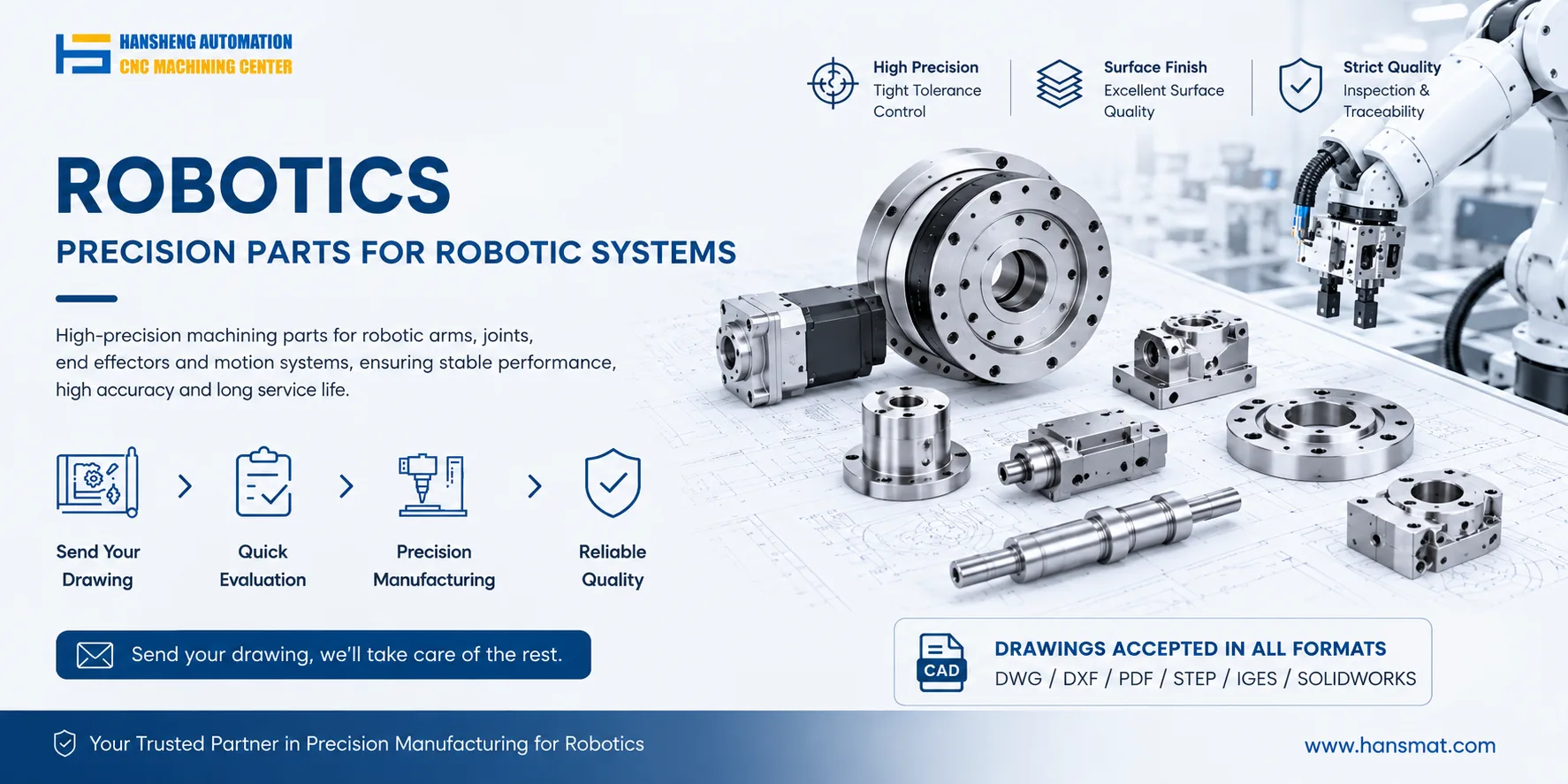
An industrial robot is a multi‑degree‑of‑freedom automated production device that integrates mechanical structure, drive system, control system, and perception system. It is designed to replace human labor in repetitive, high‑precision, or high‑risk tasks within industrial environments. Its core value lies in programmability and flexible motion capabilities, distinguishing it from fixed‑station dedicated machinery. By simply modifying programs, it can quickly adapt to different tasks. Some collaborative industrial robots can even work directly alongside operators without the need for safety fences.
I. Core Attributes
The essential characteristic of an industrial robot is its multi‑axis articulation capability (typically 6 axes), enabling precise positioning and orientation in space. Its tasks can be flexibly switched via teach pendant or offline programming, making it well‑suited for multi‑variety, small‑batch production modes.
II. Key Components
Mechanical structure: Includes the body, articulated arms, and end‑effector. The end‑effector can be quickly changed based on task requirements – welding torches for welding, grippers or suction cups for handling, etc. We can design and manufacture custom end‑effectors and adapter plates according to specific workpiece geometries and process needs, ensuring precise matching to the robot flange and improved operational efficiency.
Drive system: Provides power for motion. Mainstream options include servo motors (for high precision), hydraulic drives (for heavy loads), and pneumatic drives (for light‑load, low‑cost applications).
Control system: The "brain" of the robot, which sets trajectories and parameters through programming and regulates motion in real time. High‑end models can integrate AI‑based vision systems for autonomous path optimization and decision‑making.
Perception system: Captures environmental and self‑status information. Common sensors include vision cameras, force/torque sensors, position encoders, and collision detection devices, ensuring operational accuracy and safety.
III. Typical Application Scenarios
Automotive manufacturing: Body welding, painting, chassis assembly – high‑intensity and high‑pollution operations.
Electronics and electrical industry: PCB insertion, precision assembly, visual inspection – high‑precision operations.
Logistics and warehousing: Palletizing, handling, sorting – repetitive manual labor tasks.
Hazardous environments: Nuclear equipment maintenance, toxic material handling, high‑temperature spraying – where human exposure is undesirable.
For all the above application scenarios, we can supply custom‑manufactured precision components such as end‑effectors, dedicated fixtures, and tool changers based on customer process requirements, helping to accelerate the deployment of automated production lines.
IV. Common Classification Methods
By payload capacity: Lightweight (<10 kg, for electronics assembly), general‑purpose (10‑100 kg, covering most common scenarios), and heavy‑duty (>100 kg, for large structural components).
By function: Welding, material handling, painting, assembly, inspection, etc.
As the core equipment of smart manufacturing, industrial robots are continuously integrating perception, interconnection, and AI technologies, driving ongoing advancements in production methods.