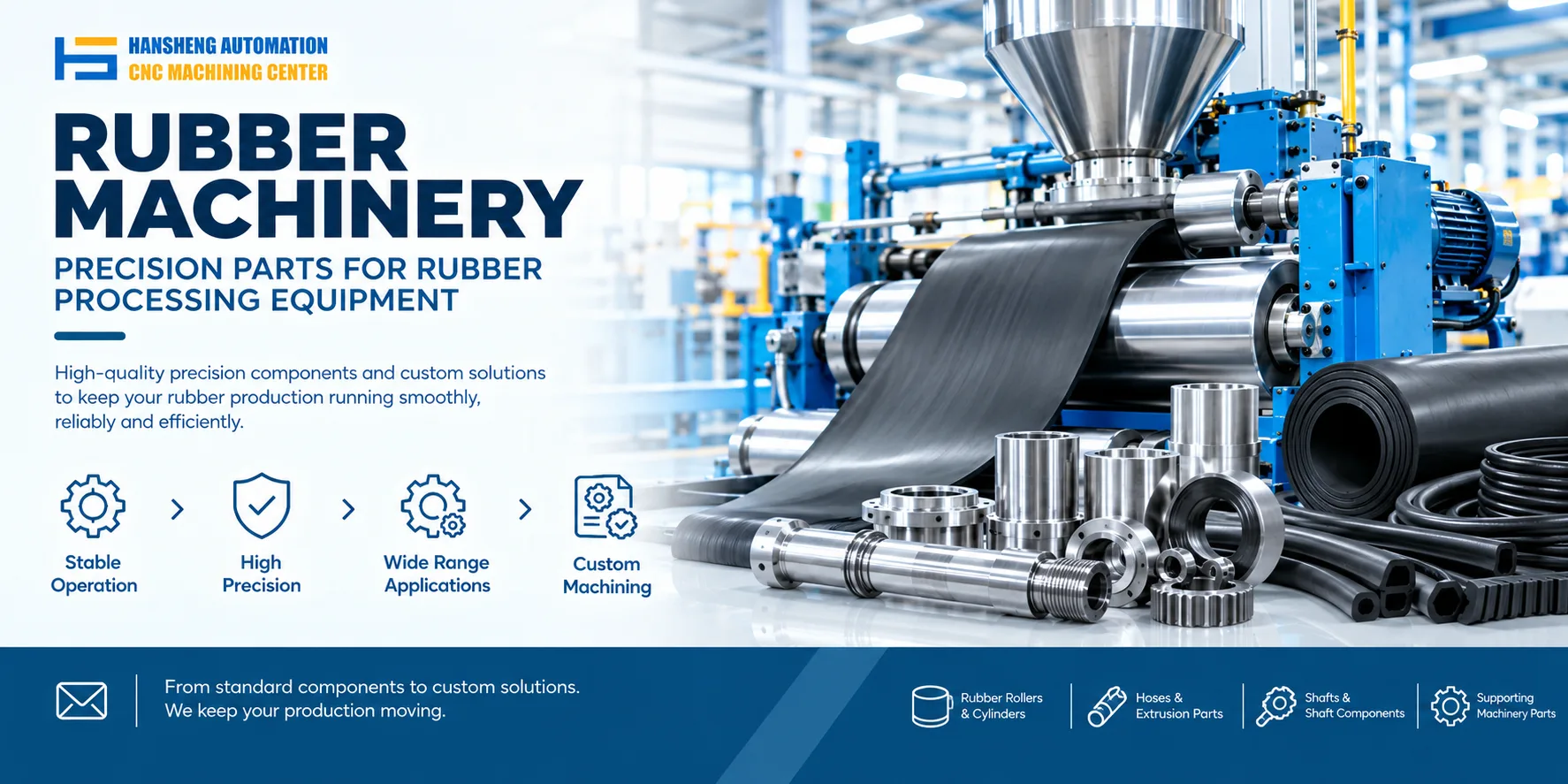
A flat vulcanizing bed is a common term for a flat vulcanizing press. This equipment is widely used in rubber processing and thermoset composite manufacturing. Its main function is to heat and press materials under controlled conditions to complete vulcanization or curing and form the finished product.
Main applications
Mass production of rubber products
Flat vulcanizing presses are widely used to manufacture O-rings, rubber seals, conveyor belt cover rubber, rubber soles, and industrial rubber rollers. During molding, an uncured rubber blank is subjected to a specified temperature and pressure, allowing crosslinking reactions to take place. The plastic rubber compound is then converted into a finished product with stable elasticity, strength, and dimensional accuracy.
Thermoset composite molding
The equipment can also be used to heat and press glass fiber reinforced plastics, phenolic resins, and epoxy resin based composites. Applying heat and pressure during curing helps produce dense molded parts with fewer internal air bubbles.
How a flat vulcanizing press works
Temperature and pressure control
The equipment uses an electric or steam heating system to bring the upper and lower platens to the required process temperature. A hydraulic system applies pressure to the mold, helping distribute the load evenly across the material inside the mold.
The temperature and pressure settings must match the material and molding requirements to achieve the intended curing or vulcanization result.
Control of the molding cycle
The holding time under heat and pressure depends on the product thickness and material properties. The cycle may last only a few seconds for thin rubber sealing rings or extend to tens of minutes for thick rubber linings.
Once the crosslinking reaction is complete, the pressure is released and the mold is opened to remove the finished product.
Safe operating requirements
A flat vulcanizing press operates under high temperature and pressure, so trained personnel must operate the equipment. Operators must follow the equipment's operating procedures to reduce the risk of burns, mechanical crushing injuries, and other hazards during production.
Custom precision component machining services
Beyond rubber processing equipment and related manufacturing applications, Hansheng Automation provides custom machining of precision components according to customer supplied drawings. Our work includes nonstandard parts for filling machinery and tobacco packaging equipment, along with precision components for yachts and RC racing cars. Each component is manufactured to the specified drawing dimensions and requirements.