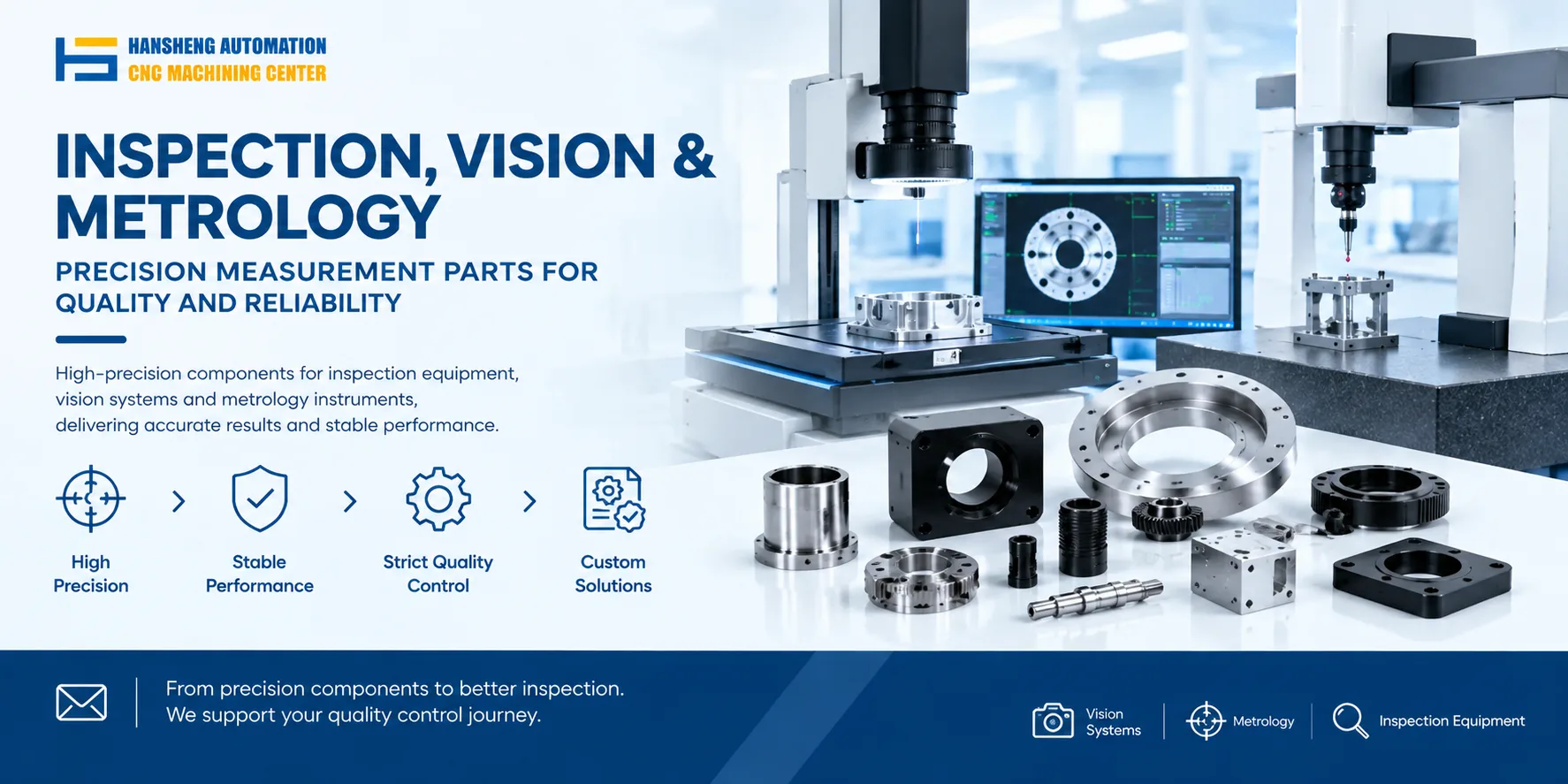
A CCD optical sorting machine, also known as a CCD visual inspection device, is an efficient system that uses optical inspection technology to separate acceptable products from defective ones. Its core principle is to capture images of the product surface through optical means and then analyze the images to judge product quality. This process greatly improves inspection efficiency and accuracy.
At present, optical sorting machines are widely used for appearance, dimensional, and defect inspection of products such as precision hardware, electronic components, ceramic parts, and silicone or rubber items. In these industries, optical sorting machines are gradually replacing traditional manual inspection. This is not only because they can inspect large quantities of products in a short time, but also because they provide more precise data and a lower false rejection rate.
Specifically, an optical sorting machine can quickly capture and analyze surface characteristics such as color, texture, and dimensions, and then determine whether the product meets quality standards. It can also accurately identify fine defects or flaws that are difficult to detect through manual inspection. In addition, the machine can be programmed with specific inspection criteria to achieve automated detection, significantly reducing labor costs.
Overall, CCD optical sorting machines have become an essential tool in modern industrial production due to their efficiency, accuracy, and reliability. As technology continues to advance, their application scope is expected to expand further, providing stronger technical support for product quality control.
For precision positioning fixtures, guide rails, or other non-standard mechanical components used in CCD optical sorting machines, Hansheng Automation provides custom machining services based on customer drawings.