A 3D curved surface polishing machine is used to polish the surface of 3D curved workpieces. It can perform efficient, flexible grinding on hard and brittle materials with irregular surfaces. It is used in aerospace, automotive manufacturing, 3C electronics, and other fields.
1. Core functions and applications
Function
It handles surface grinding and polishing for 2.5D/3D curved glass, ceramics, optical crystals, metals, carbon fiber, plastics, and other hard, brittle, or irregular materials. Traditional equipment has limited ability to process complex curved surfaces. This machine fills that gap.
Typical applications
3C electronics: curved polishing for mobile phone glass back covers, camera lenses, smart watch dials, and similar parts.
Aerospace: surface treatment for turbine blades, optical lenses, and other high-precision parts.
Automotive manufacturing: grinding of irregular curved surfaces for lamp covers, interior parts, and similar parts.
Medical field: polishing of biocompatible materials for artificial joints, dental implants, and similar parts.
2. Working principle and structure
Basic working mode
The upper polishing disc presses down on the workpiece. It works with the rotation of the upper polishing disc or lower disc. Friction performs surface polishing.
The machine supports simultaneous processing of multiple workpieces, which improves production efficiency.
Core components
Frame: The inner frame and outer frame form the machine and provide overall support and stability.
Fixture assembly: It is fixed to the inner frame and includes several workpiece discs and a drive mechanism. The workpiece disc has a receiving groove. The height difference between the groove opening and groove bottom prevents excessive wear on the concave edge of the workpiece. The drive mechanism moves the workpiece disc back and forth. This further reduces local wear on the concave edge from the polishing wheel.
Polishing wheel assembly: The mounting frame rotates with the outer frame and holds several polishing wheels. Polishing wheel material is selected by workpiece material, such as resin, diamond, or polyurethane, to suit different hardness requirements.
Flexible polishing capability: Workpiece reciprocating motion and the receiving groove design reduce excessive edge wear on 3D curved surfaces and improve yield. The machine supports single-side and double-side grinding and polishing, multi-station curved surface polishing, and six-axis CNC grinding. It covers processing needs from flat surfaces to 5D curved surfaces.
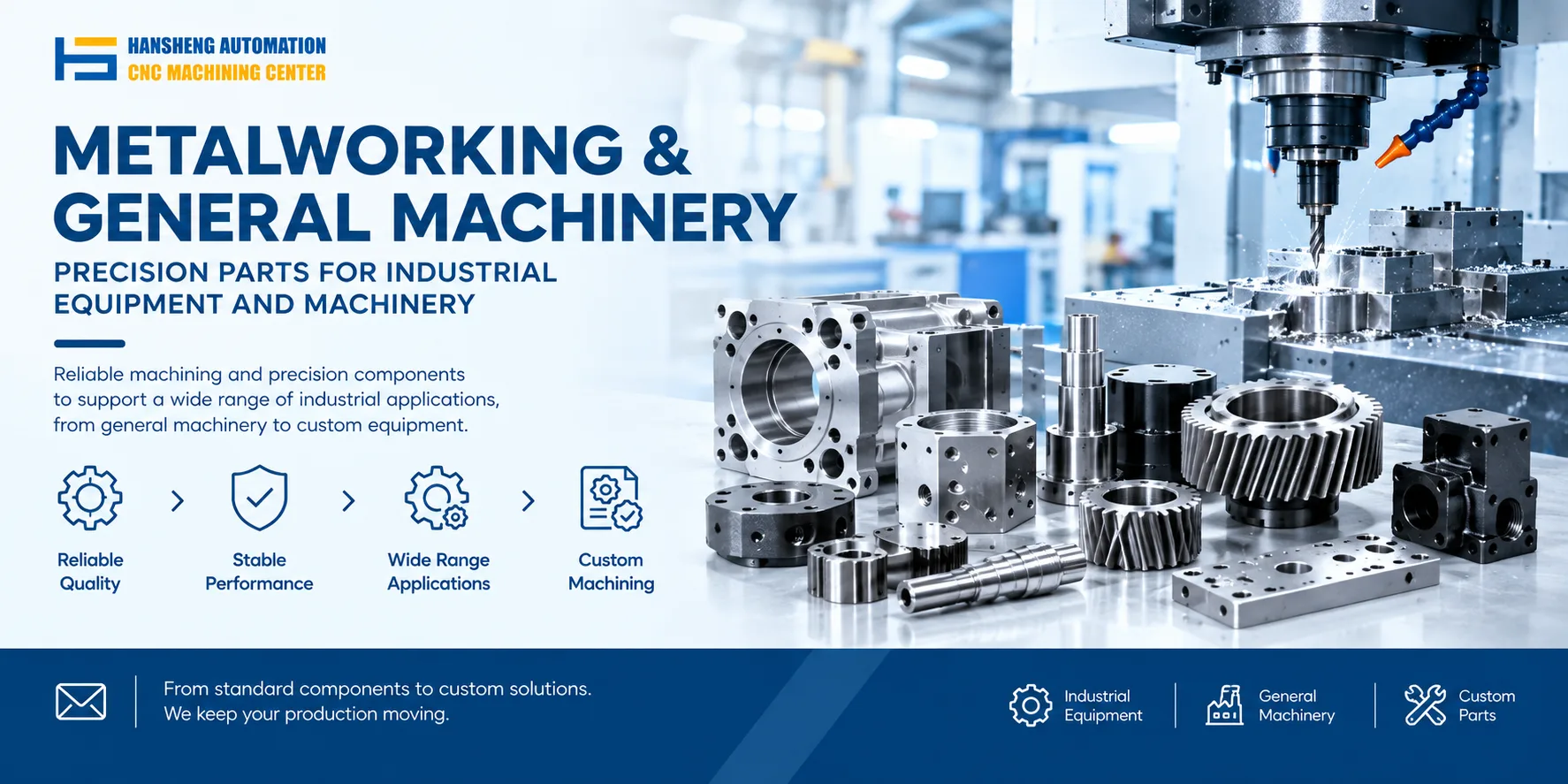
If a workpiece disc, receiving groove fixture, polishing wheel mounting frame, or drive part needs replacement, we can machine it from customer drawings, in single pieces or small batches. Hansheng Automation works to drawing dimensions and assembly clearances.
3. Process adaptability and production consistency
Process adaptability
Adjust polishing parameters such as pressure, speed, and time according to material properties, including ceramic brittleness and metal ductility. Combine polishing materials such as cerium oxide and aluminum oxide abrasives with the process to improve surface roughness. Ra can be as low as 0.01 μm.
Production consistency
From a single machine to a complete line, an intelligent polishing production management system monitors processing parameters in real time. A standardized process keeps workpiece surface results consistent in batch production.
4. Industry applications and solutions
Aerospace manufacturing
For difficult materials such as titanium alloys and superalloys, a six-axis CNC polishing machine performs precision polishing on complex curved surfaces and meets high fatigue strength requirements.
Automotive manufacturing
A multi-station curved surface polishing machine is used for transparent lamp cover processing. Multiple stations work together to shorten the production cycle and improve light transmittance.
3C electronics
For polishing needs across ceramics, glass, metals, and other materials, the machine provides a matching solution and lowers customer equipment purchase cost.
5. Development trends
Intelligent upgrade
Integrate machine vision and AI algorithms to plan polishing paths automatically and detect defects in real time.
Green manufacturing
Develop low-dust, low-noise polishing processes that reduce material loss during processing.
Ultra-precision machining
Move toward nanoscale surface roughness (Ra < 0.001 μm) to meet needs in semiconductors, optics, and other high-end fields.
Our precision parts machining service is not limited to 3D curved surface polishing equipment. Hansheng Automation can machine custom parts from drawings for medical device parts, automotive inspection fixture parts, printing machinery parts, and aerospace tooling parts. We also cover yacht precision fittings, RC car structural parts, tobacco packaging machinery parts, and filling machinery parts. Single pieces and small batches are both available, with attention to material, tolerance, surface finish, and assembly fit.