A metal detector checks for metal contamination that gets into products during production. Food, pharmaceutical, cosmetics, and textile lines use them most. They can find iron, stainless steel, copper, aluminum, and other metals. The metal may come from equipment wear, raw material contamination, or other sources. The purpose is to keep metal out of the final product and protect product quality and consumer safety.
Common metal detectors work by electromagnetic induction or X-ray. When metal passes through the detection area, it disturbs the electromagnetic field or absorbs X-rays. The unit then alarms and indicates the metal location. On a production line, a metal detector often works with a reject device. When metal is found, the line alarms, stops, or rejects the nonconforming product. Different metals are not equally easy to detect. Iron is usually easier. Non-ferrous metals such as stainless steel, copper, and aluminum are harder. Actual performance depends on the operating frequency, product effect, and site interference.
Metal detectors are also used in pharmaceuticals, clothing, toys, chemicals, leather, light industry, and other sectors. They check whether products contain metal impurities or other metal objects. These industries have high quality and safety requirements, so metal detectors are common in production quality control.
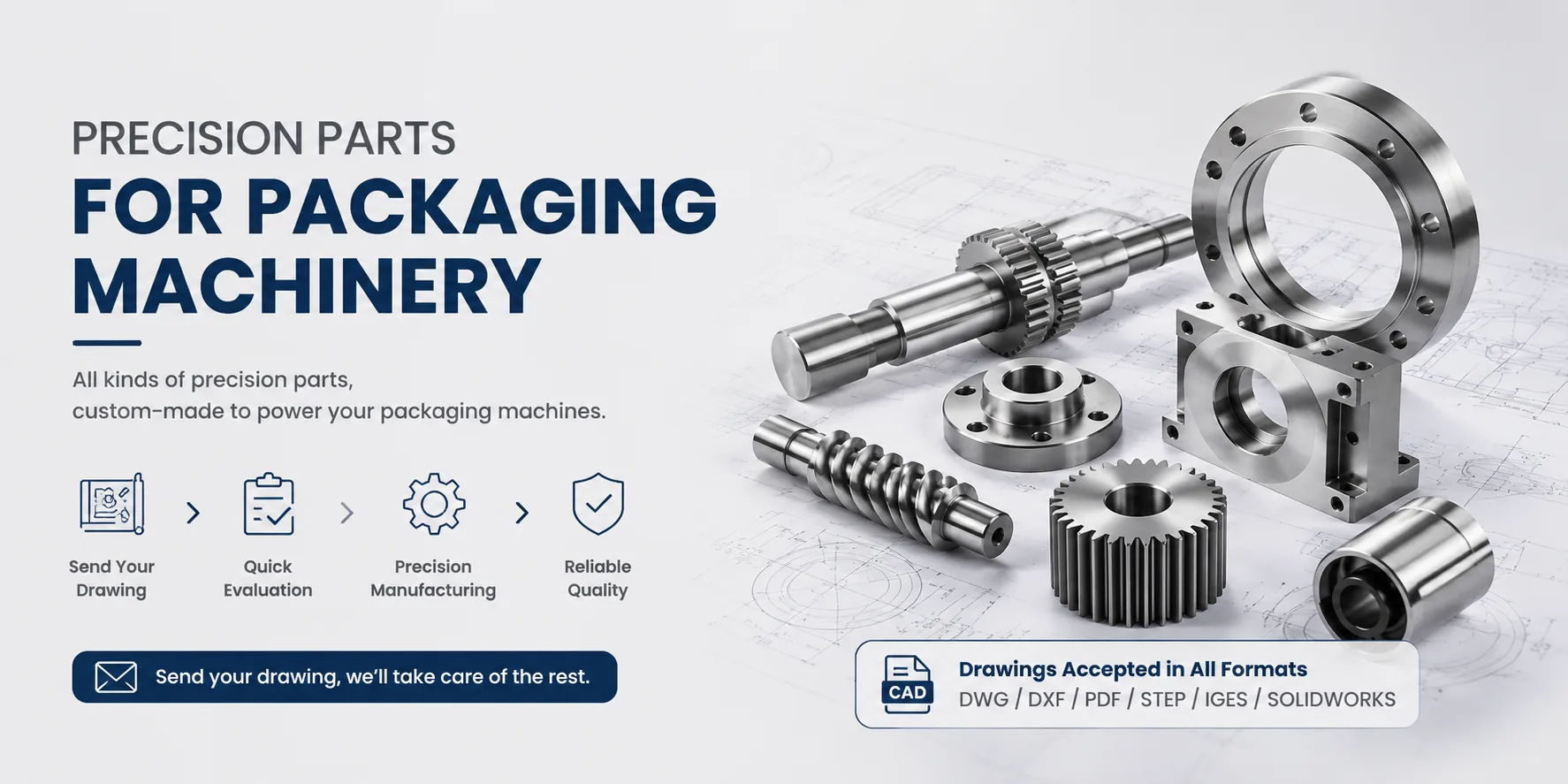
We machine precision parts for metal detectors from customer drawings, such as conveyor brackets, adjustment seats, reject mechanism parts, and guards. Hansheng Automation supports single-piece and small-batch custom machining. Material can be 304/316 stainless steel, aluminum alloy, or other grades specified on the drawing. Tolerances and surface treatment follow the drawing. We focus on precision machined parts, not complete machines.
A metal detector supports production quality control. It reduces the risk of metal contamination, improves inspection efficiency, and protects consumer safety. Beyond metal detector parts, our drawing-based custom machining also covers medical devices, filling machinery, tobacco packaging machinery, yacht precision parts, and RC car structural parts. We machine single pieces and small batches to drawing, mainly for equipment builders and production lines.