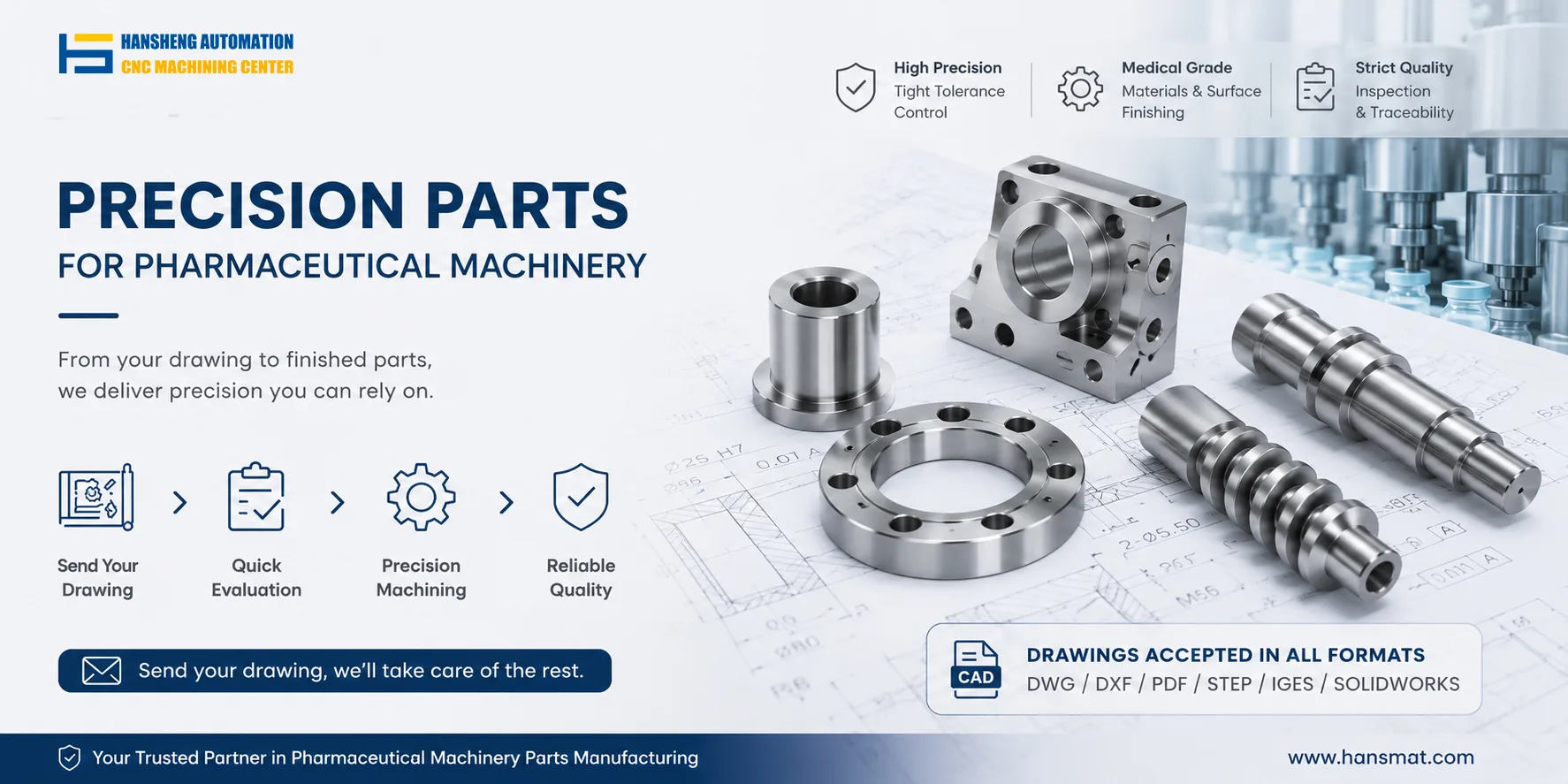
When operating a dry granulator, correct and standardized operations ensure normal running, prevent unnecessary failures, and effectively extend equipment service life. As supporting equipment, spray granulation dryers are also widely used due to their ability to meet "GMP" standards, primarily because their internal and external surfaces are smooth and free of dead zones, operating under sealed negative pressure. To achieve these cleaning and sealing standards, Hansheng Automation can custom-machine critical non-standard components-such as nozzles, damper valve cores, and connecting flanges-based on design drawings provided by clients, ensuring tight fitting and easy cleaning of the parts. Additionally, adopting a new atomizing system that adapts better to binders can significantly improve the finished product qualification rate.
Below are the correct operating and basic preparation steps before and during equipment operation:
First, before startup, check whether the equipment is marked with a cleanliness certificate and an equipment integrity certificate. Then, check whether the air compressor runs normally, verify that the compressor oil level is within the control line, drain the condensation water inside the compressed air pipelines, and switch on the control power.
Next, turn on and start the air compressor power switch to bring the compressed air output pressure to the set pressure. At this stage, inspect the pipelines from the control cabinet's compressed air source to each cylinder to ensure there are no air leaks, and address any issues. Check whether the ammeter, pressure gauge, and voltmeter are indicating normally.
Subsequently, check whether the temperature controller operates normally, set the inlet air temperature, and observe if the steam solenoid valve functions flexibly. Switch the "Auto/Manual" selector to the manual position, and individually test the left damper, left dust clearing, right damper, and right dust clearing to observe whether each pneumatic action is flexible. Once tested, switch the "Auto/Manual" selector back to the automatic position to verify if the automatic control program run logic is correct.
During the filtration system preparation phase, secure the filter bag onto the bag rack, then tie and secure the lower end of the filter bag to the flange of the lower cylinder, checking its tension. It is worth noting that tying the bag too tightly can easily damage it, while tying it too loosely will prevent dust from shedding effectively; also, inspect the filter bag thoroughly for any tears or damage.
Finally, push the fluidized bed/material bowl into the main unit, activate the lifting mechanism, and firmly lock the middle cylinder with bolts. Prepare the binder according to process requirements, and check whether the peristaltic pump feeding tube has successfully introduced the liquid material.