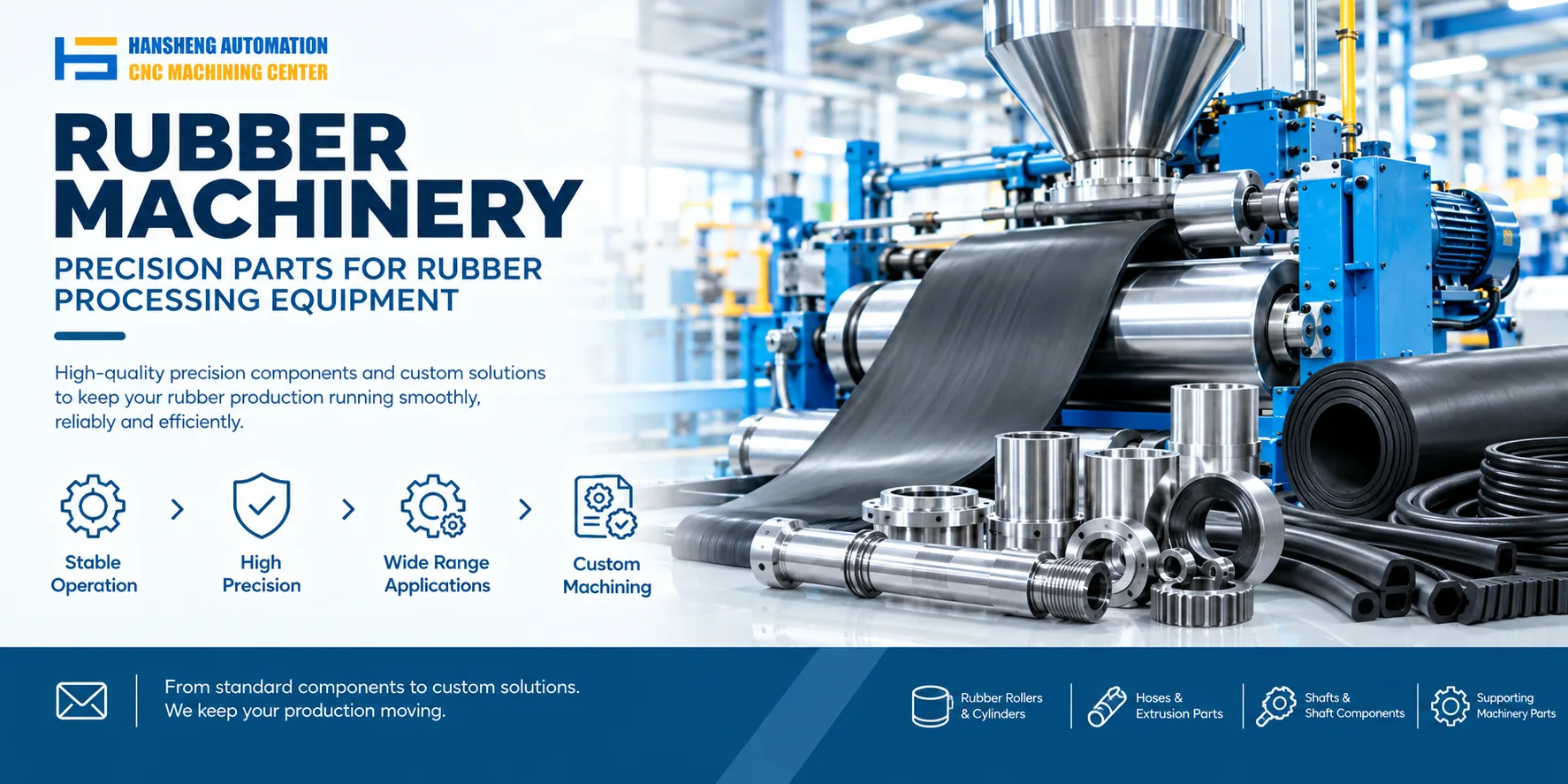
Three common types of front-end multi-roll equipment are multi-roll leveling units, precision multi-roll feeders, and multi-roll calendering units. Each type serves a different function in the production line, including material leveling, precision feeding, and preliminary thickness reduction.
Multi-roll leveling units
Multi-roll leveling units are installed at the front end of decoiling and leveling lines to correct minor warping and waviness in sheet materials.
These units typically use 5 to 11 leveling rolls, with roll diameters generally ranging from φ80 to φ200 mm. The roll surfaces are commonly hard chrome plated to improve wear resistance and reduce the risk of scratching the material.
Typical applications include the preliminary processing of cold rolled steel sheets, galvanized steel sheets, and aluminum foil coils. The leveling rolls help correct minor material deformation before subsequent processing.
Precision multi-roll feeders
Precision multi-roll feeders are used at the front end of stamping production lines to feed sheet and strip materials into downstream equipment.
A typical unit has 4 to 8 groups of synchronized rollers. The roll surfaces can be rubber coated or made of metal, depending on the feeding requirements.
The feeding accuracy can reach ±0.05 mm. One touch roll gap adjustment allows the equipment to accommodate strip and sheet thicknesses ranging from 0.1 to 6 mm.
These feeders are commonly used to supply materials for precision stamping applications, including home appliance housings and automotive interior panels.
Multi-roll calendering units
Multi-roll calendering units are installed at the front end of film and foil production lines. They typically contain 2 to 6 continuous calender rolls, with controllable roll surface temperatures ranging from room temperature to 300°C. The roll surface roughness can also be adjusted according to the material being processed.
These units perform preliminary calendering on molten feedstock or pre-rolled semi-finished materials to bring them into the required thickness range.
Typical applications include lithium battery copper foil and plastic films used in food packaging.
Safety requirements for multi-roll equipment
All types of multi-roll equipment present a pinch hazard around rotating rollers. Before performing maintenance or cleaning, operators must disconnect the power supply and follow the lockout/tagout procedure to prevent accidental startup.
Maintenance and repair work should be carried out by qualified equipment maintenance personnel.
Custom precision machining for industrial equipment
Beyond these applications, Hansheng Automation provides custom precision machining of nonstandard components based on customer supplied drawings. Our services cover precision parts for industrial machinery, including tobacco packaging and filling equipment, as well as structural components for yachts and remote control racing cars. We manufacture components according to drawing specifications and part requirements for different industrial applications.