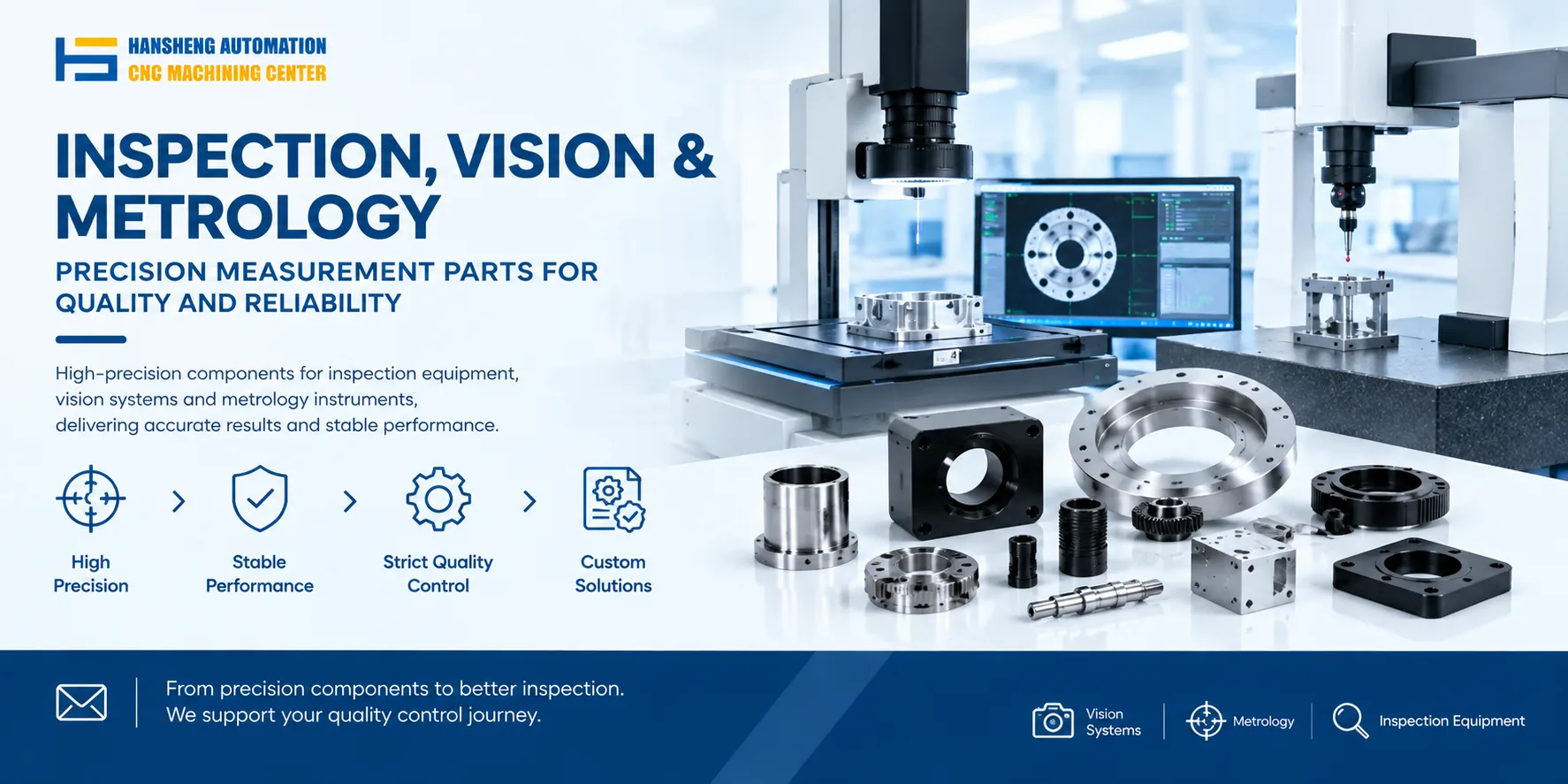
Optical oil seal full inspection machines are used for automated, high-precision inspection of oil seals and similar components. Their main functions cover a wide range of inspection objects, diverse detection content, and significant improvements in production efficiency and automation.
These machines can inspect various part types, including hardware, electronic components, magnetic materials, rubber parts, and connectors, meeting requirements across different industries. They are capable of detecting mixed materials, cracks, burrs, dimensional defects, and other quality issues, ensuring that finished parts meet specified standards.
Compared with manual visual inspection, machine vision inspection greatly improves productivity and automation levels. It also facilitates information integration and serves as a fundamental technology for connecting production with computerized systems. The non-contact measurement method avoids damage to both the observer and the observed object, provides a broad spectral response range, and improves system stability during continuous operation.
In practical use, optical full inspection supports high-precision quality control while increasing inspection speed and reducing labor costs. It helps prevent defective products from reaching the market and improves overall product quality. Daily operation is convenient, safe, and simple, and the equipment maintains stable performance during long working periods.
For manufacturers requiring custom-machined oil seals, sealing components, or related non-standard precision parts, Hansheng Automation provides machining services according to customer drawings or samples, with optical full inspection integrated into the production process to verify critical dimensions and surface defects before delivery.