The startup and shutdown process and post-shutdown maintenance of a laser cutting machine must follow specifications to ensure equipment life and processing safety.
Standard startup and shutdown process
(1) Startup steps
Pre-startup check: Clean cutting waste and debris from the worktable and guide rails. Confirm the cooling water tank level is between 1/2 and 2/3 of the scale, cooling water temperature is 20 to 28°C, and compressed air pressure is 0.5 to 0.7 MPa. Check that laser gas source pressure meets equipment requirements.
Power on in sequence: Turn on the main power switch, control system host power, and laser generator power in order.
Start auxiliary systems: Turn on the cooling circulation pump and compressed air supply system. Wait for the equipment self-check to complete and confirm there are no fault alarms.
No-load test: Run the cutting head in an empty travel move. Check that guide rails run smoothly and the optical path is normal. Start processing after confirming no abnormalities.
(2) Shutdown steps
Stop processing: Turn off the laser output function first. Move the cutting head to a safe area and exit the current processing program.
Shut down auxiliary systems: Close the compressed air supply valve and cooling circulation pump in order.
Power off in sequence: Turn off the laser generator power, control system host power, and main power switch in order.
Final cleaning: Clean residual waste from the worktable. Wipe stains and debris from the equipment surface.
Maintenance process after shutdown
(1) Daily maintenance after a single job (short-term shutdown)
Optical path cleaning: Use a lint-free cloth with a small amount of anhydrous ethanol to gently wipe the laser reflectors, focusing lens, and protective lens. Avoid fingerprints and dust affecting optical path accuracy. Never touch the lens surface directly with hands.
Transmission parts care: Apply dedicated guide rail lubricant to linear guide rails and racks. Clean cutting debris from the lead screw to prevent rust and sticking.
Consumable check: Check nozzles and protective lenses for slag buildup or damage. Replace consumables that reach the wear threshold in time. We can machine custom nozzles, protective lens holders, and other precision parts for laser cutting machines from customer drawings, for single-piece or low-volume production.
System and environment cleaning: Clear the control system cache and back up the day's processing data. Wipe the operation panel and vents, and remove accumulated dust to maintain heat dissipation.
(2) Long-term shutdown maintenance (more than 3 days)
Cooling system treatment: Drain the cooling water from the tank. When ambient temperature is below 0°C, drain completely to prevent pipe freezing and equipment damage. In normal temperature environments, keep a small amount of soft water to inhibit metal part rust.
Full equipment protection: Cover the entire machine with a dust cover to block external dust and moisture.
Rust prevention: Apply sufficient anti-rust lubricant to the lead screw, guide rails, and racks. Wrap with anti-rust film to prevent metal part corrosion.
Laser system maintenance: Disconnect the high-voltage power supply of the laser generator. Use dedicated dust removal tools to clean dust and debris inside the generator.
Status record: Note the equipment shutdown status and key points to check before restarting, for quick recovery later.
Safety precautions
All maintenance operations must be performed after the equipment is powered off and stopped. Live work is strictly prohibited.
Use dedicated lint-free cloth and anhydrous ethanol when cleaning lenses. Avoid ordinary cloth or corrosive cleaners.
For long-term shutdown, disconnect the main power supply to avoid standby power consumption and circuit aging safety hazards.
Use original matching parts when replacing consumables to avoid affecting processing accuracy and equipment safety due to parameter mismatch.
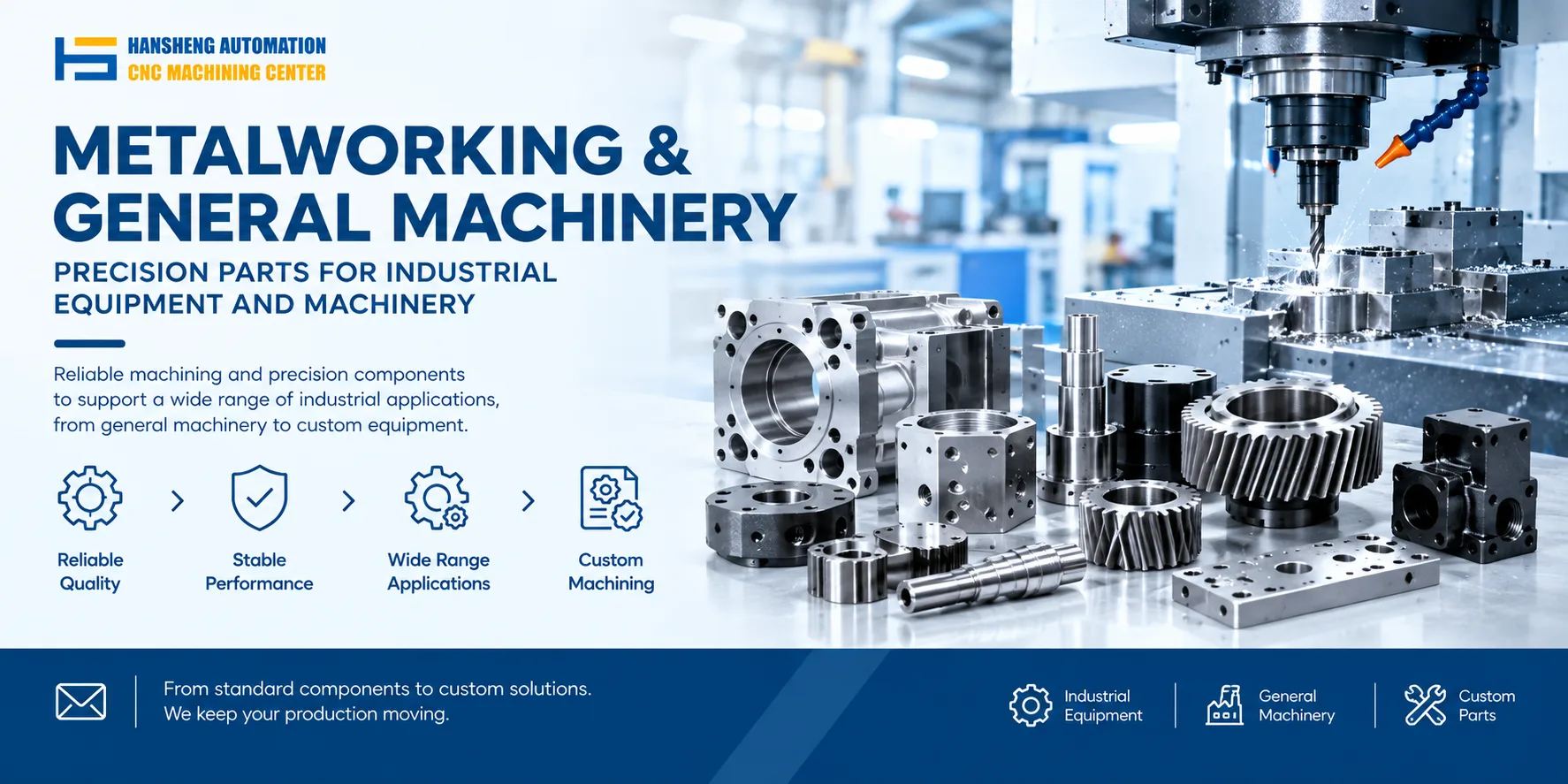
Our custom precision component machining capability is not limited to laser cutting equipment. Beyond cutting nozzles, protective lens holders, and fixtures, we also machine yacht precision components, RC car structural parts, medical device parts, and non-standard parts for food machinery, textile machinery, and tobacco packaging machinery. Hansheng Automation works from customer drawings and production quantities to deliver single-piece or low-volume precision machining.