While the specific configuration of a pipeline transportation system depends on the fluid medium (such as crude oil, refined products, natural gas, chemical slurries, or water), the core engineering architecture comprises five primary subsystems: motive power equipment, containment vessels, piping networks, instrumentation and control infrastructure, and auxiliary safety systems.
1. Motive Power Equipment
Pumps: The primary hydraulic machinery for liquid transfer, converting mechanical energy into dynamic and hydrostatic pressure. Depending on volumetric throughput, discharge head, and fluid viscosity, systems utilize centrifugal pumps, positive displacement reciprocating pumps, or progressive cavity pumps.
Compressors: The mechanical backbone for gas pipeline transmission, designed to elevate gas pressure to overcome line friction and elevation changes. Industrial gas transmission relies predominantly on high-capacity centrifugal compressors and multi-stage reciprocating compressors.
2. Storage and Containment Vessels
Storage Tanks: Large-volume atmospheric or low-pressure vessels (such as floating-roof crude tanks, fixed-roof product tanks, and water reservoirs) that serve as critical operational buffers, ensuring continuous pipeline utilization during supply variations.
Process Pressure Vessels: Mid-line containment structures engineered for multi-phase processing and hydraulic stabilization, including gas-liquid separators, pulsation dampeners, knock-out drums, and flash vessels.
3. Piping, Fittings, and Control Valves
Line Pipe: The primary conduit governing fluid transport, selected from carbon steel, stainless steel, low-temperature alloy steels, or high-density polyethylene (HDPE) based on design pressure, operating temperature, and chemical compatibility.
Piping Components and Fittings: Structural elements including elbows, equal and reducing tees, concentric and eccentric reducers, spectacle blinds, and weld-neck flanges that facilitate directional changes, line convergence, and diameter transitions.
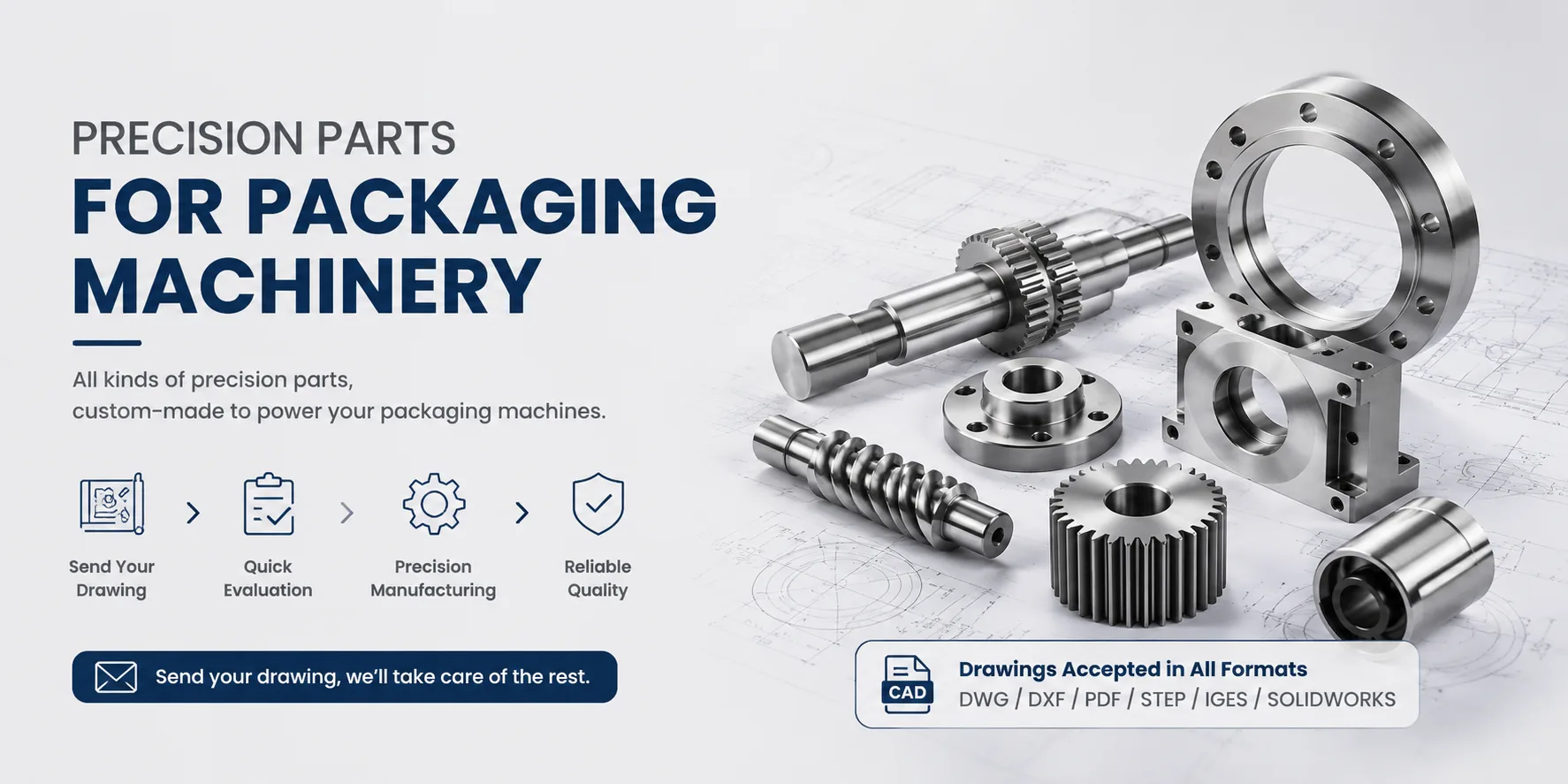
Hansheng Automation provides precision custom machining for non-standard pipe fittings, custom flanges, and high-pressure manifold blocks according to client engineering prints, ensuring tight dimensional tolerances and leak-tight joint integrity.
Flow Control Valves: Mechanical devices that manage fluid behavior across the network, including gate and ball valves for positive line isolation, globes and throttling valves for flow modulation, as well as swing check valves and pilot-operated relief valves.
4. Control, Telemetry, and Inline Inspection Equipment
SCADA Platform: Supervisory Control and Data Acquisition architectures provide real-time telemetry, remote actuator operation, line-pack calculation, and leak detection algorithms across geographically dispersed pipeline routes.
Process Instrumentation: Inline measurement devices-including piezoresistive pressure transmitters, resistance temperature detectors (RTDs), Coriolis mass flow meters, ultrasonic meters, and hydrostatic level sensors-transmitting continuous operational parameters.
We also supply precision-machined instrument manifolds, thermowells, and custom metering spools to support accurate sensor integration under demanding process conditions.
PIG Launchers and Receivers: Pressure-rated barrel stations designed to launch and retrieve Pipeline Inspection Gauges (PIGs) for mechanical bore swabbing, chemical batch separation, and intelligent in-line inspection (ILI) via magnetic flux leakage or ultrasonic logging.
5. Auxiliary and Integrity Systems
Pumping and Compressor Stations: Strategically spaced intermediate facilities that restore line pressure and maintain the hydraulic gradient across long-distance transit.
Thermal Management Systems: Fired tube heaters, shell-and-tube heat exchangers, or heating tape jackets employed to elevate fluid temperatures, maintaining flowability in high-pour-point oils and inhibiting hydrate formation in natural gas streams.
Overpressure Protection Systems: Safety relief valves, rupture disc assemblies, and thermal expansion bypasses engineered for rapid pressure dumping during hydraulic surge or valve closure events.
Cathodic Protection (CP): Corrosion control networks deploying impressed current cathodic protection (ICCP) systems or sacrificial galvanic anodes to shield external surfaces of buried and submerged metallic pipe from electrochemical decay.