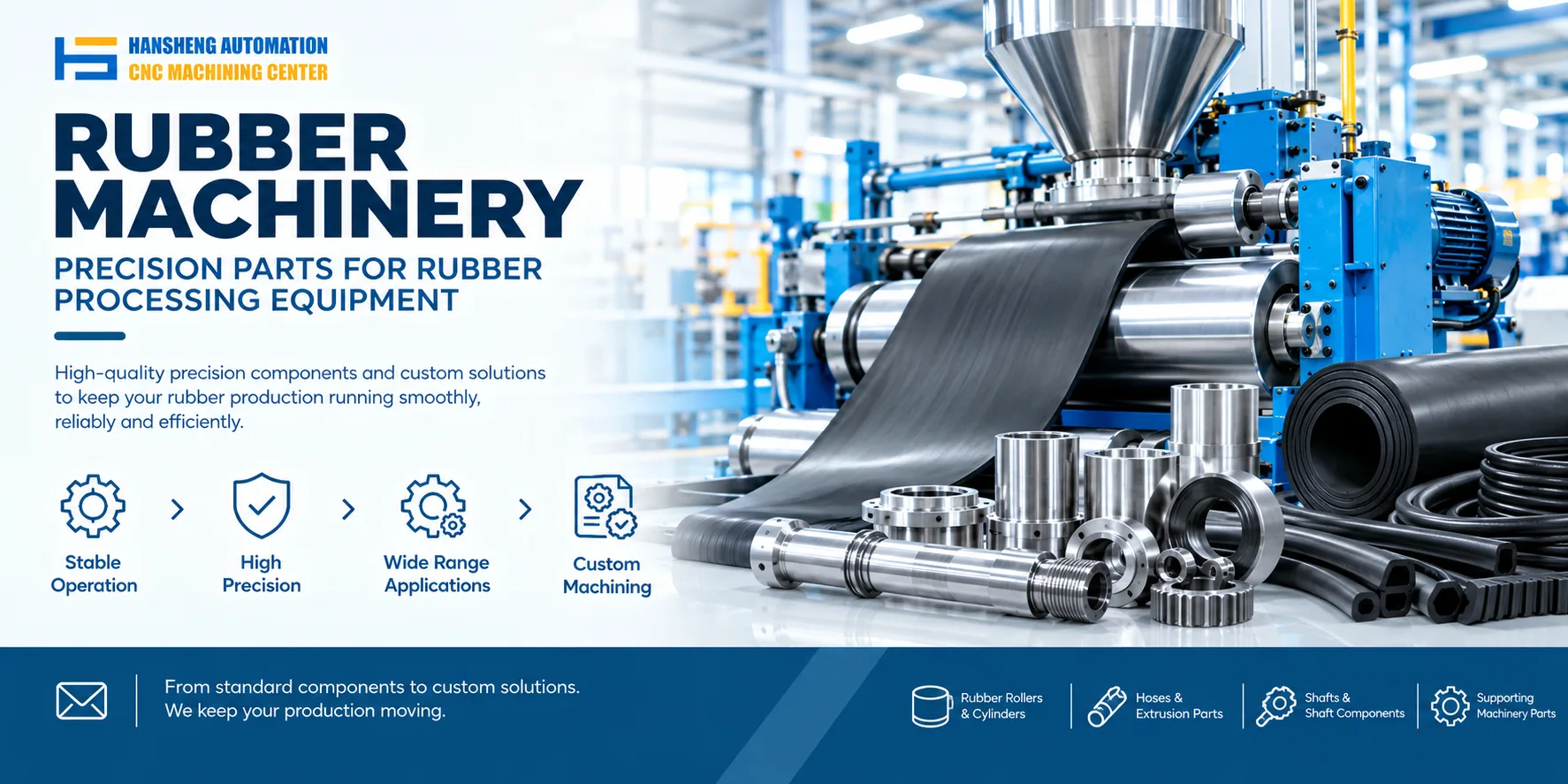
Surface treatment of internal mixer rotors should address wear resistance, material adhesion, and service life. The process requires control over surface preparation, coating selection, application conditions, and subsequent maintenance.
1. Surface preparation
Before applying a coating, remove oil, rust, oxide scale, and any existing coating from the rotor surface. Abrasive blasting or shot blasting can be used for surface preparation. Angular steel grit or quartz sand is recommended in the supplied reference, with a target surface roughness of Ra 3.2 to Ra 6.3 μm to support coating adhesion.
Complete the spraying operation within four hours after surface preparation to reduce the risk of reoxidation and rust formation.
If the rotor has cracks, worn areas, or surface depressions, repair the damage by weld restoration and grinding where appropriate. The surface should meet the required flatness and dimensional specifications before coating begins.
2. Coating selection
The coating should match the rubber compound, operating temperature, and wear conditions.
For general rubber mixing, nickel based alloy spray coatings or ceramic composite coatings are recommended in the source material. These coatings are described as offering better wear resistance than conventional hard chrome plating, with a potential service life three to five times longer.
For compounds containing hard fillers, such as carbon black or calcium carbonate, a high hardness ceramic coating may be suitable. The reference specifies a hardness of at least HV 1000.
For food grade or medical grade rubber production, the source recommends coatings that comply with GB 4806 requirements to reduce the risk of heavy metal migration. The applicable standard and coating suitability should be confirmed for the specific application.
Ordinary, unmodified paint should not be used directly on rotor surfaces exposed to the high temperatures and friction associated with internal mixing. Such coatings may not withstand these operating conditions.
3. Control of the coating process
During arc spraying or flame spraying, control the spraying conditions to prevent excessive heating and distortion of the rotor substrate. The reference recommends keeping the substrate temperature below 200°C.
Coating thickness should be selected according to the operating conditions. The supplied reference gives the following ranges:
|
Operating condition |
Recommended coating thickness |
|---|---|
|
General mixing |
0.3 to 0.5 mm |
|
High wear conditions |
0.8 to 1.0 mm |
Excessive coating thickness can increase the risk of cracking or detachment. The appropriate thickness should therefore be determined according to the coating system and the rotor's operating requirements.
After spraying, apply a suitable sealing treatment to fill coating pores. The sealing agent should be compatible with the coating material. Proper sealing can improve corrosion resistance and reduce material adhesion to the treated surface.
4. Quality inspection and maintenance
After coating, use a coating thickness gauge to check the coating thickness and a surface roughness tester to verify the surface finish. Areas that fail to meet the specified requirements should be assessed for grinding, recoating, or other corrective work.
During routine operation, inspect the rotor for coating blistering, peeling, and visible wear. Localized damage may be suitable for spot repair, while extensive coating failure may require the rotor to be recoated.
Avoid removing adhered rubber with steel brushes or hard scrapers, which can scratch the coating. Copper tools or cleaning agents specifically intended for removing rubber residues are preferable when compatible with the coating system.
5. Safety precautions
Carry out abrasive blasting and spraying in an appropriately enclosed and ventilated work area. Operators should wear suitable respiratory protection, safety goggles, and protective gloves to reduce exposure to metal dust and solvent vapors.
Keep high temperature spraying operations away from flammable and explosive materials. Suitable fire extinguishing equipment should be available in the work area.
6. Custom machining for precision mechanical components
Surface treatment is only one part of maintaining industrial machinery. Worn rotors and related components may also require dimensional inspection, machining, or replacement, depending on the extent of the damage.
Hansheng Automation provides custom machining assessments for precision metal components based on customer drawings and technical requirements. Our machining services also cover non-standard parts for tobacco packaging machinery, filling equipment, and other industrial machinery, along with precision components for yacht equipment and RC racing cars. Customers can submit drawings and dimensional specifications for an assessment of the manufacturing process.