A die-cutting and lamination integrated machine is an automated production system that combines unwinding, die-cutting, stacking, and winding functions. Its core role is to cut continuous electrode sheets into specified dimensions and then stack them precisely, most commonly in lithium battery cell production.
1. Overall Machine Structure
1.1 Unwinding Unit
The unwinding unit stably feeds coiled raw material, typically positive or negative electrode sheets for lithium batteries. It includes a tension control system and guide rollers. By adjusting tension, the material is prevented from becoming loose or deformed, ensuring uniform and accurate feeding for subsequent processes.
1.2 Die-Cutting Unit
This is the core cutting module, consisting of custom cutting dies, high-precision cutting tools, and a drive system. It cuts the continuously fed electrode sheet into individual pieces according to preset product dimensions. Common cutting accuracy can reach within ±0.1 mm, helping avoid burrs and irregular cutting edges.
1.3 Stacking Unit
The stacking unit completes the lamination process. It is generally equipped with mechanical gripping arms and positioning sensors. The cut positive and negative electrode sheets are alternately stacked in the designed sequence. A vision positioning system ensures alignment accuracy, reducing the risk of internal short circuits in the cell.
1.4 Winding and Discharge Unit
For semi-finished products that do not need to proceed immediately to the next process, the winding unit rolls and packs the stacked electrode groups. Some machine models can also transfer finished products directly to the next production station. Certain configurations include a waste winding device to handle edge trim produced during cutting.
2. Complete Workflow Principle
2.1 Material Feeding Stage
The unwinding unit starts, and the electrode sheet passes through guide rollers into the feeding channel. The tension system monitors and adjusts the feeding speed in real time, ensuring that the material enters the die-cutting area smoothly.
2.2 Precision Die-Cutting Stage
When the electrode sheet reaches the die-cutting station, the drive system moves the cutting tool according to the die shape to complete the cut. Some high-speed models are equipped with CCD visual inspection to detect cutting defects in real time and automatically reject non-conforming pieces.
2.3 Ordered Stacking Stage
The cut electrode sheets are transferred to the stacking station. The robotic arm picks up the sheets according to the preset program and stacks them in the order of positive electrode, separator, negative electrode, separator. Positioning sensors calibrate the sheet position in real time to maintain stacking pitch and alignment accuracy.
2.4 Finishing Stage
The completed semi-finished cell is either wound and packaged for storage or directly transferred to the cell assembly process. Cutting waste is collected and handled simultaneously.
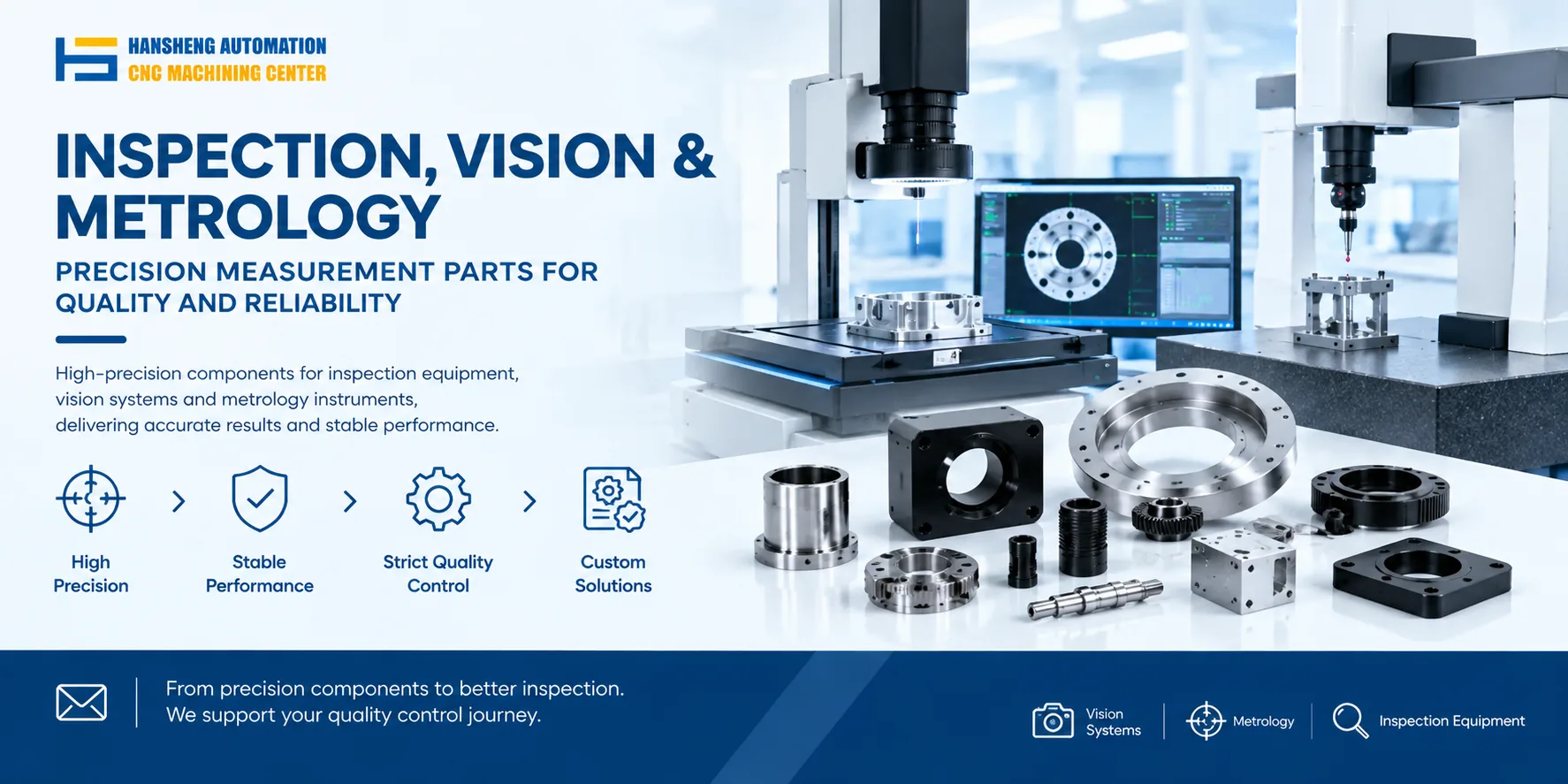
For precision-machined cutting dies, stacking fixtures, guide rollers, or non-standard components used in die-cutting and lamination integrated machines, Hansheng Automation provides custom machining services based on customer drawings.