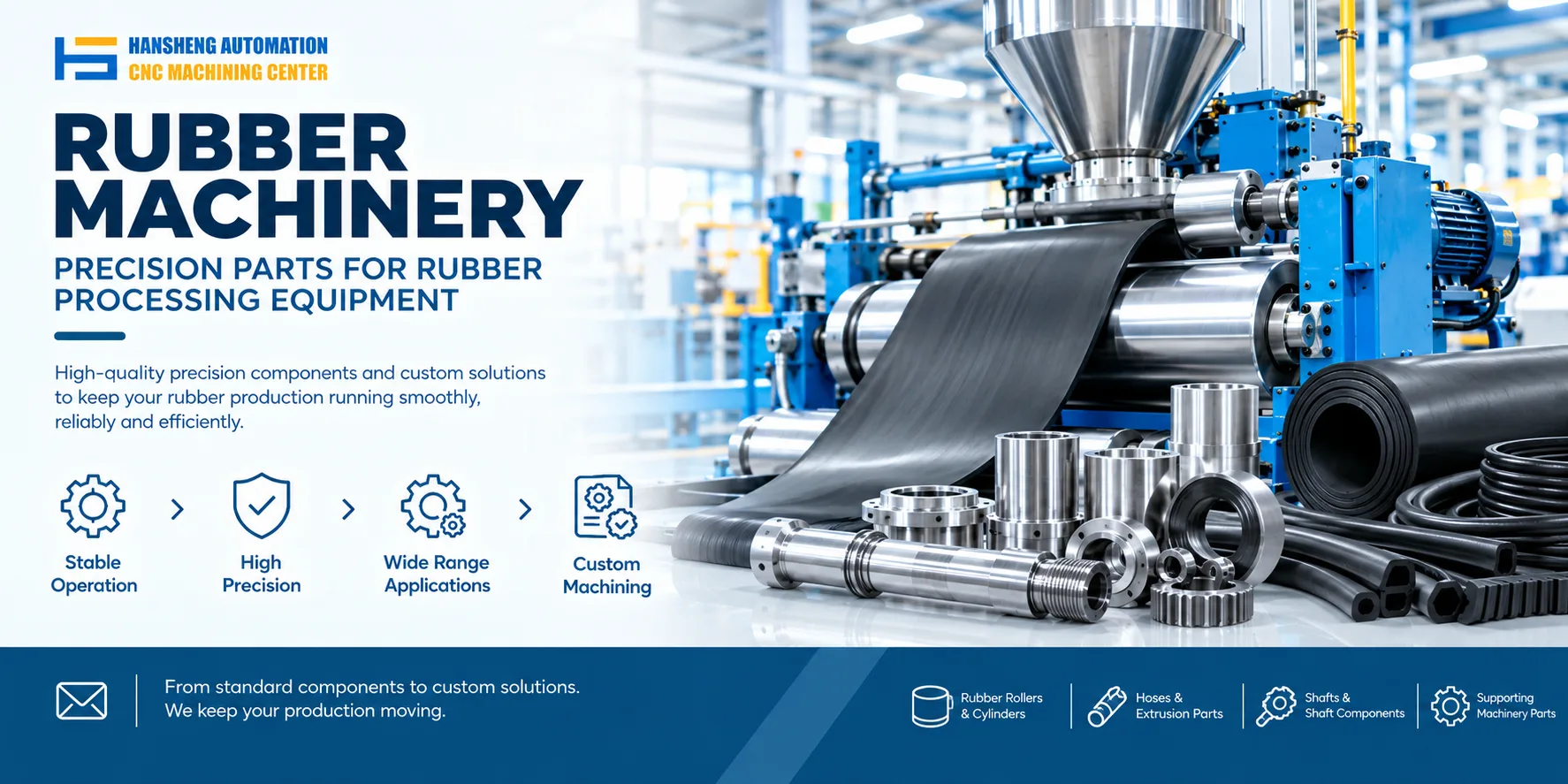
Delamination may occur when a rubber extruder stops unexpectedly and then resumes production. Temperature differences, pressure fluctuations, and rubber compound left inside the machine can affect plasticization and bonding between layers. Resolving the problem requires checking the process parameters, cleaning the equipment where necessary, and verifying the condition of the raw material.
1. Adjust the extrusion process parameters
Temperature control
Check the temperature control system in each section of the extruder to ensure that the temperature distribution is uniform. The supplied reference recommends keeping the die head temperature 5 to 10°C below the barrel temperature to reduce uneven plasticization caused by temperature differences.
Pressure and screw speed
After restarting the machine, gradually increase the die head pressure to the normal operating range. The reference gives a typical pressure range of 15 to 25 MPa.
Reducing the screw speed to approximately 70% of its normal value may give the rubber compound more time to fuse properly. Monitor the extrusion condition and adjust the parameters according to the compound and equipment requirements.
Extrusion speed
Set the initial extrusion speed to approximately 50% to 60% of the normal production speed. Once the output and bonding between layers become stable, increase the speed gradually.
2. Inspect and clean the equipment
Clean the screw and barrel
Rubber remaining inside the extruder during an unexpected shutdown may affect the quality of the next production run. Inspect the screw and barrel for residual compound and material buildup.
Where cleaning requires screw removal, follow the equipment manufacturer's maintenance procedure. The supplied reference recommends using a specialized cleaning compound, such as a terpolymer cleaning compound, at a processing temperature of 150 to 180°C to remove residual rubber. Confirm that the cleaning material and temperature are suitable for the specific extruder before proceeding.
Replace a blocked screen pack
Inspect the filter screen for blockage and replace it if necessary. The reference gives a screen mesh range of 80 to 120 mesh, with the selection depending on the rubber compound.
A clean screen helps maintain stable flow and pressure during extrusion.
Inspect the die
Check the die flow channels for residue, surface damage, and wear. The reference specifies a flow channel surface roughness of Ra ≤0.2 μm.
If wear along the mold parting line exceeds 0.1 mm, repair or replacement should be considered. The die surface and parting line should meet the requirements for the specific product to help maintain consistent material flow and bonding.
3. Check the rubber compound
Verify mixing uniformity
Rubber compound retained inside the extruder during a shutdown may have different processing characteristics from fresh material. The source recommends remixing the material remaining from the shutdown with fresh compound at a ratio of 1:3.
Check additive dispersion during the mixing process. For carbon black filled compounds, the supplied reference specifies a carbon black dispersion level of at least 90%.
Measure moisture content
Use a moisture meter to check the raw material. According to the reference, material with a moisture content above 0.3% should be dried at 70 to 80°C for two hours.
The drying conditions should be compatible with the compound formulation and the material supplier's recommendations.
Check Mooney viscosity
Review the Mooney viscosity of the rubber compound and compare it with the established production specification. The source identifies a fluctuation exceeding ±5 as a condition requiring attention.
If the variation exceeds this limit, review the formulation or consider changing the material batch. Changes should be based on the compound's specification and the requirements of the finished product.
4. Prevent delamination after future shutdowns
Several measures can reduce the likelihood of delamination when the extruder stops unexpectedly.
Install an uninterruptible power supply (UPS) where appropriate to reduce the risk of sudden power interruption. Check and calibrate the temperature control modules once a month, and establish a standard operating procedure for planned shutdowns.
The supplied reference gives cooling the machine to 80°C before shutdown as an example. The actual shutdown sequence and temperature should follow the extruder manufacturer's instructions and the requirements of the rubber compound.
After any unexpected shutdown, check the temperature profile, pressure, screw condition, and material remaining in the machine before returning to normal production.
5. Custom machining for rubber extrusion equipment
Delamination troubleshooting may reveal worn or damaged mechanical components that require repair or replacement. Hansheng Automation can assess custom machining for suitable metal components based on customer drawings, dimensional requirements, and material specifications.
Our precision machining services also cover non-standard components for packaging machinery, filling equipment, and tobacco machinery. We can assess custom parts for yacht equipment and RC racing cars according to the supplied drawings and machining requirements.