When the filling volume of an ointment filling and sealing machine needs to be increased, the filling parameters and dosing mechanism should be adjusted gradually. Test filling and weighing should then be used to verify whether the target volume has been achieved.
1. Prepare Empty Tubes and Material
First, place the empty tubes neatly into the tube hopper to ensure smooth tube feeding.
Then, add the ointment or cream to the material hopper and check that the material condition meets the production requirements.
2. Check Lubrication and Air Supply
Before starting the machine, apply an appropriate amount of lubricant to moving components such as guide rods in the transmission mechanism to reduce friction and wear.
At the same time, check whether the compressed-air supply is stable and confirm that the pressure meets the machine requirements before opening the air circuit.
3. Turn on the Power and Set Parameters
Switch on the main power and release the safety lock. After the machine is powered on, the PLC controller will enter the operation interface.
Open the relevant parameter settings and adjust the filling volume, operating speed, and other applicable parameters according to the product specification.
When increasing the filling volume, the parameters should be adjusted gradually within the permitted range of the dosing system rather than being changed significantly at once.
4. Check the Operating Status of Each System
Before starting production, inspect the tube-feeding, filling, transmission, and tube-sealing systems to ensure that the mechanical components operate smoothly, the air supply is stable, and the material supply is sufficient.
According to the new target filling volume, adjust the relevant operating parameters so that the dosing stroke and material delivery correspond to the required filling volume.
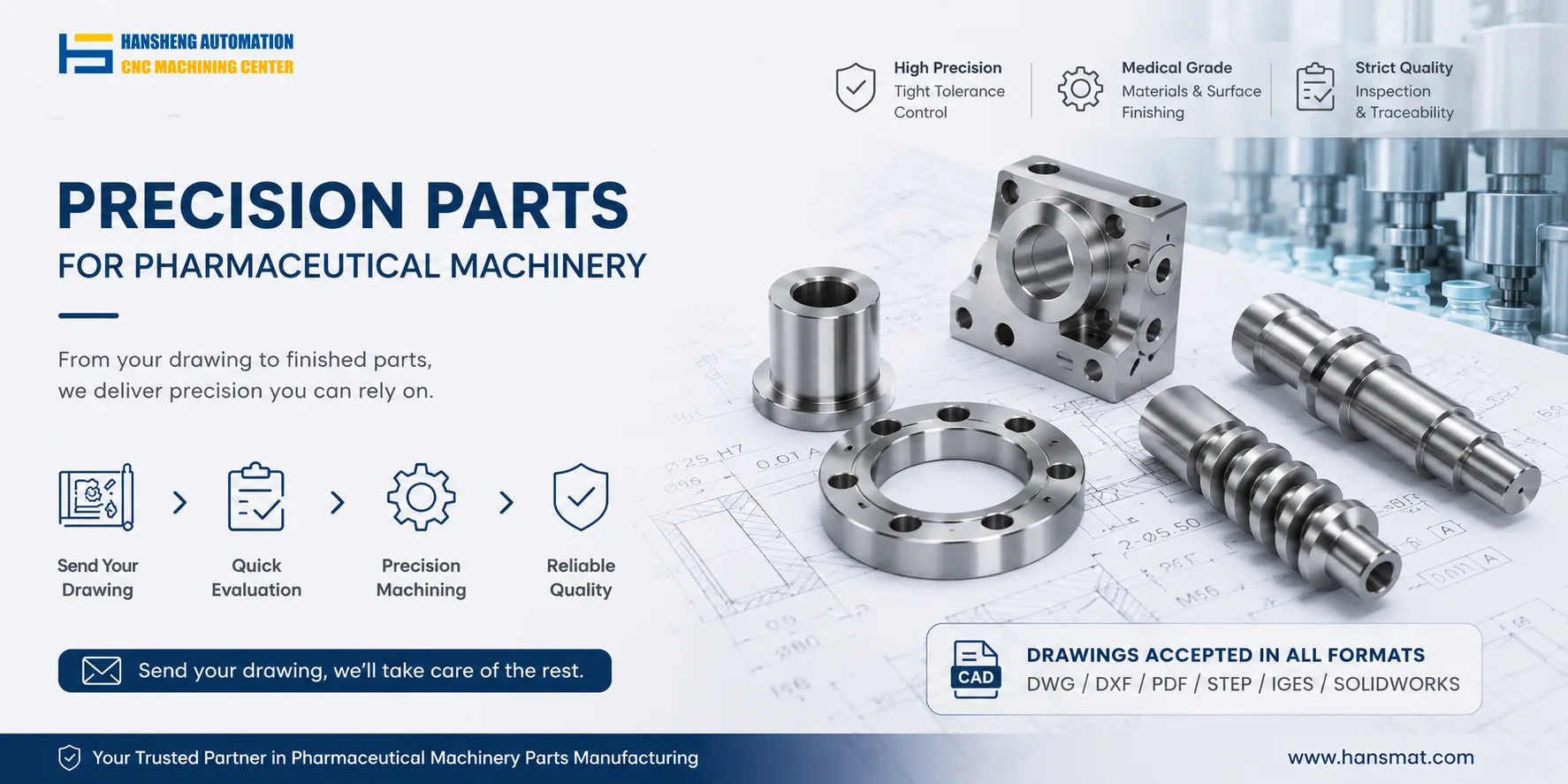
For non-standard components such as filling pistons, dosing cylinders, and guide components, we can provide custom precision machining based on customer drawings to meet different filling-volume requirements and equipment configurations.
5. Perform Trial Feeding and Adjust the Filling Volume
Press the "Tube Feeding" button to move an empty tube into the filling station.
Use jog operation for trial filling and measure the actual filling volume of each tube.
If the filling volume does not reach the target, gradually adjust the relevant filling parameters according to the machine structure. Confirm the actual weighing results before continuing production.
Avoid making large adjustments at one time, as excessive filling may affect product consistency and sealing performance.
6. Start Normal Operation
After confirming that the trial filling volume meets the requirements and that the feeding, filling, and sealing mechanisms operate normally, press the main start button to begin continuous production.
During operation, regularly check the filling volume, product appearance, and tube-sealing quality. If abnormal filling variation or sealing problems occur, stop the machine and inspect the filling parameters and related mechanical components.
Important Considerations
Increasing the filling volume is not simply a matter of increasing machine speed. The dosing mechanism and control parameters should be adjusted according to the target filling volume, machine structure, material characteristics, and product specifications.
For components that require replacement or modification, Hansheng Automation can manufacture custom precision parts based on customer 2D or 3D drawings, including filling pistons, dosing components, guide shafts, bushings, mounting brackets, and other non-standard mechanical components.