Improving fill accuracy on a pneumatic filling machine comes down to four areas: mechanical structure, the air system, control logic, and the operating environment. The changes below cover hardware, parameter settings, and maintenance.
1. Mechanical structure
Replace the fill valve. Use a ceramic valve core with servo-driven positioning instead of a traditional rubber-seal valve. This reduces drip and fill volume error from valve core wear. It fits high-accuracy food and medical filling. Fill error can stay within ±0.5 percent.
Adjust the nozzle. Add a dispensing-style nozzle with anti-string and anti-drip features. For high-viscosity product, add a heated jacket to prevent wall buildup. For low-viscosity product, use a side-entry nozzle to reduce surface impact and lower foam that can cause volume misjudgment.
Reinforce container positioning. Add photoelectric locating stops and replace linear guide sliders. Keep container position at the fill station within ±0.1 mm. This prevents nozzle and container mouth misalignment and spillage.
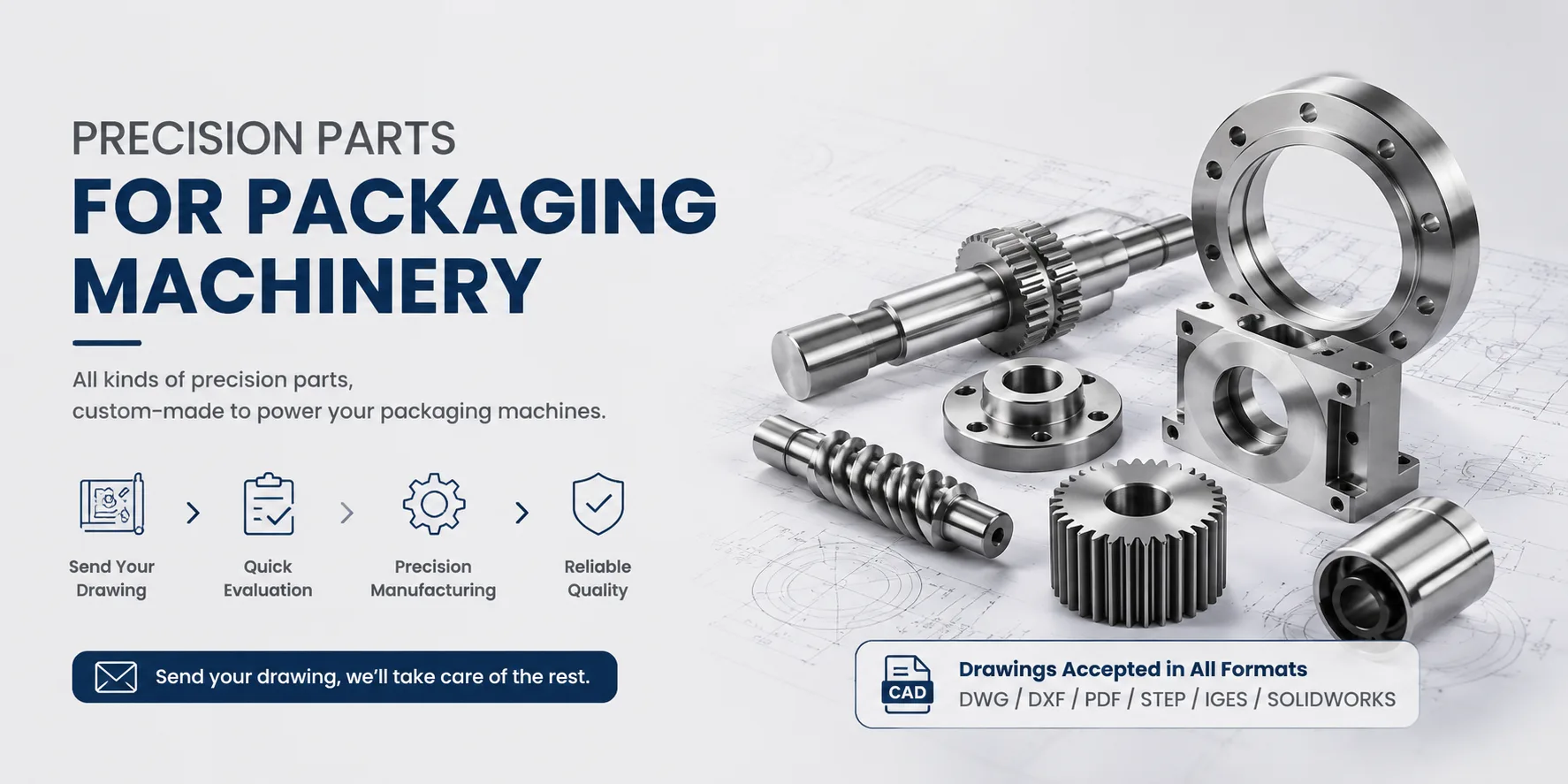
When a fill valve, nozzle, or locating part wears out, Hansheng Automation can machine a replacement from customer drawings. We match material, tolerance, and surface treatment to the product and working conditions.
2. Air system tuning
Stabilize supply pressure. Install a high-accuracy pressure regulator (accuracy class 0.1) and a surge tank at the inlet. Keep supply pressure fluctuation within ±0.02 MPa. This prevents air pressure changes from affecting piston speed in the fill cylinder.
Improve air line layout. Use larger inner diameter tubing to reduce pressure loss. Add a filter, regulator, and lubricator unit. Drain water from the air line at regular intervals. Keep pneumatic component response delay at or below 0.01 s.
Adjust fill timing. Set the open and close time of the inlet and exhaust solenoid valves to match product flow. For low-viscosity product, shorten inlet time and add exhaust buffer time. This prevents overfill from residual pressure after the fill ends.
3. Control logic upgrades
Add closed-loop feedback. Install a displacement sensor on the fill cylinder piston rod. Use a PLC for closed-loop control. Correct piston advance error. Single fill adjustment accuracy can reach 0.1 mL.
Add a weight check module. Install a high-accuracy load cell at the end of the conveyor. Sample filled containers online. Feed error data back to the control system. Correct the next fill piston parameter automatically.
Use a recipe library. Enter preset fill parameters for different product densities and viscosities. Call the recipe when product changes. This avoids manual adjustment error.
4. Maintenance and environment
Regular maintenance and calibration. Check fill valve seals weekly. Calibrate fill accuracy with a standard measuring cup monthly. Replace aged pneumatic seals and air tubing yearly.
Control the workshop environment. Put the filler in a temperature-controlled room at 18 to 25 C. This avoids accuracy drift from thermal expansion and contraction of pneumatic parts. Keep dust and moisture out of the air line to prevent component sticking.
Standardize operation. Have operators drain water from the air line before startup. Check container positioning before filling. This prevents accuracy error from manual operation.