Belt slippage or misalignment in a folder-gluer system directly reduces packaging line efficiency. For machines with gravity-weight tensioning, gradually increase the counterweight until the belt transmits power normally; avoid excessive weight that shortens belt life. For screw or hydraulic tensioners, first extend the tensioning stroke to raise belt tension. If the stroke is already fully used and the belt has permanent elongation, cut out the deformed section and re-splice it by vulcanization. Nylon and EP belts require longer tensioning travel; when travel is insufficient, re-splice or lengthen the stroke.
Misalignment usually occurs when the drive pulley at the head or the tail bend pulley is not square to the conveyor centerline. Uneven tension across the belt width creates a lateral force that drives the belt toward the loose side. Correct by adjusting the bearing-housing bolts: if the belt runs to the right at the head pulley, move the right-hand housing forward or the left-hand housing backward; reverse the direction for left-side tracking. Tail-pulley adjustments are opposite to those of the head pulley. Simultaneously check idler alignment, frame levelness, and material loading position to restore overall tracking.
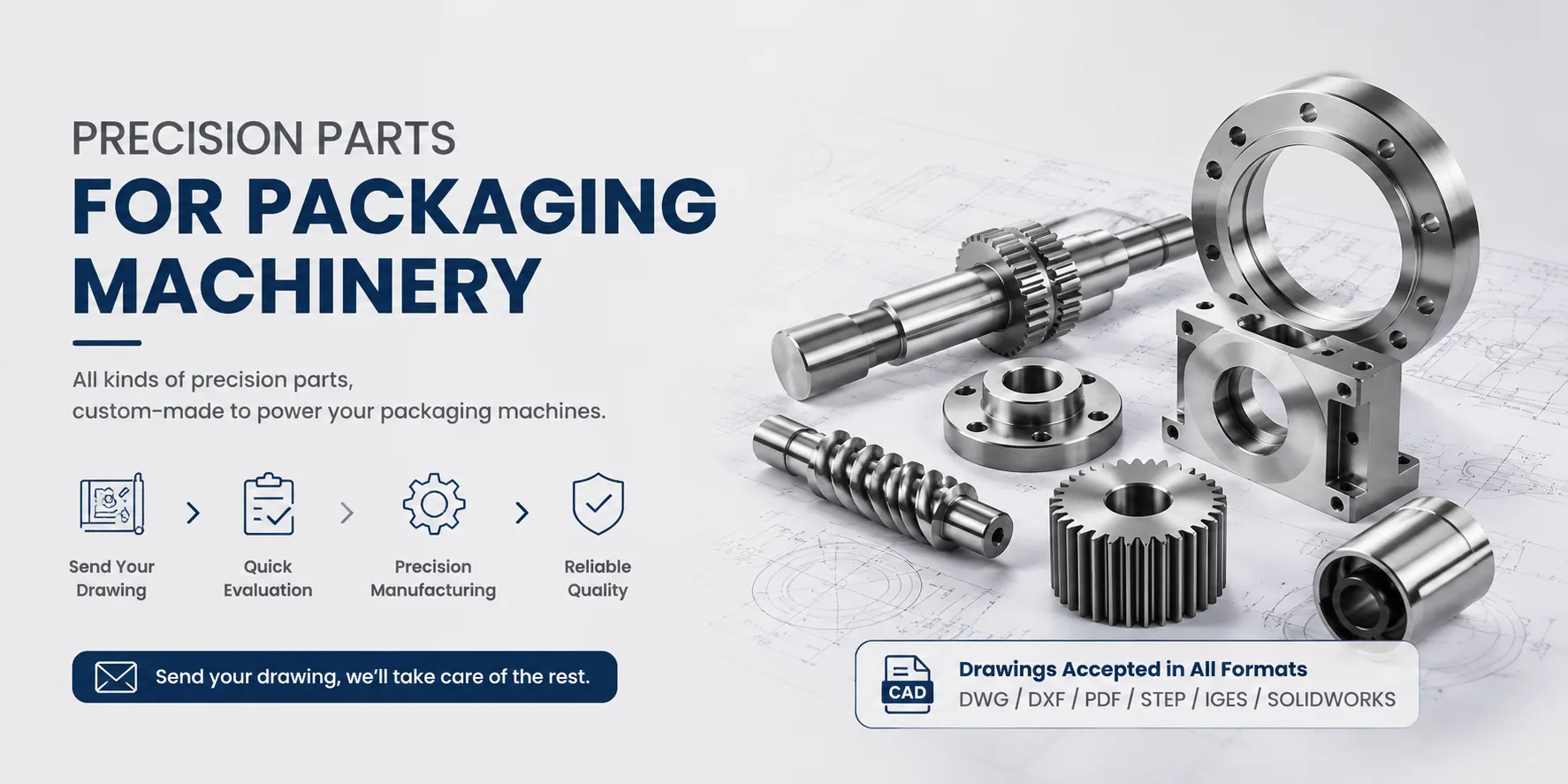
When tensioners, pulleys, or bearing housings are worn, deformed, or need to match special operating conditions, custom precision machining of non-standard pulleys, special tensioning components, and related parts is available from customer drawings. Materials include carbon steel, stainless steel, or wear-resistant alloys; tolerances and surface treatments (hard-chrome plating, sand-blasting, anti-slip coatings, etc.) follow the supplied drawings exactly, enabling rapid response to maintenance and retrofit needs.