A plate-and-frame filter press is a batch filtration machine used for solid-liquid separation of suspensions. It is widely used in pharmaceutical production, mineral processing, petrochemical operations, environmental engineering, fermentation, and brewing.
The machine uses a hydraulic closing system to clamp the filter plates and frames together, forming enclosed filtration chambers. A feed pump then delivers the slurry into the chambers. Under pressure, the liquid passes through the filter cloth and is discharged, while solid particles remain inside the chambers and form filter cakes. After filtration, the plates are separated and the cakes are discharged before the next cycle begins.
Understanding the operating sequence and maintenance requirements helps reduce unplanned downtime, maintain filtration performance, and extend the service life of filter plates, filter cloths, and hydraulic components.
Working Principle of a Plate-and-Frame Filter Press
A plate-and-frame filter press typically consists of a frame, filter plates and frames, filter cloths, a hydraulic closing system, feed and filtrate piping, and an electrical control system. Automatic models may also include a PLC control system, an automatic plate-shifting device, and auxiliary cleaning equipment.
The operating cycle consists of the following stages.
Plate closing
After startup, the hydraulic system is activated according to the operating procedure. The hydraulic cylinder moves the closing plate along the main beams, pressing the filter plates and frames together.
Once the plates and frames are clamped, enclosed filtration chambers are formed. When the hydraulic system reaches the specified closing pressure, the closing movement stops and the system enters the pressure-holding stage.
On machines equipped with automatic pressure compensation, the hydraulic pump can restart when the closing pressure falls below the preset lower limit. This maintains the clamping force required for filtration.
Feed and filtration
After the plate pack is closed, the feed pump delivers the slurry into the filter chambers through the feed channels.
Feed pressure forces the liquid through the filter cloth. The filtrate then passes through the drainage grooves and outlet ports in the plates. Solid particles are retained by the cloth and gradually accumulate inside the chambers to form filter cakes.
As filtration continues, the cake becomes thicker and filtration resistance increases. The feed flow rate generally decreases as the chambers fill. Operators should monitor feed pressure and filtrate flow to keep the equipment within its rated operating range.
If the filtrate remains unusually cloudy, inspect the filter cloth for damage or improper installation and check whether the filtration medium is suitable for the material. Cloudy filtrate should not be treated as a normal indication that filtration is complete.
Filtration completion and cake discharge
When the filtrate flow falls to the specified range, the required filtration pressure is reached, or the preset cycle time and process requirements are satisfied, the feed pump is stopped.
Depending on the equipment configuration and process requirements, residual slurry may be drained or the feed channels may be cleared using an air-blowing system. Once the pressure on the feed side has been released, the hydraulic closing force can be removed according to the operating procedure, allowing the closing plate to retract.
The filter plates are then separated manually or by an automatic plate-shifting system, and the filter cakes are discharged from the chambers. After discharge, inspect the filter cloths and plates, remove residual material, and confirm that the plates are correctly arranged and the cloths are ready for the next cycle.
Hydraulic pressure holding and automatic compensation
During plate closing and filtration, the hydraulic system must maintain sufficient clamping force to prevent filtrate or slurry leakage between the plates.
Some automatic filter presses use pressure sensors or electrical contact pressure gauges to monitor hydraulic pressure. When the pressure falls below the preset lower limit, the hydraulic pump starts automatically to restore the pressure. The pump stops when the upper pressure limit is reached.
Automatic pressure compensation mainly applies while the plate pack is clamped and filtration is in progress. Before cake discharge, the closing force must be released according to the operating procedure. Pressure holding should not be treated as a function that remains active throughout the entire operating cycle.
Routine Maintenance of a Plate-and-Frame Filter Press
A proper maintenance plan helps prevent filter cloth blinding, plate damage, and hydraulic system failures. Routine inspections should cover the filtration components, hydraulic system, frame, electrical controls, and auxiliary piping.
Operating records and fault reporting
Record the feed pressure, filtration time, filtrate condition, cake discharge results, and any abnormal operating conditions for each cycle.
If the equipment shows abnormal pressure, cloudy filtrate, leakage between plates, a significant reduction in feed rate, or unusual hydraulic noise, stop the affected operation and investigate the cause. Do not continue running the machine with unresolved faults.
Keeping operating records also makes it easier to compare filtration performance between batches and identify changes in filter cloth condition or operating parameters.
Equipment cleaning
After each cake discharge, remove residual material from the filter plates, sealing surfaces, feed channels, and filtrate outlets. This prevents sludge from drying on the surfaces and solid particles from accumulating in the passages.
Filter cloths should be cleaned according to the sludge properties and actual operating conditions. Use a cleaning method suitable for the cloth material and control the washing pressure to avoid damaging the fibers or enlarging existing tears.
Clean residual material from the main beams, guide rails, and plate-shifting mechanism to keep the moving components operating properly.
Inspection of filter plates and filter cloths
Inspect the filter plates regularly for cracks, deformation, scratches, and damage to the sealing surfaces. Remove accumulated solids from the plates to prevent interference with plate closing.
Check the filter cloths for tears, aging, blinding, wrinkles, and incorrect positioning. Replace cloths when they show significant wear or can no longer provide the required permeability.
Also check that the feed openings in the cloths are aligned with those in the filter plates. Misalignment can restrict slurry flow or cause localized blockages.
Hydraulic system maintenance
Check the hydraulic oil level and condition regularly. Make sure the oil is free from obvious contamination or deterioration. Oil replacement and replenishment should follow the grade specifications and maintenance intervals provided by the equipment manufacturer.
Inspect the hydraulic pump, cylinder, hose connections, and control valves for oil leakage, abnormal vibration, and pressure fluctuations.
On machines with automatic pressure compensation, also check the pressure gauge, pressure sensors, and compensation control mechanism to confirm that the hydraulic system operates within the specified pressure range.
Inspection of fasteners and the frame
Inspect the main beams, support structures, filter plate guides, and connecting bolts regularly. Check for loose fasteners, cracks, and abnormal deformation.
On machines equipped with an automatic plate-shifting system, inspect the drive chains, sprockets, plate-shifting carriage, and guide rails for wear. Lubricate the components and adjust chain tension according to the manufacturer's instructions.
If the main beams are deformed, the plates are incorrectly aligned, or connecting components show significant damage, stop the machine and carry out the required repairs before resuming operation.
Cleaning and lubrication of moving components
Clean and lubricate guide rails, chains, bearings, and other moving components according to the lubrication points and intervals specified in the equipment manual.
Remove old grease, dust, and sludge deposits before applying new lubricant. Use products suitable for the equipment. Excess lubricant should be avoided, as it may contaminate nearby filter cloths and other components.
Filter plate removal and storage
Before removing or replacing filter plates, stop the machine and release the hydraulic closing force according to the safety procedure.
Removed plates should be stored and supported in the manner specified by the manufacturer. Avoid uneven loading, unsupported areas, or improper stacking that may cause deformation. For long-term storage, protect the plates from moisture, sunlight, and corrosive substances.
Filter cloths should be stored separately under suitable conditions to prevent fiber aging caused by prolonged exposure to sunlight, excessive heat, or incompatible chemicals.
Pre-Startup Inspection of a Plate-and-Frame Filter Press
Before starting the equipment, check the following components and systems:
Piping and valves: Inspect the feed and filtrate lines and their connections for blockages, leaks, and loose fittings. Confirm that all valves are in the correct operating positions.
Filter plates and cloths: Check that the plates are aligned, sealing surfaces are clean, filter cloths are flat and undamaged, and feed openings are properly aligned.
Feed pump: Inspect the pump body, drive motor, and inlet and outlet piping. Confirm that the pump can supply slurry normally without abnormal noise or leakage.
Hydraulic pump: Check the hydraulic oil level, oil condition, hose connections, and pump operation. Confirm the motor rotation direction according to the equipment markings and manufacturer's instructions. Clockwise or counterclockwise rotation should not be treated as a universal requirement for every model.
Frame and safety devices: Inspect the main beams, fasteners, plate-shifting mechanism, and travel limit devices for looseness, damage, or obstructions.
Electrical control system: Check the power supply, control cabinet, operating buttons, sensors, and safety interlocks to make sure the control system is functioning correctly.
Maintenance Precautions
Before servicing the equipment, stop the machine and isolate the main power supply to prevent accidental startup. When working on the hydraulic system, release the hydraulic pressure and confirm that no residual pressure remains before removing hoses, valves, or cylinder components.
Never insert hands between the filter plates to clean filter cloths or remove residue while the plates are moving. If abnormal pressure, vibration, pipeline leakage, or structural deformation occurs, stop the equipment and identify the cause before restarting production.
For critical components such as filter plates, hydraulic systems, and electrical controls, establish maintenance intervals according to the specific equipment manual. A general inspection schedule should not replace the manufacturer's requirements.
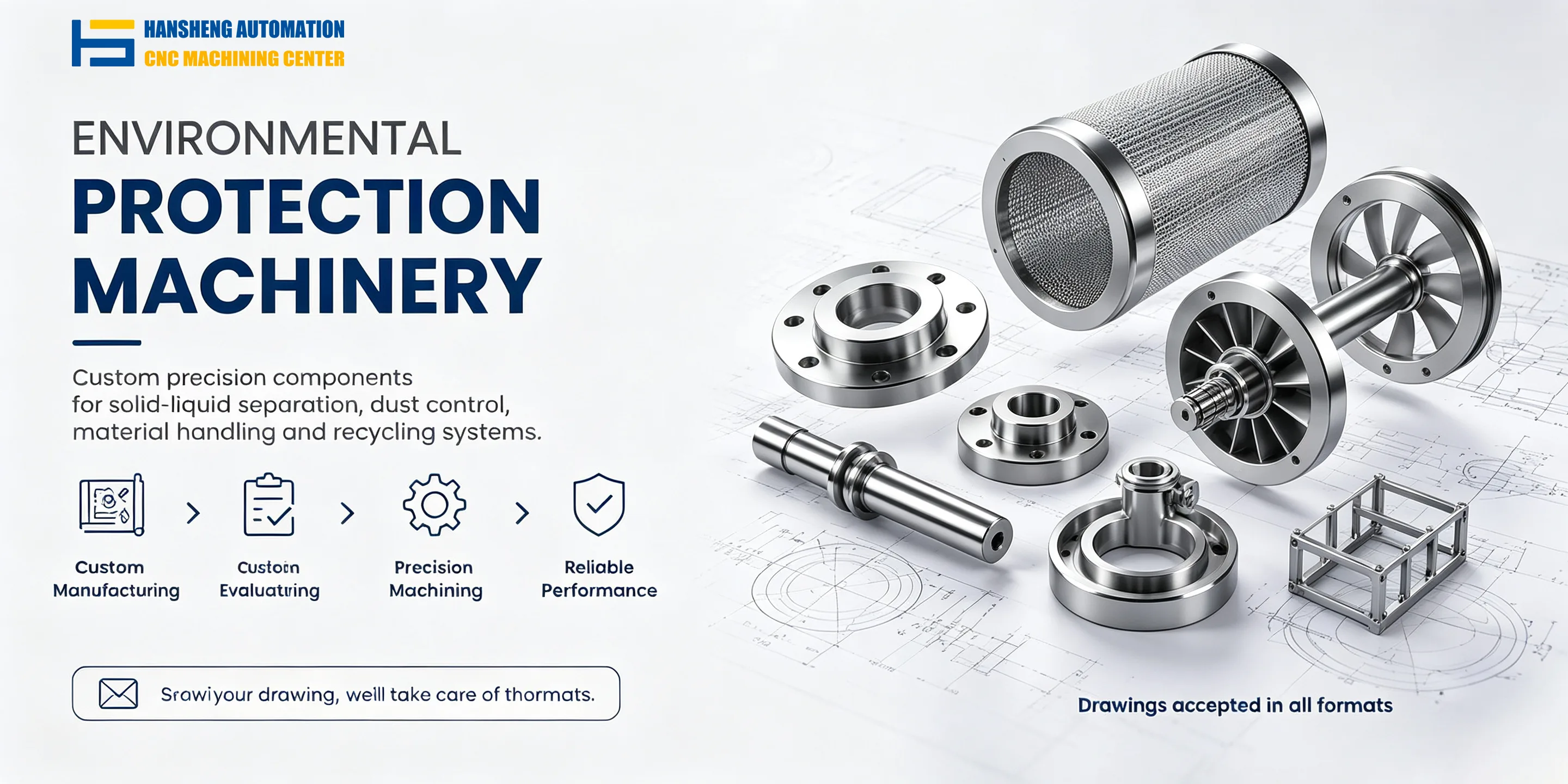
In addition to structural components used in plate-and-frame filter presses, our precision machining services cover several manufacturing industries. Hansheng Automation manufactures custom components according to customer-supplied drawings, including functional parts for filling and tobacco packaging machinery, precision yacht equipment components, and structural parts for remote-control racing cars. Both single-piece and small-batch custom machining are supported.