Automatic strapping machines wrap and bundle goods on packaging and logistics lines. They run a repeated cycle: detect the package, feed and tension the strap, seal and cut it, then clear the waste. When the cycle stops, the cause usually sits in the strap, the clamp or arm, a sensor, or the motor.
Working principle
Package detection
Sensors find the package and its position. Photoelectric and infrared sensors are common. The signal tells the machine where to place the strap.
Strap feed and tension
The machine feeds plastic or steel strap and tensions it. An electric motor drives the feed and tension rollers. Strap material depends on package weight, edge condition, and shipping demand.
Strapping and cutting
Once tension is set, the clamp or arm wraps the strap around the package. The sealing head joins the strap. A cutter cuts the tail. The joint must hold under load.
Waste strap recovery
After cutting, the machine collects waste strap. Some machines use an automatic recovery device. Others collect it for manual removal. This keeps the line clear.
Common faults and solutions
Strap breaks or comes loose
Causes include low strap quality, low tension, or a strap that has been in service too long. Use a strap that matches the machine, adjust tension, and replace old strap.
Clamp or arm faults
Causes include worn mechanical parts, wrong clamp position, or poor movement. Inspect and maintain parts, set the clamp or arm position and angle, and lubricate moving points.
Sensor faults or false detection
Causes include low sensitivity, dirt on the lens, or damage. Adjust sensitivity, clean the sensor, or replace it.
Motor faults
Causes include motor wear, power supply problems, or control system faults. Replace the motor, check the power supply, or repair the control system.
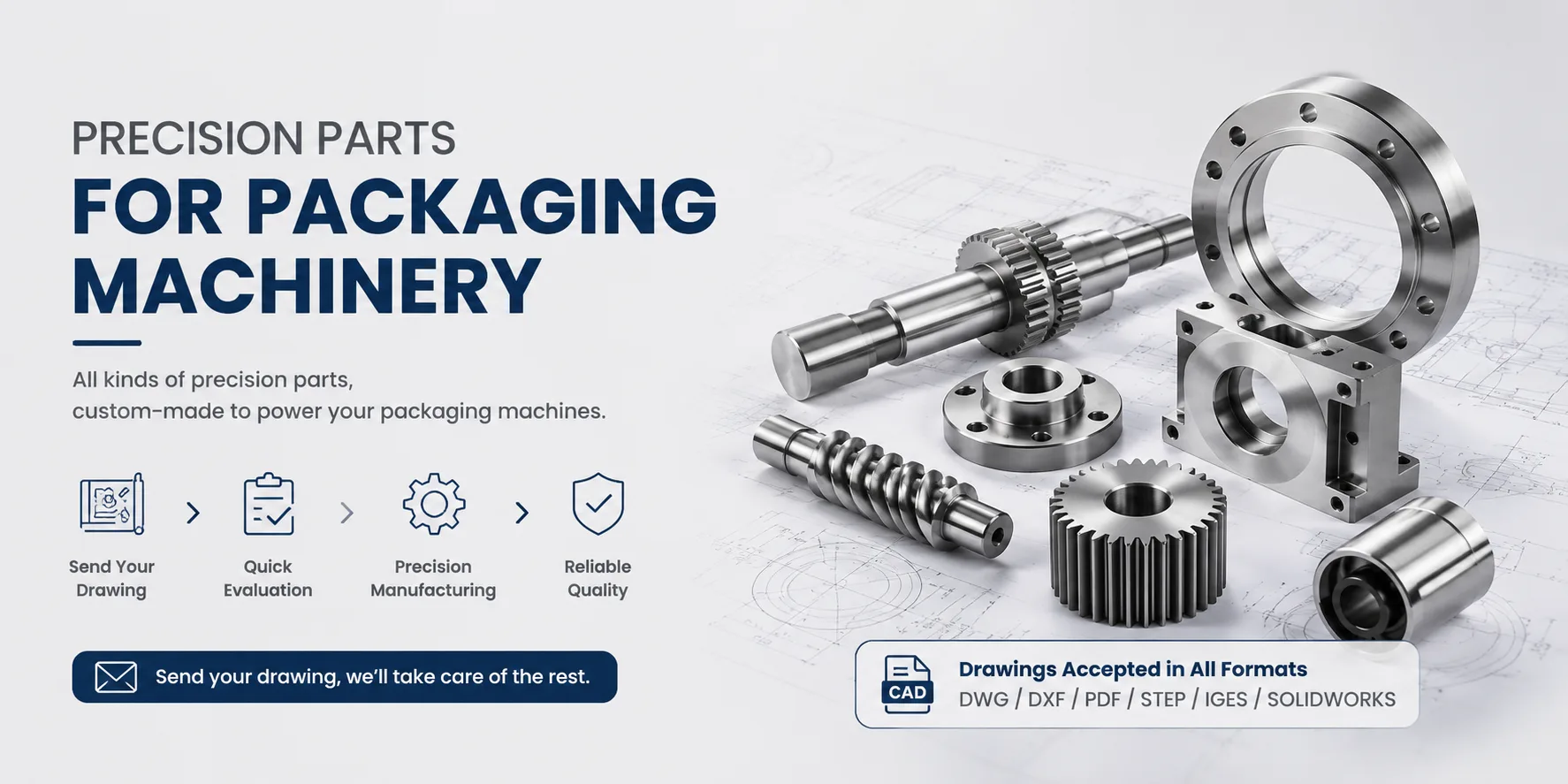
When a tension roller, guide, clamp, cutter, or sealing part reaches its wear limit, Hansheng Automation can machine a replacement from customer drawings. We match material, tolerance, and surface treatment to the machine and working conditions.