The main difference between a pushrod engine and a chain-driven engine is how the valves and the crankshaft connect inside the engine. That difference affects drive efficiency, vibration, rpm range, and maintenance.
Drive method
A chain-driven engine uses one timing chain as the drive medium. The chain connects the crankshaft and the camshaft. When the crankshaft turns, the chain turns the camshaft, and the camshaft drives the valves through the intake and exhaust strokes. The structure is more complex, but drive efficiency is high. The chain has some elasticity, so it absorbs part of the vibration and helps the engine run smoothly.
A pushrod engine uses two pushrods. The lower ends connect to the cam and rocker assembly on the crankshaft. The upper ends push the valve rocker arms, which open and close the valves for intake and exhaust. The structure is simpler, but drive efficiency is a little lower. Because the pushrods are rigid, vibration passes more directly and the engine may vibrate more.
Performance
A chain-driven engine usually reaches higher rpm and higher power output because of its efficient, smooth drive. It fits high-speed operation and performance use. The chain still needs regular inspection and tension adjustment.
A pushrod engine has lower drive efficiency, but its simple structure keeps maintenance cost lower. Pushrod control of valve timing is direct, so it is more stable at low rpm and suits applications that need high torque. At high rpm, vibration and wear can affect performance.
Which one to choose
The choice depends on the use case. A chain-driven engine favors high rpm and performance. A pushrod engine favors low rpm torque, simple maintenance, and lower cost.
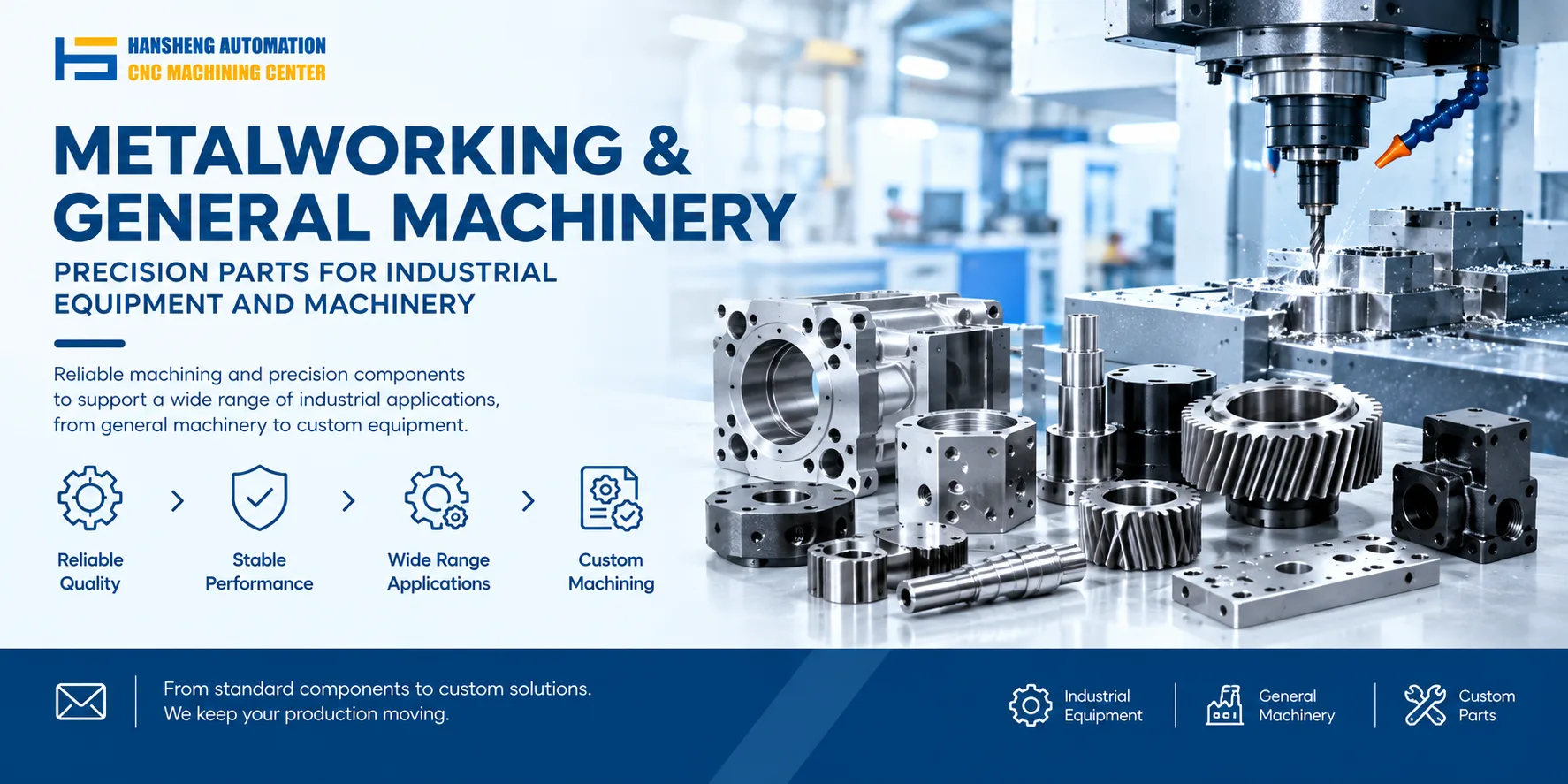
When pushrods, rocker arms, timing sprockets, or tensioners reach their wear limit, Hansheng Automation can machine replacements from customer drawings. We match the material, tolerance, and surface treatment to the drawing and working conditions.
Hansheng Automation also machines custom precision parts for other equipment, including filling machinery, tobacco packaging machinery, yacht components, and RC car components. We work from customer drawings for single pieces and small batches.