The main difference between multi-mold and single-mold high-frequency machines lies in the number of molds and production efficiency. Multi-mold machines use multiple molds, offer higher efficiency, and suit large-batch production. Single-mold machines have a simpler structure, are more flexible, and suit small-batch production.
Structure and Number of Molds
Single-mold high-frequency machine: operates with one mold set and processes one product per cycle. It is compact and takes up less floor space, making it suitable for workshops with limited space.
Multi-mold high-frequency machine: heat-seals multiple mold sets at the same time. Its mechanical structure is more complex and its size is larger, requiring greater floor load capacity.
Production Efficiency
Single-mold: lower efficiency. It processes one product per cycle, suitable for low-volume orders or customized scenarios, such as personalized automotive interiors.
Multi-mold: significantly higher efficiency. Multi-station synchronous operation, for example in stationery, card holders, and other small standard parts, can increase output several times.
Cost Input
Single-mold: lower cost. Equipment purchase and maintenance costs are lower, and only one mold development cost is needed, suitable for startups.
Multi-mold: higher initial investment. Designing and making multiple molds raises costs, but in large-scale production the unit cost is diluted, and long-term returns are more obvious.
Production Flexibility
Single-mold: flexible switching. Short mold change time, suitable for scenarios requiring frequent product changes.
Multi-mold: weaker adaptability. Adjusting multiple molds takes longer, better for continuous production of fixed products.
Applicable Product Types
Single-mold: mainly for complex parts, such as large inflatable toys and irregular medical devices, because mold precision requirements are high and individual debugging is needed.
Multi-mold: specialized in standard parts, such as batch packaging bags and card sleeves. Mold arrays enable rapid replication and lower marginal costs.
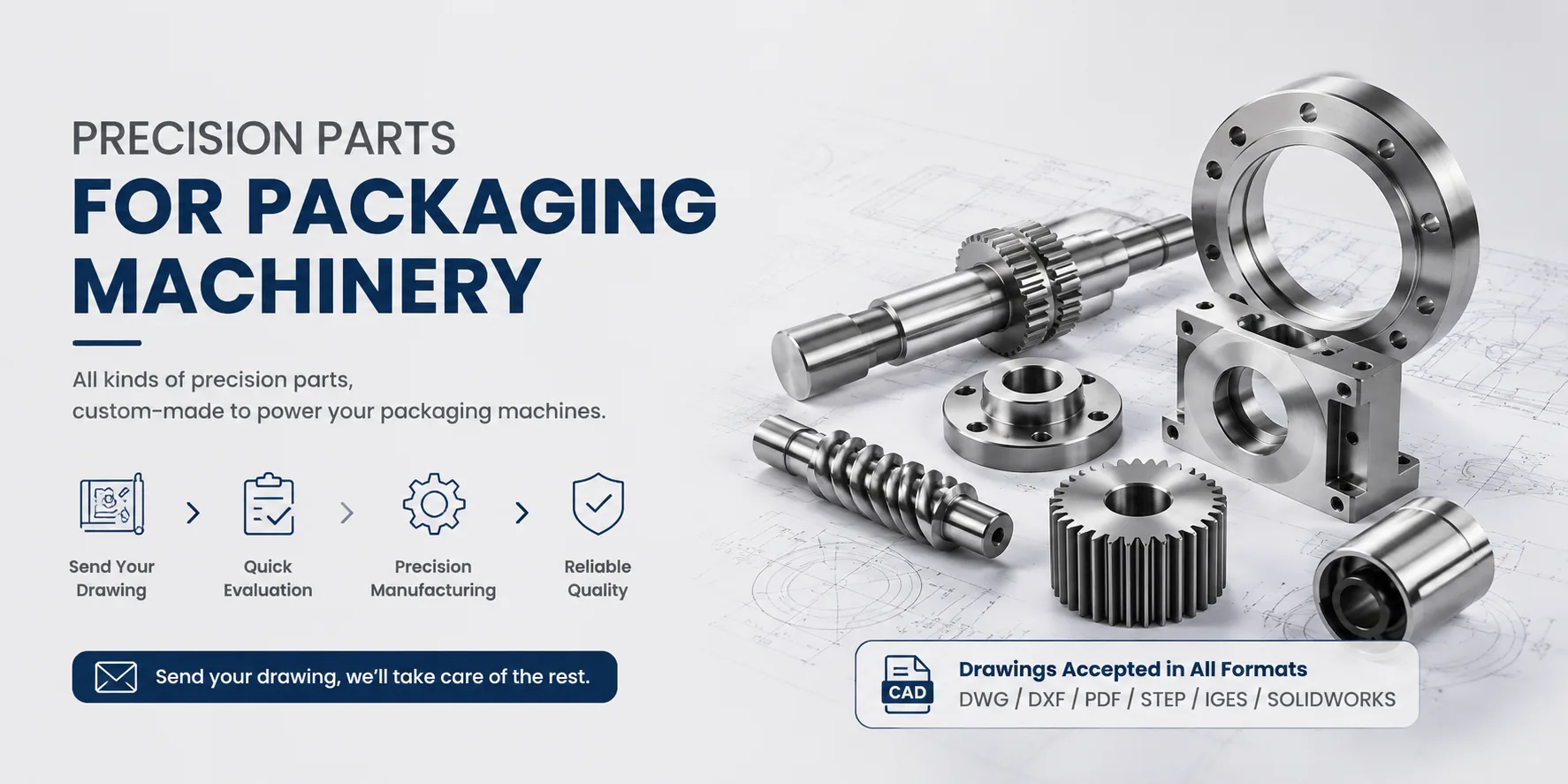
For high-frequency machines, Hansheng Automation can also machine related non-standard parts from customer drawings, such as mold mounting plates, locating blocks, guide posts, and insulation components, in single pieces or small batches.