The main difference between top-swing and bottom-swing grinding machines is the position of the swing part and the application. Top-swing machines suit large flat workpieces. Bottom-swing machines handle complex shapes and local fine grinding better.
Swing part position
The swing mechanism of a top-swing machine is at the top of the machine and drives the grinding disc from above. The swing part of a bottom-swing machine is at the bottom and drives the grinding part from below. This structural difference affects center of gravity and working characteristics.
Grinding results
Top-swing machines process flat surfaces better. Pressure is applied evenly from top to bottom, so they can efficiently polish large flat workpieces such as metal plates or glass panels.
Bottom-swing machines are more flexible. The bottom swing precisely controls the grinding angle. They suit curved surfaces, grooves, or small precision parts, such as mold inner walls or jewelry details.
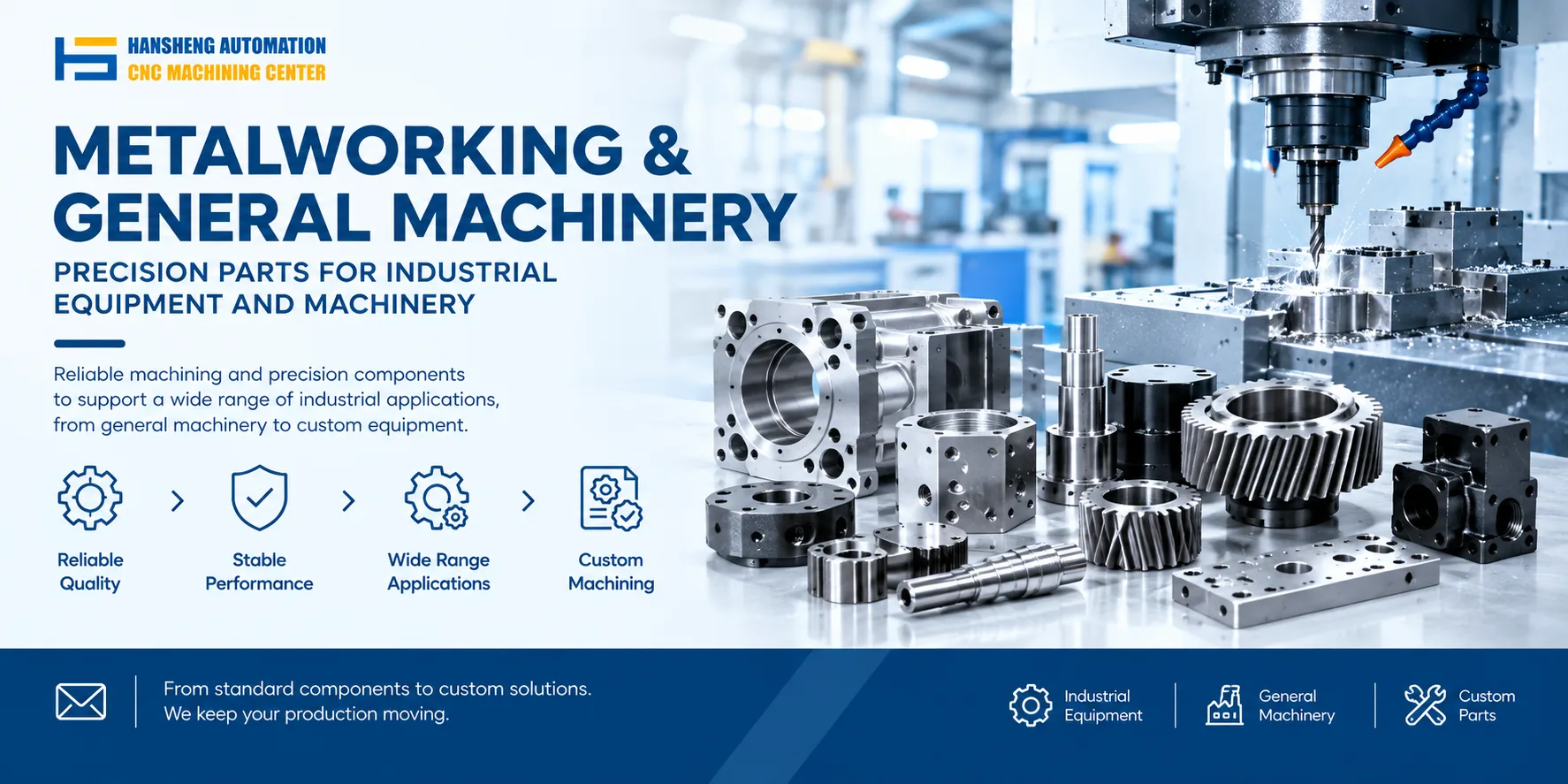
We can machine custom grinding discs, fixtures, shaft parts, and other precision parts for grinding machines from customer drawings, for single-piece or low-volume production.
Running stability
A bottom-swing machine has a low center of gravity, so the body shakes less from inertia during work. This is more noticeable in long, high-load grinding. A top-swing machine can improve stability with counterweights, but at the same swing amplitude it needs more damping design.
Operating experience
The control panel and grinding head of a top-swing machine are higher, making it easy to adjust parameters or change consumables while standing.
The work area of a bottom-swing machine is close to the floor. Some models may need a lift table. Newer models use side-opening doors to improve operator experience.
Our custom precision component machining capability is not limited to grinding equipment. Beyond grinding discs, fixtures, and shaft parts, we also machine yacht precision components, RC car structural parts, medical device parts, and non-standard parts for tobacco packaging machinery, filling machinery, and printing machinery. Hansheng Automation works from customer drawings and production quantities to deliver single-piece or low-volume precision machining.