Powder coating and liquid painting are two common surface treatment processes. They differ mainly in principle, applications, process flow, process characteristics, and suitability.
Product principle
Powder coating uses electrostatic attraction to spray powder onto the product surface, then cures it at high temperature to form a dense coating. It is electrostatic powder coating. The powder needs no dilution. After attraction, it cures by melting and leveling.
Liquid painting pressurizes paint and sprays it as a mist onto the product surface, forming a liquid paint film. It cures by solvent evaporation or chemical reaction, and depends on the flow of the liquid paint.
Applications
Powder coating is mainly used for metal surfaces, such as hardware, home decoration, and building materials. It suits applications that need high corrosion resistance and wear resistance.
Liquid painting has a wider range. It covers ships, locomotives, bridges, machinery, wood, leather, and other fields. It is especially suitable for surface decoration of non-metal or complex-shaped products.
Process flow
Powder coating: surface pretreatment (derusting, degreasing); electrostatic powder spraying; high-temperature curing (melting and leveling in an oven to form a dense coating).
Liquid painting: surface pretreatment (derusting, degreasing); cleaning and natural drying; primer spraying (with sanding) and topcoat spraying (can be repeated 2 to 3 times to improve density).
Process characteristics
Powder coating:
Advantages: no liquid paint dilution, lower VOC emissions; strong coating adhesion, good corrosion and wear resistance; short curing time, high production efficiency; lower skill requirements for workers.
Limitations: difficult to repair after surface damage; higher equipment and powder costs; requires high-temperature curing, so product dimensional stability matters.
We can machine custom hanging fixtures, jigs, and other precision parts for powder coating from customer drawings, for single-piece or low-volume production.
Liquid painting:
Manual painting:
Advantages: flexible operation, adapts to products of different shapes and sizes; simple equipment, low energy consumption.
Limitations: low production efficiency, unstable coating quality; high labor intensity, workers exposed to paint mist.
Air spraying:
Advantages: high productivity, stable coating quality.
Limitations: serious paint mist pollution, high paint loss; impurities in compressed air can affect coating quality.
High-pressure airless spraying:
Advantages: strong paint film adhesion, less paint mist, lower pollution; good coating protection.
Limitations: complex equipment, poorer coating uniformity and appearance.
Other key differences
Leveling: liquid painting contains additives and solvents, so it levels better than powder coating and gives a smoother surface.
Repairability: liquid painting allows small-area repair. Powder coating requires full rework.
Flexibility: liquid paint films can withstand small bends. Powder coatings are more brittle.
Appearance and production mode: liquid painting supports custom, low-volume production with short lead times. Powder coating suits large-scale standardized production.
Adhesion and size limits: powder coating gives stronger adhesion after high-temperature curing, but needs stable product dimensions. Liquid painting has no size limit and can cover large areas.
Summary
Choose powder coating: for metal products that need high corrosion and wear resistance, or for production environments with high environmental requirements.
Choose liquid painting: for non-metal products, complex-shaped workpieces, or projects that need fast delivery and low-volume customization.
The two differ in cost, efficiency, environmental impact, and scope. The choice depends on specific needs.
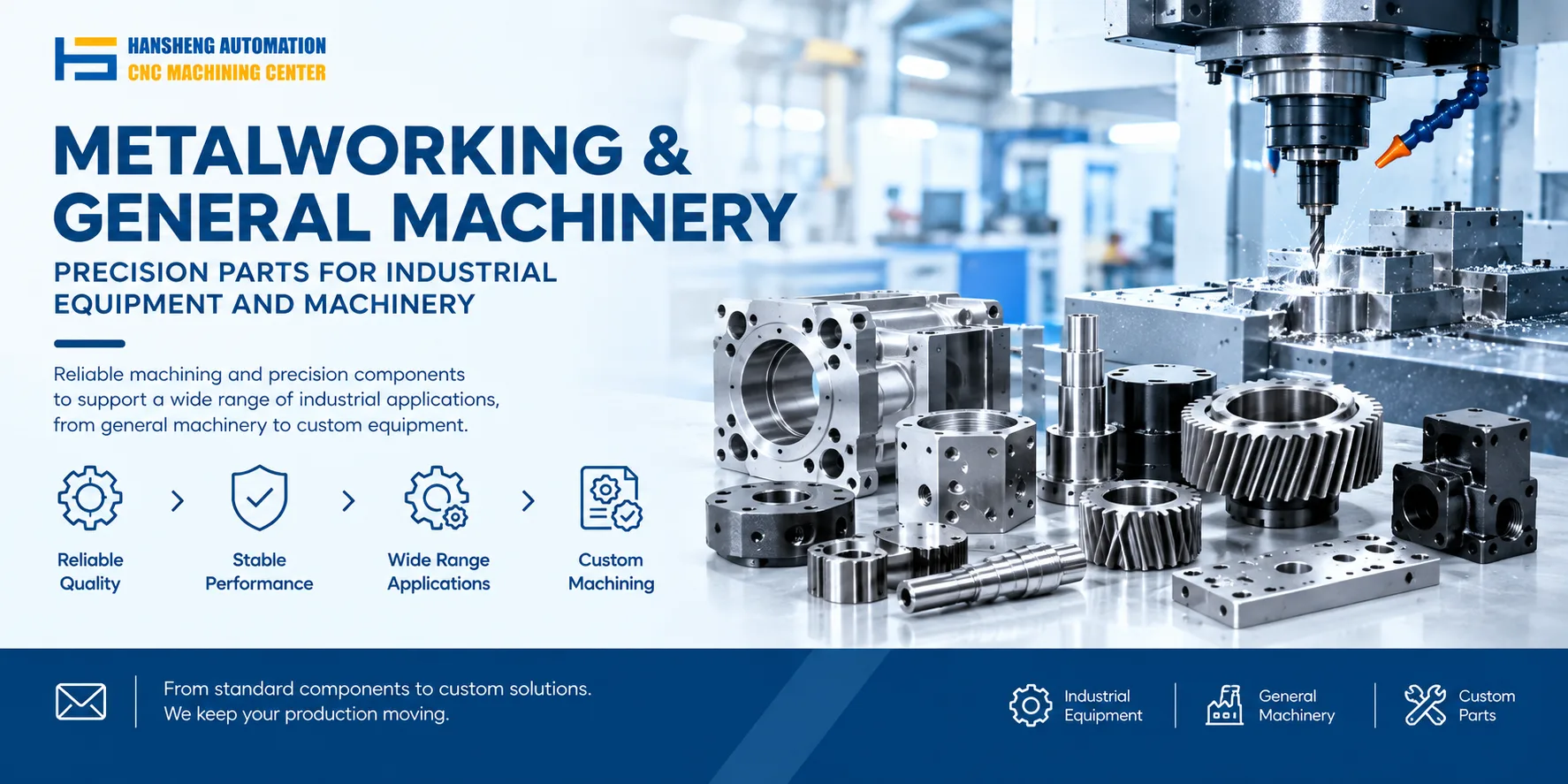
Our custom precision component machining capability is not limited to powder coating and liquid painting equipment. Beyond nozzles, jigs, and hanging fixtures, we also machine medical device parts, food machinery parts, yacht precision components, RC car structural parts, and non-standard parts for filling machinery and printing machinery. Hansheng Automation works from customer drawings and production quantities to deliver single-piece or low-volume precision machining.