The main difference between a carton sealing machine and a bag sealing machine lies in the object they process. A carton sealing machine is used to seal cardboard boxes and ensure the closure of cartons, while a bag sealing machine is designed for sealing flexible packaging bags.
Installation of a Carton Sealing Machine
The installation process typically includes basic setup, electrical connection, and commissioning. First, the installation environment must meet equipment requirements, such as proper ventilation and lighting. Then, electrical connections are made according to the manual, with checks on power lines and control circuits. Finally, commissioning is carried out, including adjustment of heat-sealing temperature, heating time, and other parameters to ensure proper carton sealing.
Common Problems with Bag Sealing Machines
Bag sealing machines may experience weak seals or burn-through. Weak sealing is usually caused by low heating temperature or uneven pressure elements. The solution is to raise the heating temperature appropriately, or inspect the working surface of the pressure element and replace it if necessary, then adjust the pressure. Burn-through is often caused by excessive heat-sealing temperature or overly long heating time. Adjusting the heating temperature and shortening the heating time can resolve this.
Operation and Maintenance
Operators should be familiar with the structure and performance of the sealing machine and strictly follow the operating manual. Regular cleaning, lubrication, adjustment, inspection, and repair are necessary to keep the equipment running properly. Cleaning must be performed only after the machine is stopped and the power is disconnected. Lubrication should follow the equipment lubrication chart or manual, using the specified lubricants at the required intervals.
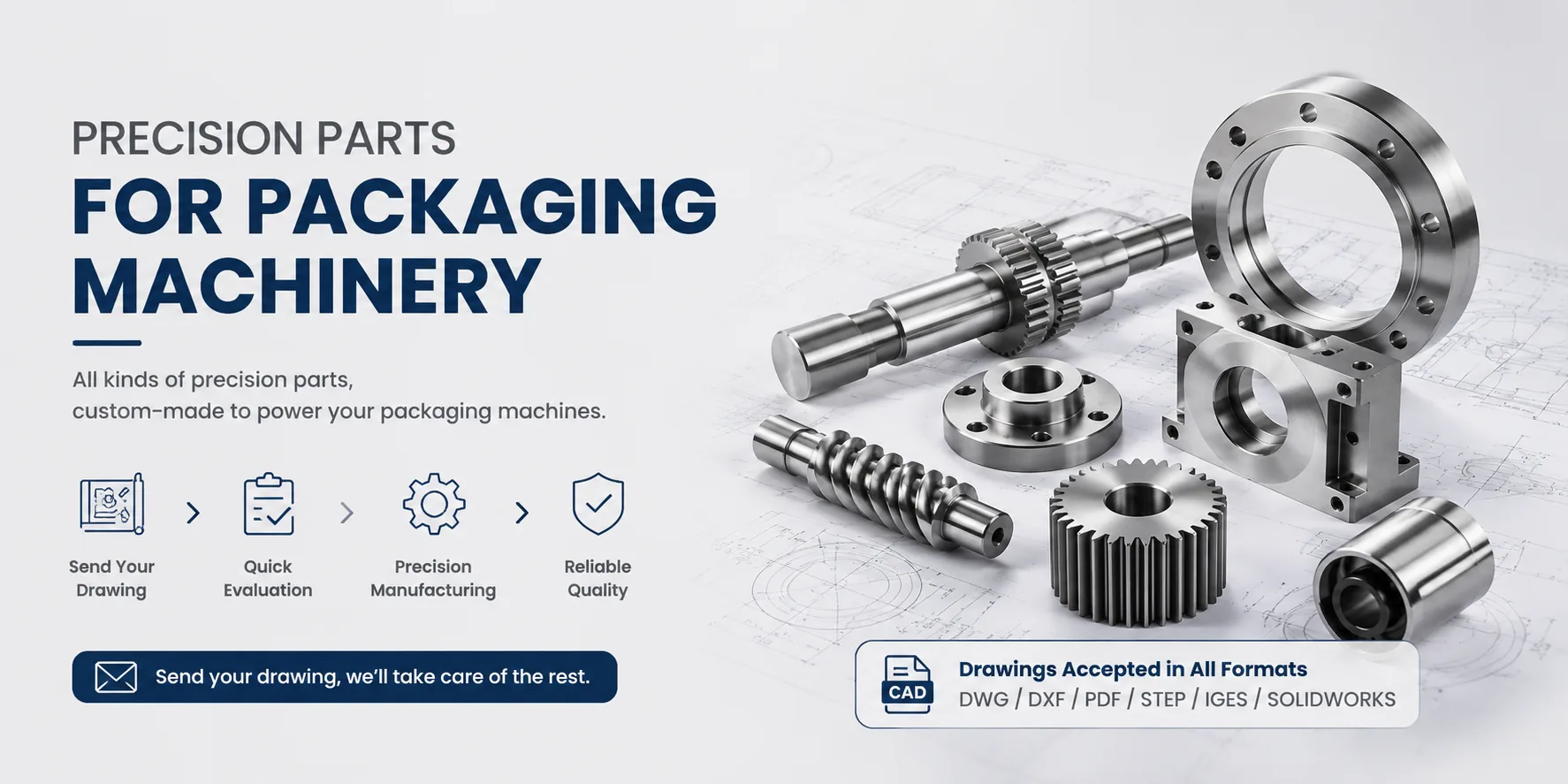
When adjusting the machine, parameters such as sealing temperature, time, and pressure directly affect sealing quality and production efficiency. Therefore, before use, careful adjustment should be made according to the type, thickness, and heat-sealing properties of the plastic film. During operation, regular inspection should be conducted to identify and eliminate faults in time. In particular, during cleaning and lubrication, the wear condition of moving parts should be checked carefully, and worn parts should be replaced promptly. For users who need to replace worn heating elements, pressure plates, or other sealing components, Hansheng Automation offers custom machining of these parts based on customer drawings or samples.