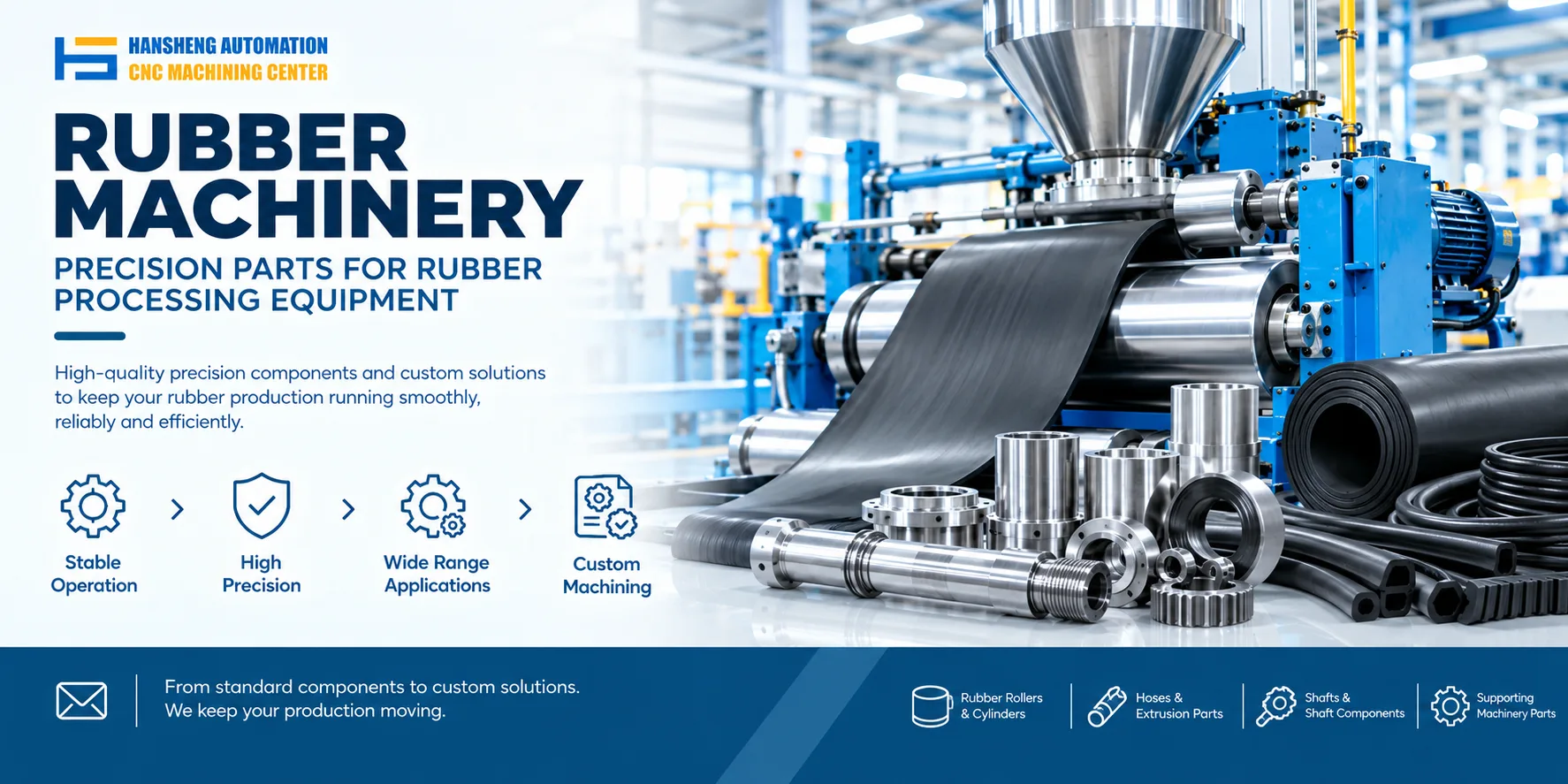
Common faults in flat vulcanizing presses generally involve the heating system, hydraulic system, sealing components, control system, and mechanical structure. Identifying the symptoms and checking the relevant components can help locate the cause and determine the appropriate corrective action.
Heating system faults
Uneven heating plate temperature
Uneven temperature distribution across the heating plates can result in inconsistent vulcanization among finished products. Common causes include damaged heating elements or faulty thermocouples. Inspect the heating elements and thermocouples, and replace damaged components as needed.
Slow heating
Slow heating may result from a missing electrical phase, burned contactor contacts, or aging heating elements. Use a multimeter to measure the resistance of the heating elements. A single heating element typically has a normal resistance of approximately 16 to 32 Ω.
Excessive temperature fluctuations
Large temperature fluctuations may be caused by incorrect PID parameter settings or a faulty solid state relay. Recalibrate the temperature controller and check its output signal to identify the source of the problem.
Hydraulic system faults
Insufficient pressure
Insufficient hydraulic pressure may be caused by internal leakage in the hydraulic pump or a relief valve setting that is too low. Check the pump's output pressure, which is typically rated at 21 to 28 MPa, and adjust the relief valve as required.
Failure to maintain pressure
The press may fail to maintain pressure when the hydraulic cylinder seals are worn or a cartridge valve leaks. Replace damaged Yx type sealing rings, with commonly used specifications of Φ200/Φ180, or repair the valve seat as required.
Abnormal operating noise
A blocked suction filter or contaminated hydraulic oil may cause abnormal noise during operation. Replace the filter element with one having a filtration rating of 10 to 15 μm, and check the oil cleanliness. The NAS cleanliness level should be ≤8.
Sealing component faults
Leakage from the heating plate seals
Fluororubber sealing rings may harden when exposed to high temperatures for extended periods. When operating continuously above 180°C, their service life may be reduced by half. Replacement is recommended every 2,000 operating hours.
Scratches on the plunger rod
Metal contaminants entering the hydraulic cylinder can scratch the plunger rod and damage the cylinder surface. Polish the damaged area to achieve a surface roughness of Ra0.4, and improve hydraulic oil filtration to reduce the risk of recurring damage.
Oil leakage at pipe connections
Oil leakage at pipe joints may result from crushed combination gaskets or loose threaded connections. Replace damaged oil resistant asbestos gaskets with new gaskets 2 to 3 mm thick. Tighten the connections using a torque wrench, following the tightening torque specified in the equipment manual.
Control system faults
PLC program malfunction
Electromagnetic interference can disrupt PLC program operation. Install ferrite ring filters to reduce interference and ensure that the grounding resistance is ≤4 Ω.
Limit switch failure
Oxidation of the contacts in a mechanical limit switch can interfere with its operation. Replacing the mechanical switch with a proximity switch is one possible solution. The recommended detection distance is 8 to 10 mm.
Unresponsive touchscreen
High temperatures can accelerate aging of the liquid crystal display module and cause the touchscreen to stop responding. The ambient temperature should be ≤40°C. Install a cooling fan or replace the existing display with an industrial grade screen as appropriate.
Mechanical structure faults
Heating plate parallelism deviation
Worn guide rails can cause heating plate parallelism errors of ≥0.2 mm/m. Correct the deviation using wedge shaped adjustment shims. For each 0.1 mm adjustment, a compensating shim of 0.5 mm is required.
Mold clamping misalignment
Excessive clearance in the guide post bushings can cause the mold halves to become misaligned during closing. The specified maximum clearance is 0.08 to 0.12 mm. Replace worn bushings with copper based graphite bushings when necessary.
Mold displacement
Loose T slot bolts can allow the mold to shift during operation. M24 bolts require a tightening torque of 450 N·m. Check bolt preload monthly to reduce the risk of loosening.
Routine maintenance and preventive inspection
Routine maintenance should focus on hydraulic oil cleanliness, heating element insulation resistance, and the tightness of structural fasteners.
Check hydraulic oil cleanliness every six months and verify that the insulation resistance of the heating elements is ≥100 MΩ. Regularly inspect structural fasteners and establish a preventive maintenance schedule based on recorded operating hours. This approach can reduce unexpected equipment failures by more than 60%.
Custom precision component machining services
Beyond rubber processing equipment applications, Hansheng Automation provides custom machining of precision components according to customer supplied drawings. Our services cover yacht components and RC racing car parts, as well as nonstandard components for tobacco packaging and filling machinery. We manufacture parts to customer specified dimensions and drawing requirements for different mechanical applications.