A chain-fed die-cutting machine is a paperboard converting machine. It handles slotting, corner cutting, sheet splitting, creasing, and handle punching in one pass. The chain feed and the die-cutting section are the two main parts.
How it works
The machine uses a chain feed system. The chain runs continuously and moves the paperboard into the die-cutting area. In that area, rollers press the board while a die plate cuts it. One pass can finish slotting, corner cutting, sheet splitting, creasing, and handle punching. This reduces the number of separate operations and keeps the board in one setup.
When the chain, sprockets, or roller drive parts wear, Hansheng Automation can machine replacements from customer drawings. We match material, tolerance, and surface treatment to the drawing and the working conditions.
Main features
Roller construction. The rollers are made from quality steel. They are balanced and hard chrome plated. This gives high strength, high hardness, and good wear resistance. It also supports stable die cutting and accurate dimensions.
Soft film automatic repair. The machine has a soft film automatic repair mechanism. It repairs the rubber pad automatically and extends pad life. This lowers how often operators change the pad and reduces production cost.
Imported urethane pad. The pad uses imported urethane sleeve film, including products from Taiwan and the United States. Customers can choose the type they need. The pad has good elasticity and wear resistance, which helps hold die-cutting quality.
Combined control. The machine uses combined photoelectric, electrical, and pneumatic or hydraulic control. This control method is safe and effective. It makes operation simpler and more flexible. It also supports stable, reliable running.
Linear speed compensation. The machine has an automatic linear speed compensation mechanism. When the soft roller diameter changes, the linear speed is compensated automatically. This keeps die-cut dimensions consistent from one carton batch to the next. It improves processing accuracy and consistency.
Lateral micro-oscillation. The upper soft roller uses mechanical or hydraulic control for lateral micro-oscillation. The reciprocating distance is moderate. This reduces wear on the die sleeve without affecting die-cutting quality. It extends die sleeve life and lowers maintenance cost.
Die plate phase adjustment. Die plate phase adjustment uses a planetary gear mechanism. The circumferential position can be adjusted by electric or manual control. Operators can make quick changes for different jobs. This makes the machine flexible to set up.
Applications
The chain-fed die-cutting machine fits irregular cartons. It has several process functions and a high level of automation. Packaging plants, printing shops, and carton manufacturers use it. It handles complex carton shapes and sizes and supports higher production efficiency and product quality.
Operation and maintenance notes
Before running the machine, check that power supply, air pressure, and other parameters meet the required values. This prevents equipment faults and safety problems. Before die cutting, check the die plate, rubber pad, and other parts. Make sure they are in good condition and installed correctly. During operation, watch the machine status and the die-cutting result. Adjust parameters and replace worn parts when needed. For maintenance, clean, lubricate, and inspect the machine at regular intervals. Find and handle potential problems early so the machine can run steadily over time.
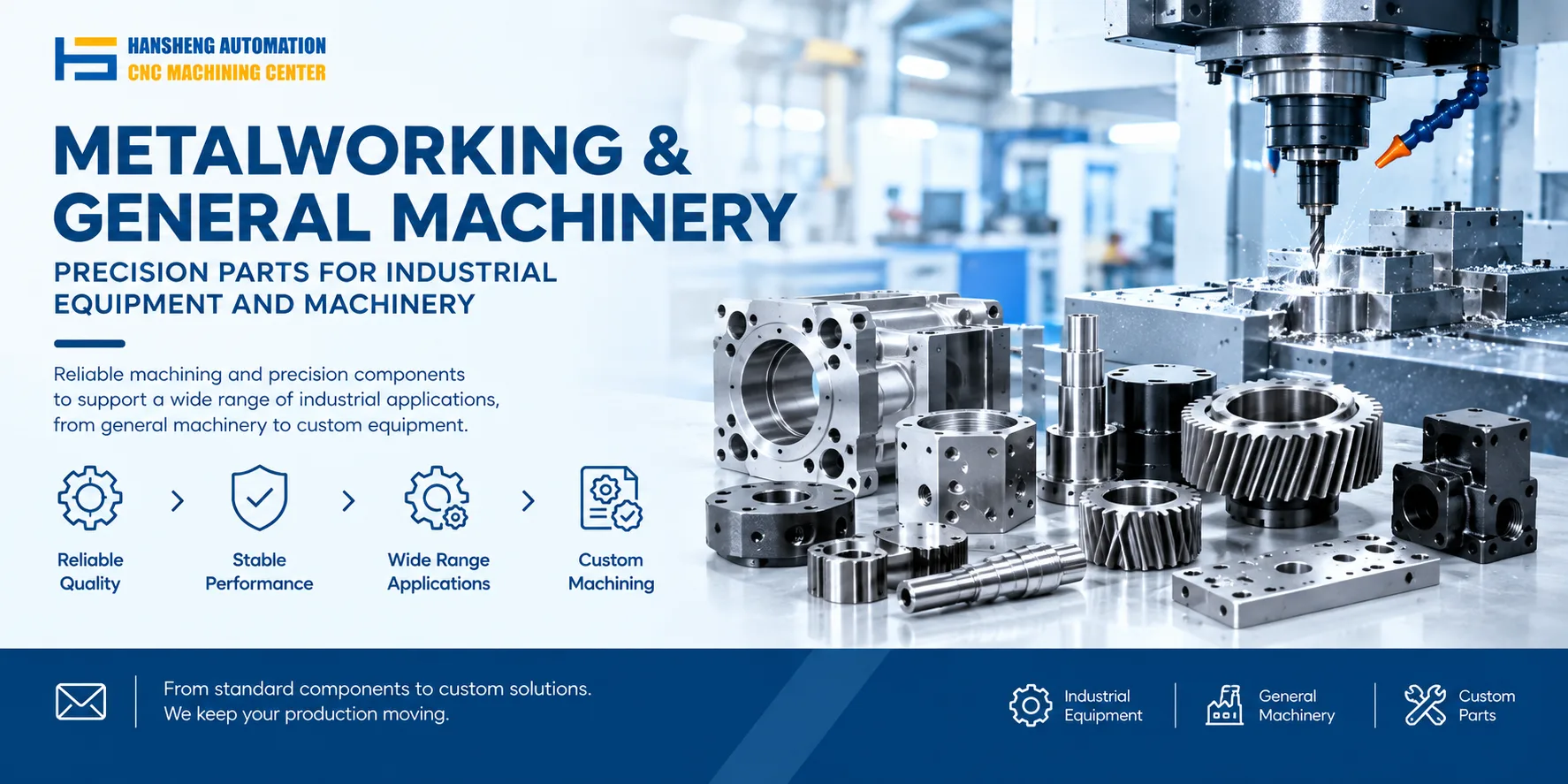
Hansheng Automation also machines custom precision parts beyond die-cutting equipment. Our drawing-based service covers tobacco packaging machinery parts, filling machinery parts, yacht components, RC car components, and non-standard parts for printing, food, and medical equipment. We work from customer drawings for single pieces and small batches.