


Corrosion costs global manufacturers an estimated $1.8 to $2.8 trillion annually. For precision metal components, a single rust spot can result in scrapped parts, costly rework, or production downtime. Whether you are sourcing cam indexers, rotary tables, or custom CNC machined parts, choosing the right anti-rust coating is critical.
So, what are the most common types of anti-rust coatings, and how exactly do they work?
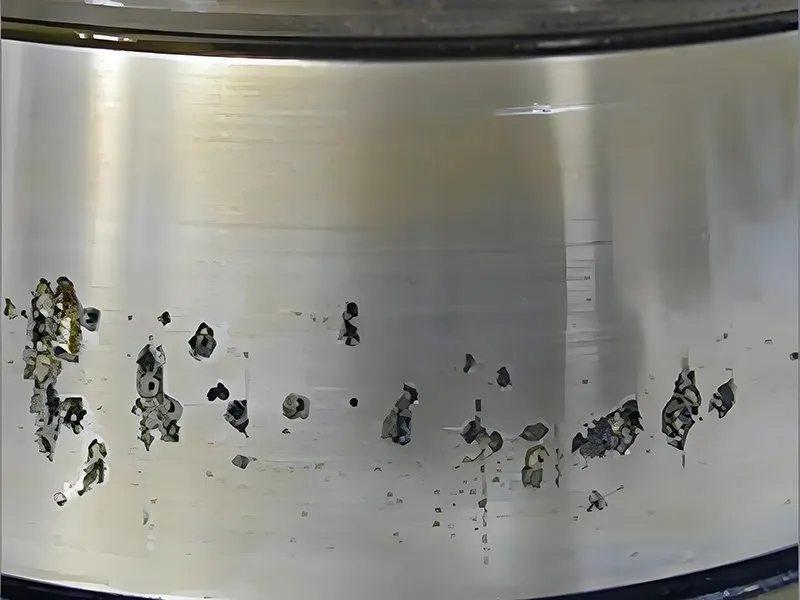
What Is Anti Rust Coating for Metal?
An anti rust coating for metal is a protective layer - applied to a metal surface - that physically or chemically interrupts the electrochemical reaction responsible for corrosion.
Two main mechanisms:
- Physical barrier – Seals the metal surface (e.g., epoxy, powder coatings). Works only if the layer stays intact. Once scratched, protection fails locally.
- Electrochemical (sacrificial) protection – Uses active metal particles like zinc or zinc-aluminum. These corrode instead of the base metal, even if the coating is damaged. Performs better in harsh or unpredictable environments.
How Does Rust Form on Metal Surfaces?
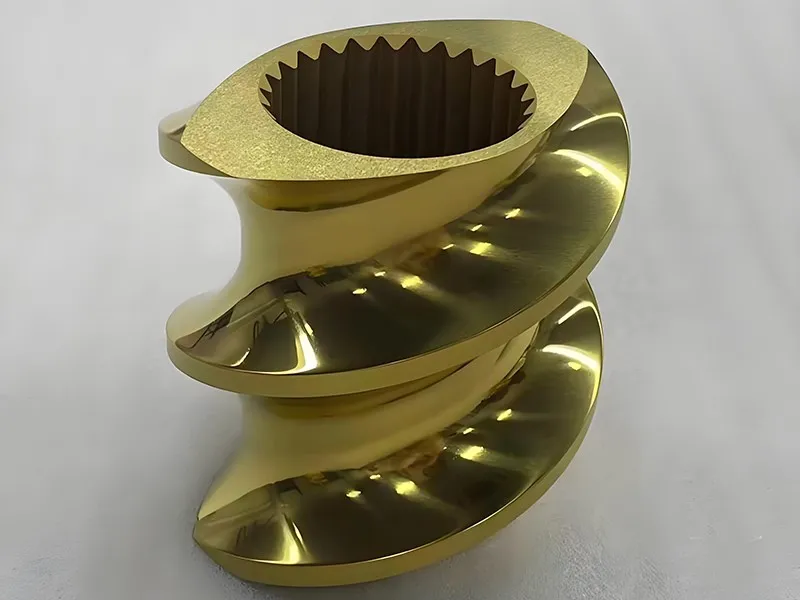
Rust is the common name for iron oxide (Fe₂O₃), the product of a simple but relentless electrochemical reaction: iron + water + oxygen → rust. If chlorides (e.g., salt spray), sulfur compounds (e.g., industrial atmospheric environments), or acidic substances are present, the rusting process will accelerate significantly.
It's important to note that not all metals rust equally:
Carbon steel and cast iron are the most vulnerable - unprotected surfaces can show visible rust within hours in humid conditions
Stainless steel (304/316L) forms a passive chromium oxide layer that self-repairs under most conditions, but can still suffer pitting corrosion in high-chloride environments
Aluminum alloys don't "rust" in the traditional sense but do oxidize and are susceptible to galvanic corrosion when in contact with dissimilar metals
6 Main Types of Anti Rust Coating for Metal
Not all anti rust coatings for metal are created equal. Each type operates on a different protection mechanism, suits a different substrate, and carries a different set of trade-offs around thickness, cure temperature, and compatibility with precision dimensions.
1. Epoxy Coating
Two-component system (resin + hardener) that forms a dense, cross-linked barrier against moisture, oxygen, and chemicals.
Typical parameters
- Thickness: 20–80 μm per coat
- Salt spray resistance (ASTM B117): 500–800 hours
- Cure temperature: ambient to 60°C (room-temperature cure available)
Best for: Factory machinery, storage tanks, structural steel, pipe interiors, C3–C4 environments (ISO 12944).
Limitations: Rigid - poor impact/flex resistance. At 20–80 μm, it cannot be used on tight-tolerance mating surfaces (bores, shaft journals, threads) without careful masking. Suitable for structural frames and housings, not precision fits.
2. Polyurethane Coating
Forms a flexible, UV-stable polymer layer. Typically used as a topcoat over an epoxy primer in multi-layer systems.
Best for: Outdoor metal structures, agricultural equipment, food/tobacco machine enclosures – where both corrosion resistance and appearance matter.
Limitations: Limited cathodic protection by itself; rarely used as a standalone coating in heavy industrial environments. Its value is as the final layer in a 3-coat system (zinc primer + epoxy + polyurethane), protecting the system from UV and weathering.
3. Zinc-Rich Primer (Zinc Coating)
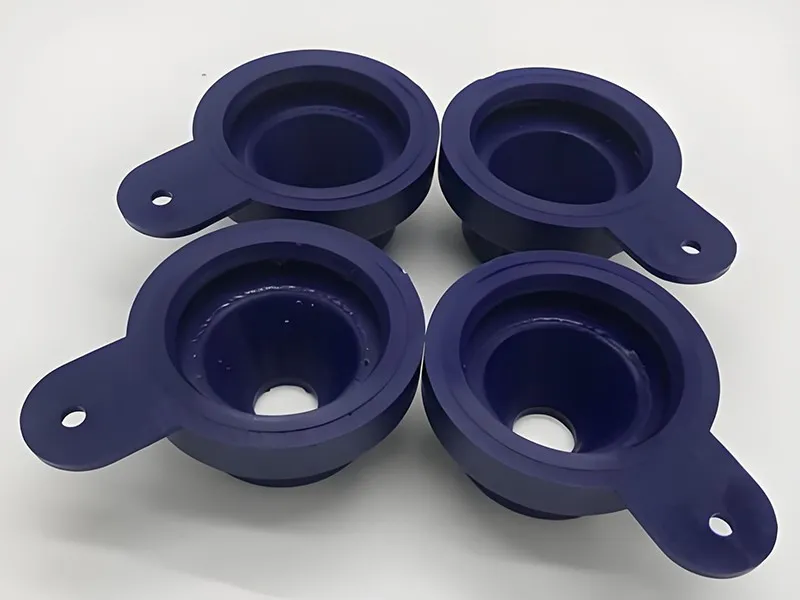
Unlike barrier coatings that simply seal the surface, zinc-rich primers work electrochemically. The zinc particles embedded in the coating have a lower electrochemical potential than steel - which means they corrode preferentially, sacrificing themselves to protect the base metal even when the coating is scratched or damaged.
Hot-dip galvanizing vs. cold zinc-rich primer - key differences:
|
feature |
Hot-Dip Galvanizing |
Cold Zinc-Rich Primer |
|
Zinc layer thickness |
50–150 µm |
15–60 µm |
|
Process temperature |
~450°C |
Ambient |
|
Dimensional impact |
High - can distort thin sections |
Moderate |
|
Surface uniformity |
Variable on complex geometries |
More controllable |
|
Salt spray resistance |
500–1,000 hours |
500–800 hours |
Best for: Structural steel, outdoor frames, construction hardware, large weldments – where tight dimensional control is less critical.
Limitations: High zinc content (70–85% by dry film weight) makes the coating porous; needs a topcoat for aggressive environments. Thickness variation (especially hot-dip) is unacceptable for precision parts. A refined evolution of this technology is covered in Type 6.

4. Powder Coating
Electrostatically charged dry polymer is applied to a grounded part, then cured in an oven (180–200°C) to form a smooth, solvent-free, durable film.
Typical parameters:
- Thickness: 60–100 μm (standard)
- Cure temperature: 180–200°C
- Salt spray resistance: 500–1,000 hours
Best for: Machine guards, enclosures, frames, outdoor structures – where appearance and corrosion protection matter.
Limitations for precision parts:
- Heat risk: 180–200°C can alter hardness or dimensions of hardened steel components (e.g., cam mechanisms, geared shafts, bearing races).
- Thickness conflict: 60–100 μm exceeds typical tolerance bands. Example: a rotary table bore with ±0.005 mm tolerance – a 60 μm coating consumes more than the entire clearance.
- Use powder coating on non-precision surfaces (housings, covers, structural members). Mask precision interfaces or use alternative systems.
5. Phosphate Conversion Coating
A chemical conversion process (not a deposited coating). The metal surface reacts with phosphoric acid to form a micro-porous layer of metal phosphate crystals (zinc or manganese phosphate) that becomes part of the substrate.
Best for: Pretreatment for precision threaded fasteners, bearing components, CNC-machined steel parts – especially with oil impregnation or topcoat. Manganese phosphate is standard for sliding/rotating steel parts, reducing break-in friction and holding lubricant.
Limitations: Minimal corrosion protection alone. Without sealing oil or topcoat, surface rust appears within days in humid conditions. Not a primary corrosion barrier - its value is in enhancing adhesion and performance of subsequent coatings.
6. Zinc-Aluminum Composite Coating(e.g., Geomet®, Dacromet®-class coatings)
Overlapping zinc and aluminum flakes in an inorganic binder form a highly protective barrier. Cure temperature is low, and the thin film provides exceptional salt spray resistance.
Typical parameters:
- Thickness: 8–15 μm – suitable for precision fits
- Salt spray resistance (ASTM B117): ≥ 2,000 hours
- Cure temperature: 80°C – no risk to hardened steel
- Hydrogen embrittlement: None
- Compliance: RoHS/REACH (no Cr⁶⁺, no lead)
Why it works for precision CNC components
- Thin film (8–15 μm): Example – a 30mm h6 shaft has a 13 μm tolerance band. Conventional coatings (60–100 μm) exceed the entire band; this coating fits within it, allowing dimensional accounting at machining stage.
- Low cure temperature (80°C): Avoids tempering or stress in hardened parts like cam followers, gear shafts, spindles.
Best for: Precision applications where corrosion protection and dimensional integrity must coexist – hollow rotary tables, gear assemblies, and similar parts.
Anti Rust Coating for Metal: Comparison Table by Key Performance Indicators
Performance Comparison: 6 Anti Rust Coatings for Metal
|
Coating Type |
Salt Spray Resistance (ASTM B117) |
Coating Thickness |
Cure Temperature |
Impact on Dimensional Tolerance |
Best Application Scenario |
|
Epoxy Coating |
500–800 hrs |
20–80 μm |
Ambient–60°C |
Moderate impact - mask precision surfaces |
Factory machinery, structural steel, storage tanks |
|
Polyurethane Coating |
500–700 hrs (as topcoat) |
30–60 μm |
Ambient–80°C |
Moderate impact - typically applied to non-fit surfaces |
Outdoor structures, equipment enclosures, decorative industrial finishes |
|
Zinc-Rich Primer |
500–1,000 hrs |
15–60 μm (cold) / 50–150 μm (hot-dip) |
Ambient (cold) / ~450°C (hot-dip) |
High impact - hot-dip incompatible with precision parts |
Structural steel, outdoor frames, large weldments |
|
Powder Coating |
500–1,000 hrs |
60–100 μm |
180–200°C |
High impact - thickness exceeds most precision tolerance bands |
Machine guards, enclosures, non-precision external surfaces |
|
Phosphate Conversion Coating |
48–96 hrs (standalone) |
1–15 μm |
Ambient–60°C |
Negligible impact -dimensionally safe |
Pre-treatment for threaded fasteners, bearing surfaces, sliding steel components |
|
Zinc-Aluminum Composite Coating |
≥ 2,000 hrs |
8–15 μm |
80°C |
Minimal impact - engineered for precision assemblies |
Precision CNC parts, cam indexers, rotary tables, gear assemblies, export components |
Standard reference: Salt spray testing conducted per ASTM B117. Corrosion environment classification per ISO 12944 (C1–C5). Thickness values represent typical dry film thickness (DFT) for single-coat application unless otherwise noted.
How to Read This Table
Salt spray hours are not directly comparable across coatings. A 1,000‑hour ASTM B117 result on a powder‑coated frame versus a zinc‑rich primer on a shaft reflects different substrate prep, adhesion, and failure modes. Always request coating‑specific test reports.
Thickness creates two risks for precision parts: dimensional interference (coating exceeds designed clearance) and thickness variation (±20 μm process spread on a ±10 μm bore leads to inconsistent fits).
The 80°C cure temperature of zinc‑aluminum composite coatings is a key threshold. Most hardened steel components (cam followers, shafts, gear blanks) are tempered at 150–200°C. Curing above that range risks hardness or residual stress changes. At 80°C, this coating stays safely below the tempering range.
RoHS/REACH compliance: All six coatings can be formulated to comply. However, older zinc‑phosphate and chromate conversion systems may contain hexavalent chromium (Cr⁶⁺) – banned in the EU. If exporting to Europe or global OEMs, explicitly confirm Cr⁶⁺‑free certification.
How to Choose the Best Anti Rust Coating for Metal
Here are four key factors to help you select the right anti-rust coating for your metal components.
Operating Environment - Salt Spray Level, Temperature, and Chemical Exposure
The single most important input to any coating selection is the corrosion environment the part will actually live in. ISO 12944 provides the most widely used classification system, defining five corrosion categories based on annual material loss from unprotected steel:
|
ISO 12944 Category |
Environment Description |
Typical Examples |
|
C1 |
Very low - dry, heated indoor spaces |
Office interiors, climate-controlled storage |
|
C2 |
Low - low humidity, minor pollution |
Unheated warehouses, rural outdoor exposure |
|
C3 |
Medium - moderate humidity, urban/industrial atmosphere |
Production facilities, food processing areas |
|
C4 |
High - industrial zones, coastal areas with moderate salinity |
Chemical plants, coastal infrastructure |
|
C5 |
Very high - aggressive industrial or marine environments |
Offshore platforms, shipyards, chemical immersion |
Temperature range matters separately from corrosion category. Epoxy softens above 120°C; polyurethane degrades above 150°C in continuous service. If your component runs near heat sources (motors, gearboxes, furnaces), verify thermal stability - not just salt spray performance.
Metal Substrate Type - Carbon Steel, Stainless Steel, and Aluminum Alloy
The base material determines corrosion mechanism and required surface preparation. Wrong prep = premature failure.
- Carbon steel – Most coating‑receptive and corrosion‑vulnerable. Standard prep: phosphate pre‑treatment (zinc or iron phosphate, 1–15 μm, dimensionally negligible). Default for precision parts before zinc‑aluminum coating.
- Stainless steel (304/316L) – Passive chromium oxide layer resists adhesion. Must mechanically break the layer (abrasive blasting to Ra 3–6 μm). Without this, coating delaminates under thermal or mechanical stress.
- Aluminum alloys – Natural oxide is too smooth and inert. Pre‑treatment: chromate conversion or Cr⁶⁺‑free equivalent (trivalent chromium process, TCP). For EU markets, specify TCP – hexavalent chromium is REACH‑restricted.
- Galvanic compatibility – When coated steel bolts to aluminum, the coating must act as a galvanic isolator. If damaged at the interface, steel‑aluminum potential difference accelerates corrosion. Review coating selection and joint design together.
Dimensional Tolerance Requirements
Most coating guides omit this factor - yet it matters most to precision manufacturers.
Every coating adds thickness. On a structural beam, 50 μm is irrelevant. On a precision mating surface, that same 50 μm determines whether assembly works.
Consider an Ø30 H7/h6 clearance fit (bearing/shaft):
- H7 bore: +0/+21 μm
- h6 shaft: 0/-13 μm
- Total designed clearance: 0–34 μm
Apply a conventional epoxy coating at its minimum 20 μm to the shaft → consumes 59% of maximum clearance. At 40 μm, interference before assembly.
Zinc-aluminum composite coating (8–15 μm, ±3 μm process variation) is the only common system that applies reliably to precision-fit surfaces without redesign. For ultra‑precision parts (sub‑arc‑minute indexing, high‑accuracy spindles), call out coating allowance on the drawing - like surface roughness or geometric tolerances.
Regulatory Compliance – RoHS, REACH, ASTM B117
For manufacturers supplying EU markets, compliance is mandatory.
RoHS restricts lead, mercury, cadmium, and hexavalent chromium (Cr⁶⁺) in electrical/electronic equipment. Traditional processes (hard chrome, cadmium plating, chromate conversion) often contain non‑compliant Cr⁶⁺ or lead.
REACH requires control of substances of very high concern (SVHCs). Cr⁶⁺ is listed in Annex XIV, requiring authorization that is increasingly difficult to obtain. If you use traditional chromate systems for EU parts, you are on borrowed time.
ASTM B117 is a test standard, not a regulation. When a supplier quotes salt spray hours, verify they were obtained on your specific substrate and pre‑treatment. Results on bare steel panels are not equivalent to performance on phosphated, machined components.
Practical takeaway: Zinc‑aluminum composite coating is Cr⁶⁺‑free, RoHS/REACH compliant, and delivers 2,000+ hours ASTM B117 – one of few systems that satisfy global compliance and performance without different specs per market.
FAQ
Q: What is the most durable anti-rust coating?
A: Zinc-aluminum composite coating: ≥2000 hours salt spray (ASTM B117) at just 8–15 µm thickness. Thick coatings (e.g., epoxy/powder) are durable but too thick for precision parts.
Q: Can coating affect assembly tolerances?
A: Yes. Conventional coatings add 20–100 µm, while an H7/h6 clearance on a 30 mm diameter is only 0–34 µm. Solution: use 8–15 µm zinc-aluminum composite and call out coating thickness allowance on the drawing.
Q: How long does anti-rust coating last?
A: Zinc-aluminum composite: 10–15 years in C3 environment. Epoxy/powder: 3–5 years. Phosphate: <1 year. Surface preparation quality is more critical than the coating itself.
Q: Is zinc-aluminum composite coating RoHS compliant?
A: Yes. No Cr⁶⁺, lead, or cadmium. Obtain written declaration (MSDS + RoHS/REACH) from your supplier.
Q: What surface preparation is required before coating?
A: Carbon steel: zinc or iron phosphate conversion coating. Stainless steel: controlled abrasive blasting. Aluminum alloy: trivalent chromium process (TCP). All substrates must be free of oil and grease (water-break test: continuous water film = acceptable).