The core principle of a cap removal machine is to position, clamp, and separate the cap or outer shell of an item through mechanical means. It is commonly used at the opening stage of packaging lines for food, pharmaceutical, and daily chemical products.
1. Main Types and Working Principles
Rotating cap removal machine: Uses rotating blades or friction wheels to cut or unscrew caps, suitable for plastic threaded caps.
Lever-type cap removal machine: Uses a lever mechanism to pry open metal caps such as can lids, often combined with cutting blades.
Vacuum suction cap removal machine: Uses suction cups to hold the cap and then a robotic arm to peel or twist it off, suitable for flat caps.
Heat-melt cap removal machine: Heats and softens heat-sealed caps before peeling them away, commonly used for yogurt cups and pharmaceutical aluminum foil lids.
2. Key Technologies and Parameters
Clamping force: Adjusted according to cap material. Metal caps typically require 200–500 N, while plastic caps require 50–150 N.
Positioning accuracy: Error should be controlled within ±0.5 mm, in accordance with GB/T 2625-2021 packaging machinery standards.
Working speed: Common models process 30–60 units per minute, while high-speed models can reach 120 units per minute.
Power configuration: Small machines typically use 220 V / 0.5 kW motors, while large production line equipment requires 380 V / 2–3 kW drives.
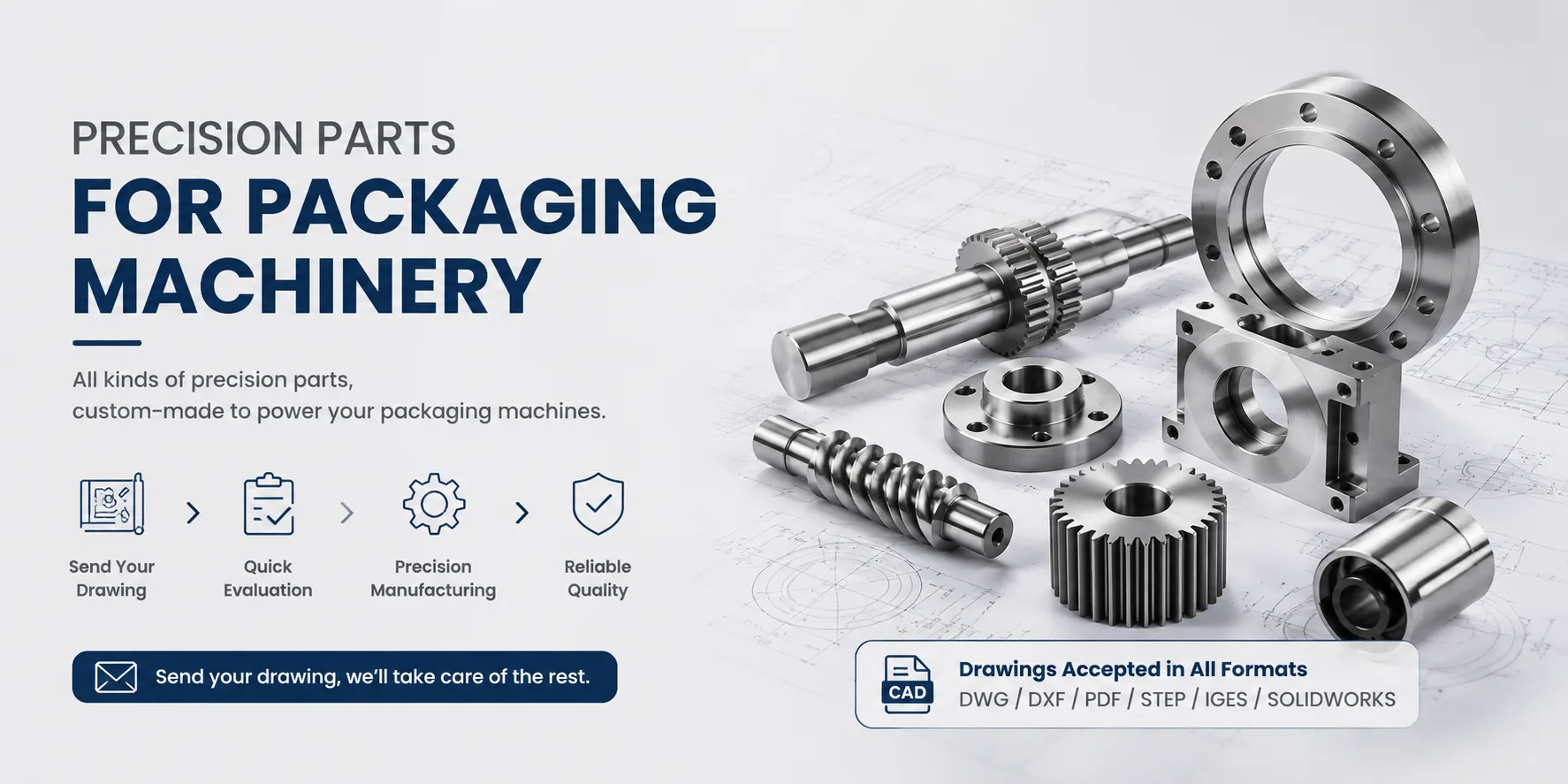
Clamping jaws, cutting blades, and positioning fixtures in these machines must be matched to the specific cap geometry and material. Hansheng Automation provides custom machining of such components based on customer drawings or samples.
3. Safety Precautions
Wear protective gloves during operation to avoid mechanical pinching or cuts from sharp edges.
Heat-melt models require burn protection, as the working temperature is usually set between 80°C and 150°C.
Equipment must be properly grounded and equipped with emergency stop buttons, complying with GB 5226.1-2019 mechanical electrical safety standards.
4. Application Scenarios
Food industry: Stainless steel machine bodies are preferred to meet hygiene requirements, complying with GB 4806.1-2016 food contact material standards.
Pharmaceutical industry: Clean hoods are required to prevent dust contamination, with an applicable cleanliness level of Class D according to GMP regulations.
Daily chemical industry: Corrosion-resistant design is needed to handle the composite materials commonly used in cosmetic bottle caps.