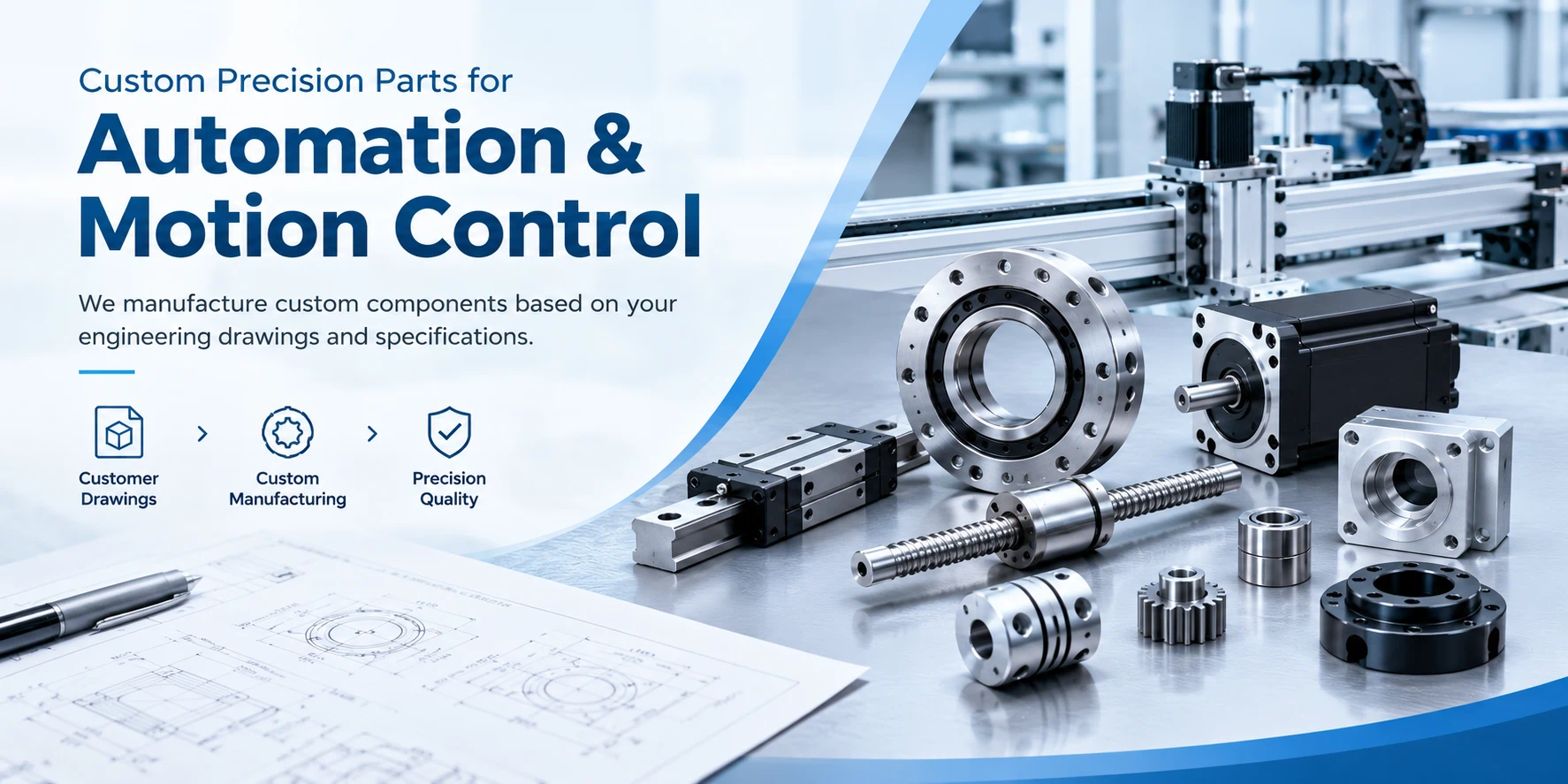
The automatic assembly line has multiple functions and roles, and the following is a detailed analysis:
1, Main functions
Automatic assembly line is a conveying equipment linked by some material handling equipment, used for continuous production lines. It is a special product oriented layout form and also an important assembly line equipment production technology. Its main functions include:
Material handling and transportation: The automatic assembly line can continuously and efficiently handle and transport materials, ensuring the smooth progress of the production process.
Product assembly and processing: On the assembly line, various components can be assembled and processed according to the predetermined process sequence to form a complete product.
Synchronous conveying and coordination: The automatic assembly line can ensure synchronous conveying between various workstations, so that each process can be coordinated and consistent, and improve production efficiency.
2, Specific function
Adapt to harsh environments:
Equipment performance is guaranteed: the automatic assembly line can adapt to harsh working environments such as high temperature and dust, ensuring the continuity and stability of production.
Efficient conveying capacity:
Large transportation volume: The assembly line can carry a large weight, meeting the needs of large-scale production.
Convenient stacking and transportation: The assembly line can conveniently store and transport materials, improving the flexibility and efficiency of the production line.
Flexible customization and expansion:
Diverse materials: The assembly line can be made of materials such as stainless steel or aluminum to meet the needs of different production environments.
Adjustable width: The width of the assembly line can be customized according to actual needs to adapt to the production of products of different sizes.
Adjustable conveying speed: The conveying speed of the assembly line can be adjusted according to production needs, improving the flexibility and adaptability of the production line.
High precision and stability:
Smooth conveying: The assembly line has a correct and stable speed during the conveying process, which can ensure accurate synchronous conveying and improve product quality.
Simplicity of construction: The assembly line has a simple structure, exquisite appearance, practicality, and no noise, providing comfortable working conditions for the production environment.
Highly automated and low-cost:
Highly automated operation: Automated assembly lines can reduce manual intervention, lower production costs, and improve enterprise production efficiency.
Ensure the stability of the production process: Through highly automated operations, the assembly line can ensure the stability and consistency of the production process, improving product quality and production efficiency.
3, Advantages in practical applications
In practical applications, automatic assembly lines also exhibit the following advantages:
Improve production efficiency: Through automated operations, assembly lines can significantly improve production efficiency and shorten product delivery cycles.
Reduce production costs: Automated operations reduce manual intervention, lower production costs, and enhance the competitiveness of enterprises.
Improving product quality: The high precision and stability of the assembly line can ensure the consistency and stability of product quality, and improve customer satisfaction.
Easy to maintain and upgrade: The assembly line has a simple structure, is easy to maintain and upgrade, and reduces the operating costs and risks of the enterprise.
In summary, automatic assembly lines have multiple functions and roles, which can significantly improve production efficiency, reduce production costs, enhance product quality, and bring significant competitive advantages to enterprises.