In an assembly line, multi-station welding machines fit processes that are mainly welding, have fast cycle times, and need controllable accuracy. Hydraulic drive fits assembly stations with heavy loads, high force, and closed-loop pressure control. Neither is absolutely better. The choice depends on station load, process, and cycle time.
Multi-station welding machines
Advantages
Welding cycle is controllable. A single station cycle, including positioning, welding, and cooling, is usually 3 to 10 s. Multiple stations working in parallel raise line capacity and suit fast cycle times.
Welding accuracy is controlled by servo positioning. Repeat positioning accuracy reaches ±0.1 mm. It suits welding of precision electronic and electrical components and small mechanical parts.
Integration is high. Automatic wire feeding, torch cleaning, and weld inspection mechanisms can be added for semi-automatic or fully automatic operation and less manual work.
Disadvantages
It only handles welding processes. It cannot cover drive needs for press fitting, lifting, conveying, and other non-welding assembly stations.
It is sensitive to grid fluctuation and electrode wear. Equipment maintenance depends on stable welding process parameters.
Initial investment is high. Changeover takes longer in high-mix, low-volume production.
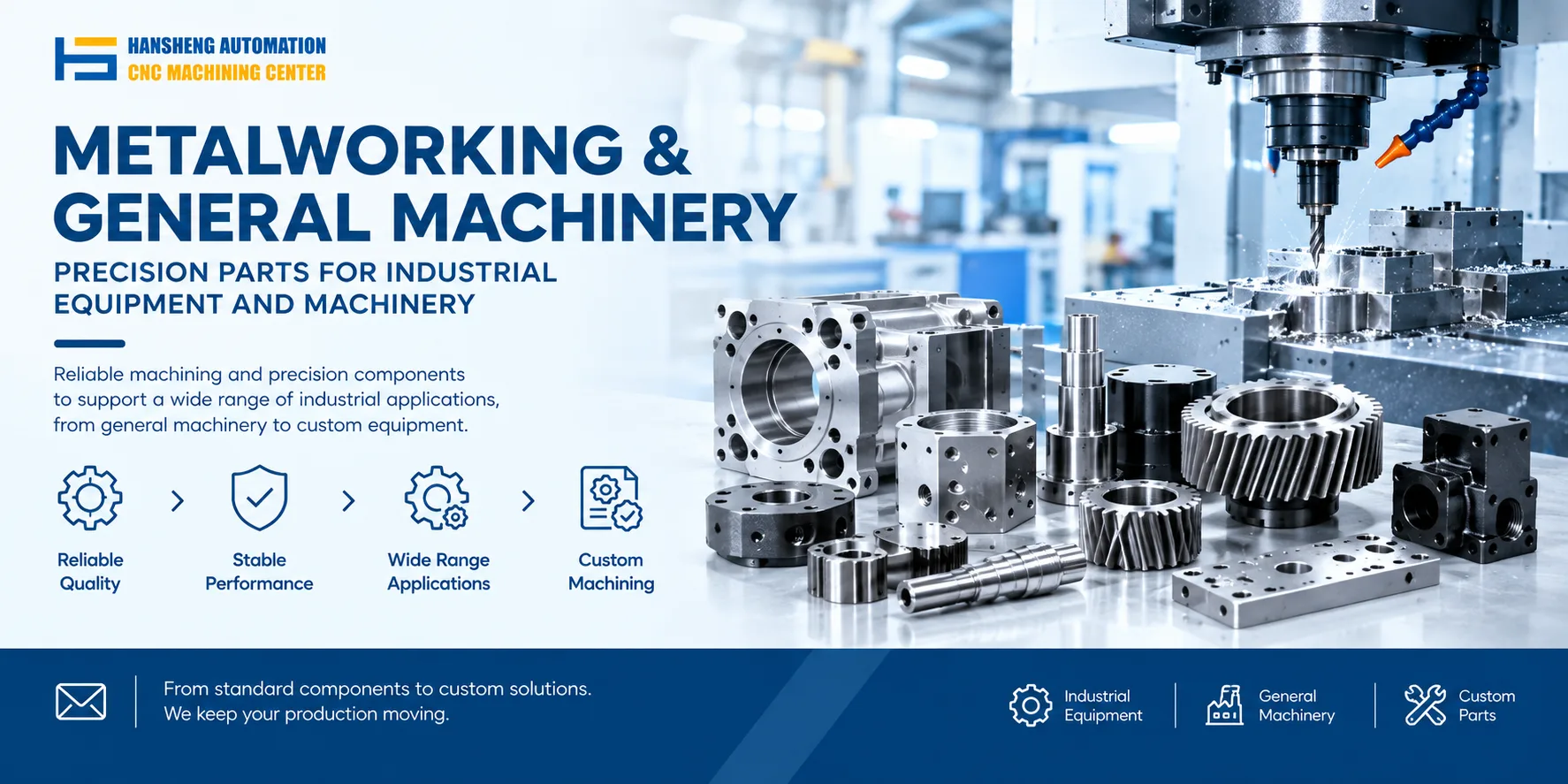
We can machine custom fixtures, locating blocks, connectors, and other precision parts for assembly lines from customer drawings, for single-piece or low-volume production.
Hydraulic drive solutions
Advantages
It can output high torque and high force. Maximum force per cylinder can reach tens of tons. It suits heavy-duty assembly stations in heavy machinery and chemical equipment.
Pressure control accuracy is high. Under closed-loop control, pressure repeat accuracy reaches ±0.5%. It suits press fitting, riveting, and other processes that need precise force.
Response is fast. It can start and stop quickly and move heavy loads smoothly. It suits assembly and conveying of heavy parts.
Disadvantages
Hydraulic oil leakage risk exists. Seals need regular inspection. Maintenance frequency is higher than welding machines, and environmental performance is slightly worse.
The system generates much heat and needs a cooling device. Energy consumption per unit time is slightly higher than electric drive of the same specification.
No-load noise is about 70 to 85 dB. Sites with strict noise limits need sound insulation, which adds line modification cost.
Safety boundary: hydraulic system working pressure is usually 16 to 32 MPa, which is high pressure. Before maintenance and repair, the system must be depressurized first. Only certified professionals may operate it. Do not adjust the relief valve setting without authorization.
Our custom precision component machining capability is not limited to assembly line welding and hydraulic drive. Beyond fixtures, locating blocks, connectors, and seal seats, we also machine yacht precision components, RC car structural parts, medical device parts, and non-standard parts for food packaging machinery, printing machinery, and textile machinery. Hansheng Automation works from customer drawings and production quantities to deliver single-piece or low-volume precision machining.