Slotting and die-cutting do different jobs. A slotting machine makes regular slotted cartons (RSC). It cuts the flap slots. A die-cutting machine uses a die board to cut, crease, and form material in any direction. Flatbed and rotary describe how the die and the impression surface meet. The right choice depends on box style, run length, and design complexity.
Slotting machine vs die-cutting machine
Slotting machine
It makes flat-mouth boxes, or regular slotted cartons. It cuts the slots for the flaps. Most machines cut slots in one direction only. This fits simple box forming. It runs well in high-volume carton production.
Die-cutting machine
It needs a die board. The die board can cut, crease, and form material in any direction. It is used on non-metal materials, adhesive labels, EVA, double-sided tape, electronics, and phone adhesive pads. It also handles die-cutting, creasing, and hot stamping.
Flatbed and rotary die-cutting
Flatbed
A flatbed die-cutting machine uses flat die plates and a flat impression plate. It fits simple shapes and smaller die-cutting areas.
Rotary
A rotary die-cutting machine uses a cylindrical die. The die rotates continuously. It fits complex shapes and larger die-cutting areas. It can run at high speed and hold high accuracy.
When to use slotting, when to use die-cutting
Slotting
Use slotting for regular slotted cartons. You need flap slots. The machine is simple to operate. It suits large carton runs.
Die-cutting
Use die-cutting for complex shape cutting, creasing, and forming. The die board can be changed to match the design. In packaging plants, die-cutting machines make boxes of different shapes and sizes, labels, adhesive labels, and similar products.
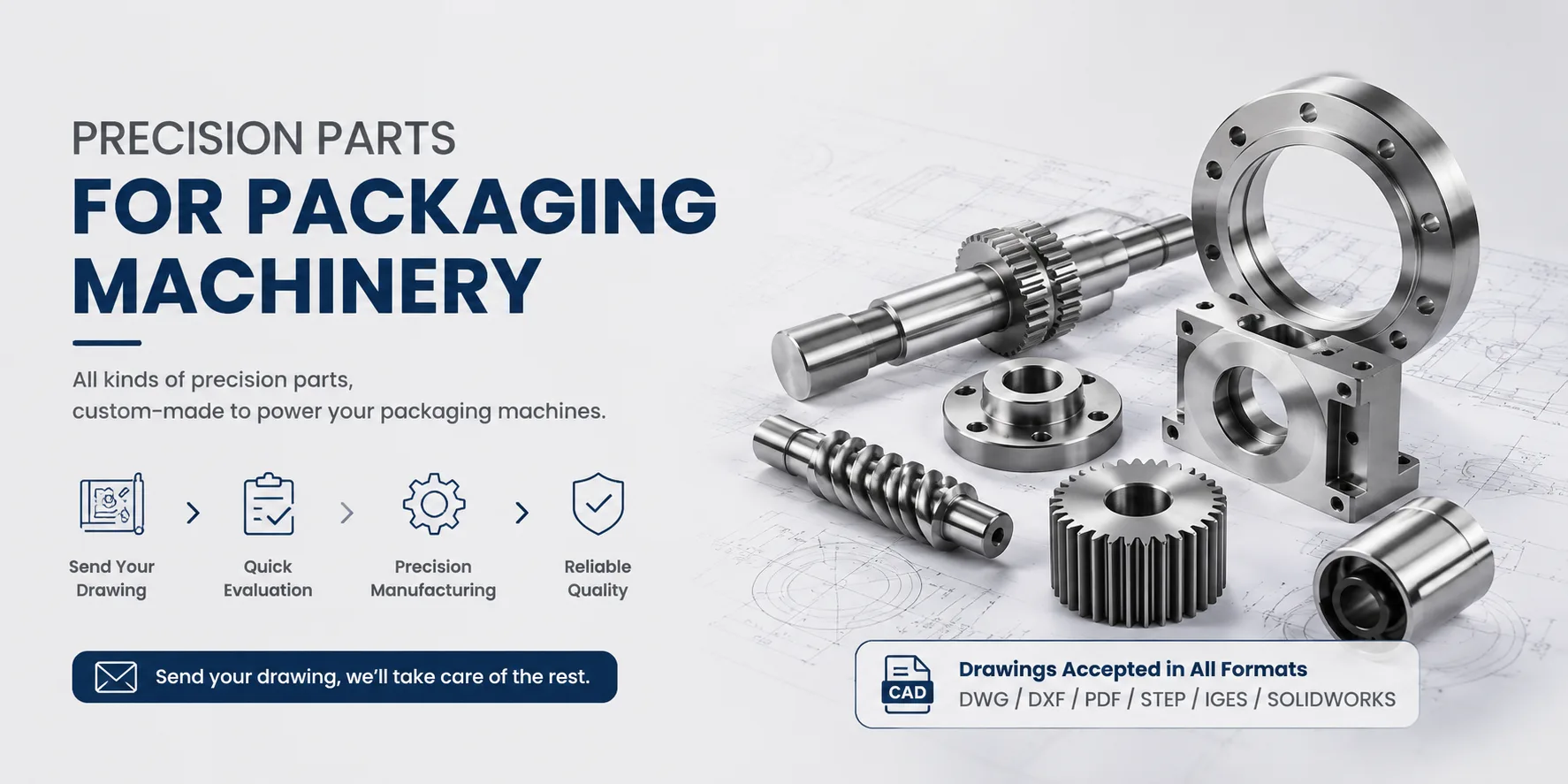
Slotting machines and die-cutting machines each have their place. Pick the process based on production needs and product design. Hansheng Automation machines replacement and custom parts for slotting and die-cutting equipment, including slotting blades, die boards, and rotary die cylinders, from customer drawings for one-off and small-batch orders.