Installing the filter screen correctly is important for maintaining stable powder discharge, reliable sealing, and safe equipment operation. The replacement screen should match the equipment model, material requirements, installation dimensions, and working conditions. Maintenance personnel should follow the manufacturer's instructions and the site's equipment safety procedures throughout the installation.
1. Preparation Before Installation
Check the Filter Screen and Work Area
Select a filter screen that matches the equipment specifications. Before installation, verify the mesh size, material, flange dimensions, and positioning structure.
For general materials, stainless steel such as 304 may be suitable. Food and pharmaceutical applications may require 316L stainless steel, while corrosive materials may require more resistant alloys. The actual material should be selected according to the processing environment and equipment requirements.
Clean the installation area and prepare suitable tools, including a torque wrench, hex keys, appropriate sealing materials, and lint-free cleaning cloths.
Before opening the equipment, disconnect the main power supply and apply the required lockout/tagout procedure. Make sure the machine has stopped completely and that internal components have cooled to a safe temperature.
2. Key Installation Requirements
Flange and Sealing
Clean the flange surfaces around the grinding and discharge chambers, removing powder residue, oil, rust, and other contaminants. The surfaces should be clean and free from obvious damage.
Position the sealing gasket correctly between the mating surfaces. The gasket should remain centered and should not show signs of aging, deformation, or damage.
Place the filter screen evenly on the mounting surface without folds or looseness. Tighten the fastening bolts gradually in a diagonal sequence to distribute the clamping force evenly and reduce the risk of flange deformation. The specified tightening torque should follow the equipment manufacturer's documentation rather than a universal value.
Positioning and Clearance
If the filter screen uses positioning clips or locating structures, align them correctly with the corresponding slots on the machine.
After installation, manually rotate the rotor when permitted by the equipment design and safety procedure to confirm that the rotor does not contact the filter screen. Check that the clearance is even and that there is no binding or abnormal friction.
3. Post-Installation Inspection
After confirming that all guards and components are correctly installed, perform a brief jog test according to the equipment operating procedure. Check for filter-screen movement, abnormal noise, or mechanical interference.
Then perform a short no-load test run and inspect the flange connections for powder leakage. Any leakage should be corrected by checking the gasket position, fastener tightening, and sealing surfaces.
A small amount of test material can then be introduced to verify that the filtered material is discharged smoothly without blockage.
For proper maintenance records, document the installation date, filter-screen model, relevant tightening parameters, and test-run results.
4. Safety Considerations
For explosion-protected ultrafine pulverizers, all filter screens, sealing materials, and related components must be compatible with the required explosion-protection classification. Installation and maintenance should also follow the applicable site safety procedures.
If the machine shows an overload alarm, abnormal vibration, unusual noise, or blocked discharge during commissioning, stop the equipment and identify the cause before continuing operation.
During routine maintenance, inspect the filter screen regularly for wear, deformation, blockage, or damage. Replace defective components promptly to prevent reduced processing efficiency or powder leakage.
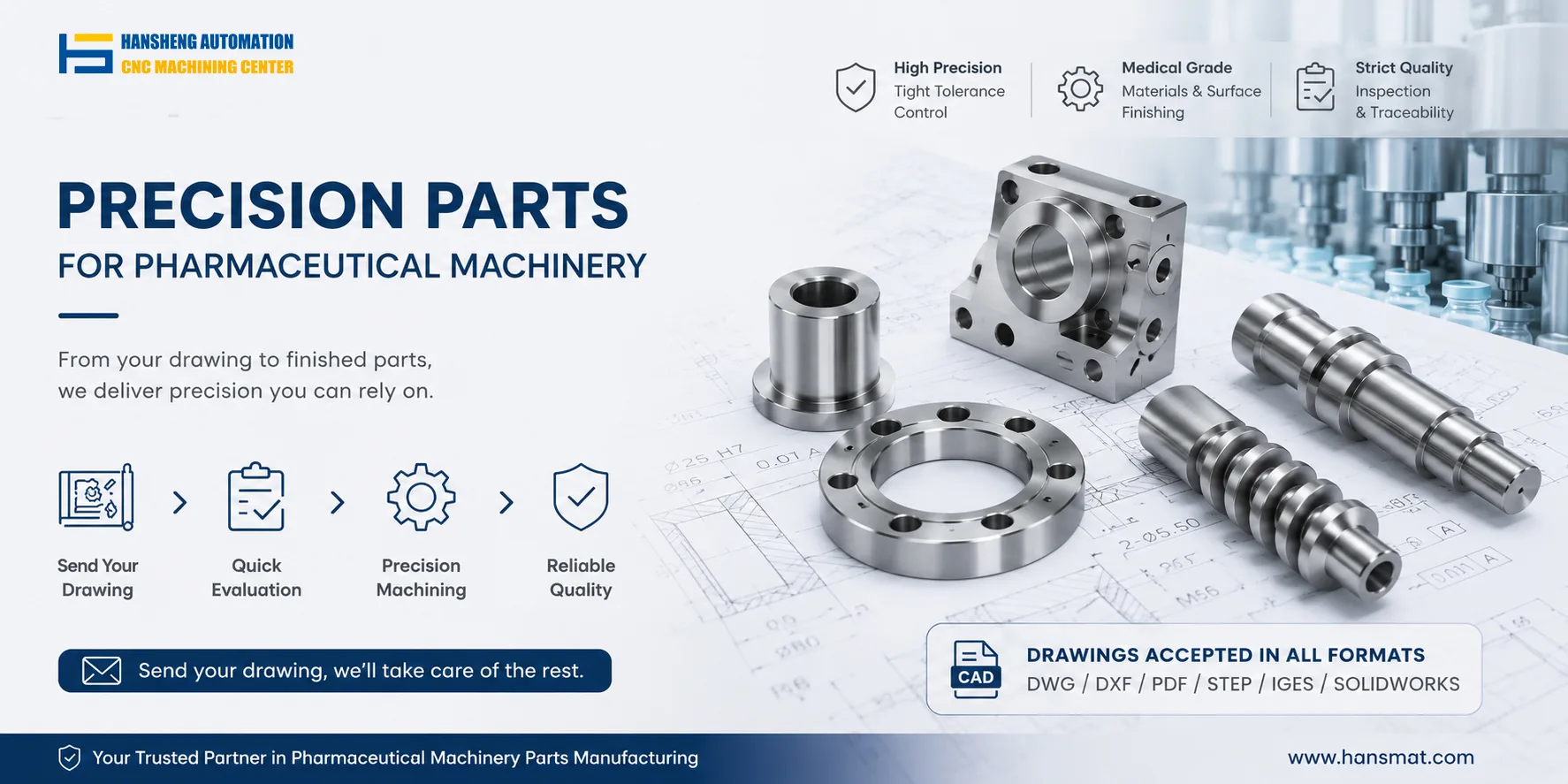
For customers requiring replacement or customized mechanical components for pulverizing equipment, Hansheng Automation can manufacture precision parts according to customer drawings and technical specifications, supporting non-standard filter supports, housings, shafts, mounting components, and other machined parts used in powder-processing equipment.