In electronics manufacturing, reflow soldering is a critical process for securely attaching electronic components to a circuit board. Ordinary reflow soldering and nitrogen reflow soldering are two primary reflow techniques, each with distinct characteristics and applicable scenarios.
1. Ordinary Reflow Soldering
Working principle: Ordinary reflow soldering relies mainly on heated air. As the circuit board enters the reflow oven, hot air surrounds the board evenly. As the temperature rises, the solder powder in the solder paste melts and forms connections with component leads and pads. The temperature then gradually decreases, and the solder re-solidifies to create stable joints.
Equipment and process: Ordinary reflow soldering equipment includes various types, such as hot-air reflow ovens and infrared reflow ovens. Hot-air reflow ovens use heaters and fans to circulate hot air inside the chamber, while infrared reflow ovens transfer heat through radiation. The process is generally divided into single-side and double-side assembly, suitable for circuit boards of different layer counts and sizes.
Advantages and limitations: Ordinary reflow soldering has a relatively low cost, simple operation, and broad applicability. However, because it takes place in air, oxygen can oxidize the solder at high temperatures, reducing joint reliability. For high-precision components or ultra-fine-pitch devices, the soldering results may be less satisfactory.
2. Nitrogen Reflow Soldering
Unique principle: Nitrogen reflow soldering introduces nitrogen into the reflow oven to create a low-oxygen or oxygen-free environment, preventing solder oxidation at high temperatures. As an inert gas, nitrogen barely reacts with solder, ensuring that soldering takes place in a clean atmosphere.
Core equipment and process considerations: In addition to the heating and fan systems found in ordinary reflow ovens, nitrogen reflow equipment includes a nitrogen generator, nitrogen flow control devices, and oxygen content monitoring equipment. Nitrogen purity must typically reach 99.99% or higher, and the oven chamber must be effectively sealed.
Notable advantages: Nitrogen reflow soldering greatly reduces oxidation, producing smooth and bright solder joints with significantly improved reliability. It is suitable for soldering high-value components such as advanced chips and precision sensors. At the same time, lower defect rates help control overall production costs.
3. Detailed Comparison
Soldering atmosphere:
Ordinary reflow soldering: Performed in air with relatively high oxygen content, which can cause solder oxidation.
Nitrogen reflow soldering: Performed in a nitrogen environment where oxygen is displaced, reducing solder oxidation.
Soldering quality:
Ordinary reflow soldering: Joint surfaces may be rough or dull, with possible defects such as solder balls or burrs.
Nitrogen reflow soldering: Joints tend to be smooth and uniform, with higher reliability.
Cost structure:
Ordinary reflow soldering: Lower initial equipment cost and manageable operating cost, suitable for startups or small-batch manufacturers with limited budgets.
Nitrogen reflow soldering: Higher initial investment and operating costs including electricity and nitrogen consumption, as well as higher maintenance expenses. In the long term, however, reduced defect rates and higher product value can deliver better overall returns.
Application scenarios:
Ordinary reflow soldering: Suitable for entry-level consumer electronics where cost sensitivity is high and soldering quality requirements are less demanding.
Nitrogen reflow soldering: Suitable for high-end smartphone motherboards, aerospace electronics, advanced medical instrument circuit boards, and other applications where product performance and reliability are critical.
4. Future Development Trends
As the electronics industry continues to evolve, both ordinary and nitrogen reflow soldering will face new challenges and opportunities. Ordinary reflow soldering will continue to improve thermal uniformity and reduce energy consumption, while nitrogen reflow soldering will expand into advanced fields such as high-end chip packaging and quantum computing hardware. Both technologies will continue to drive progress in electronics manufacturing.
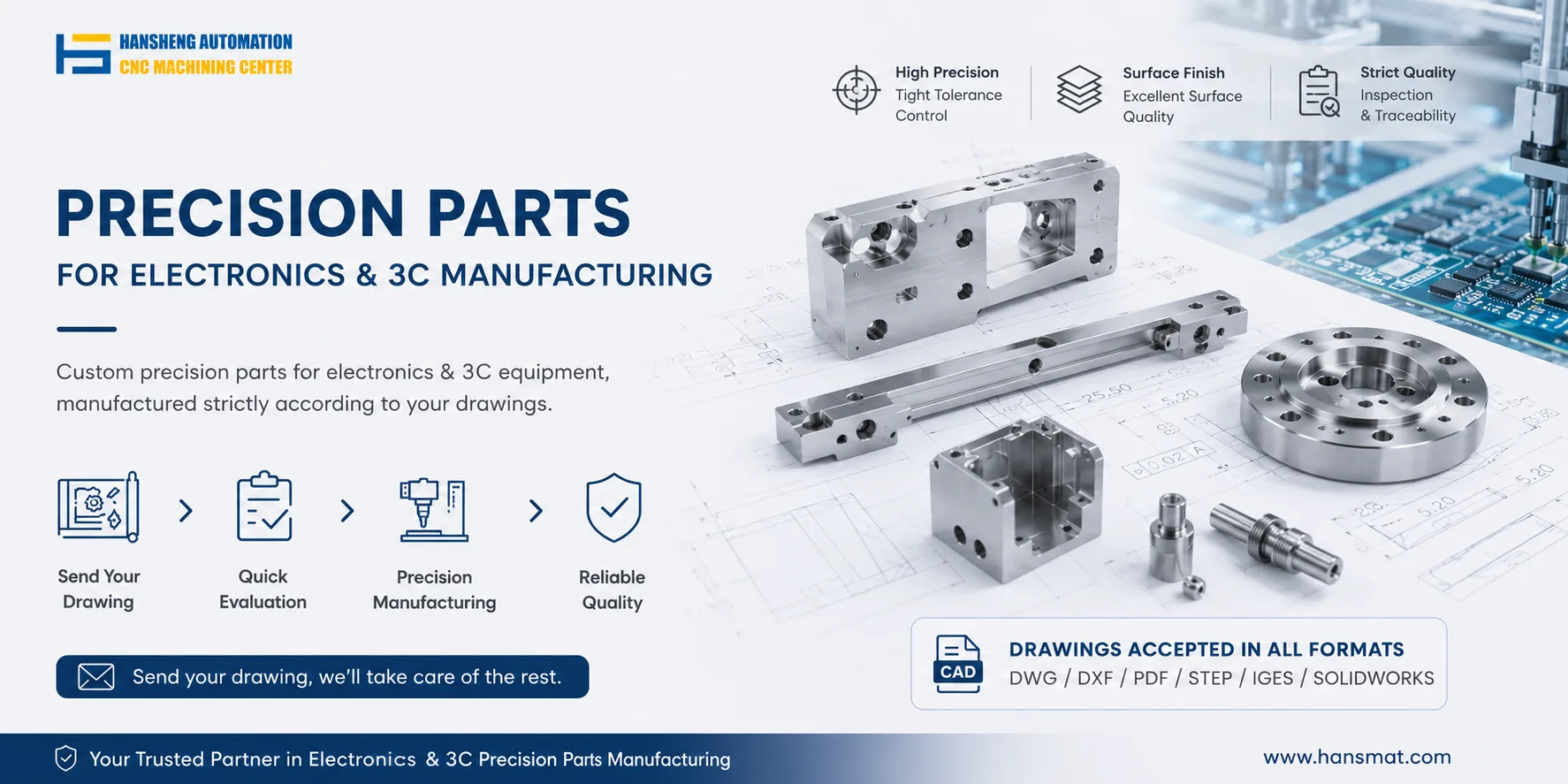
For non-standard parts used in either type of reflow oven-such as heating modules, conveyor rails, or nitrogen flow control components-Hansheng Automation provides custom machining services based on customer specifications.