Mold growth inside a fluid bed dryer is typically caused by trapped material residues, post-shutdown condensation, and geometric cleaning dead zones. Eradicating mold and preventing recurrence requires systematic mechanical cleaning, chemical decontamination, and structural optimization:
1. Component Disassembly and Deep Chemical Cleaning
Soaking Removable Parts: After locking out power, disassemble bottom air distribution plates, filter bag cages, and cyclone flow components. Soak parts in a 3% hydrogen peroxide solution or validated sanitary disinfectant for 30–60 minutes, scrub thoroughly with nylon brushes, and rinse with deionized water until free of residues. If using chlorine-based agents, contact time must be strictly limited to prevent stainless steel pitting.
Chamber Decontamination: Wipe down the internal walls of the fluidization and expansion chambers from top to bottom using lint-free cloths soaked in disinfectant, thoroughly removing residual powders and mold deposits.
2. Thermal Sanitization and Dry-Out
Following wet cleaning and rinsing, run the equipment empty with clean hot air (set at 80°C–100°C) for 30–45 minutes. The continuous dry heat denatures remaining mold spores while fully evaporating residual moisture in internal recesses.
3. Dead-Zone Elimination and Precision Component Optimization
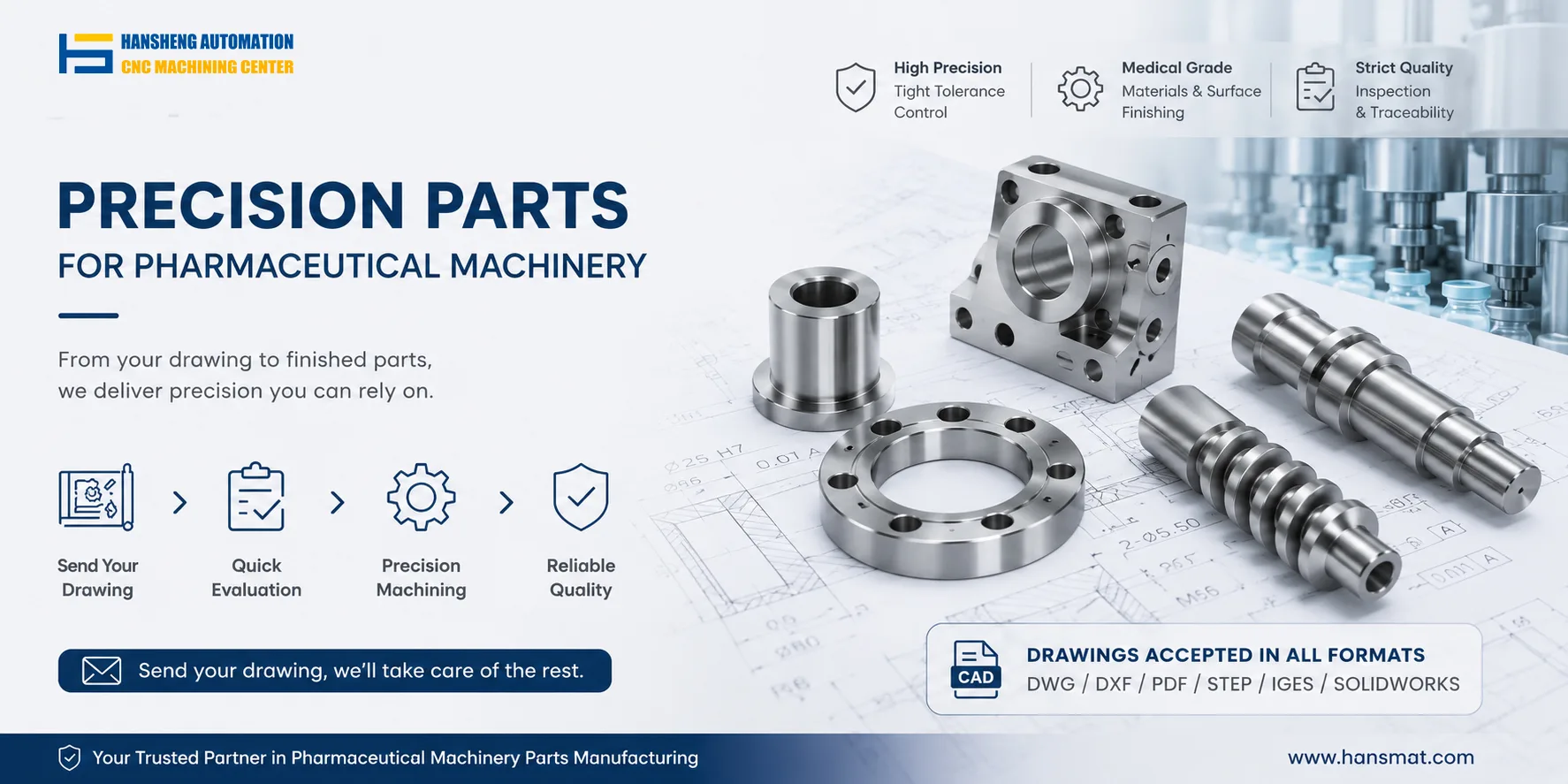
Microbial harboring often occurs within flange gasket recesses, plate edges, or micro-cracks where moisture accumulates. To address hard-to-clean geometric traps, Hansheng Automation custom-machines sanitary air distribution plates with radius-blended transitions, crevice-free clamp flanges, and electropolished (Ra≤0.4μm) filter support cages based on customer engineering drawings, eliminating micro-retention dead zones at the hardware level.
4. Environmental Humidity Control and Routine Maintenance
Cleanroom relative humidity (RH) should be maintained below 45%. After each production batch, promptly clear bed residues, run an automated drying purge, and perform scheduled preventative wipe-downs with 75% ethanol during downtime.