Large workpiece magnetic grinding and polishing follows a sequence of pre-preparation, clamping and positioning, set operating parameters, and final inspection. Stable clamping, matched media, and running parameters within the rated load matter most.
1. Pre-preparation
1.1 Workpiece pre-treatment
Remove welding slag, burrs, and oil from the workpiece surface. Wipe clean with anhydrous ethanol or a dedicated metal cleaner. This prevents contaminants from interfering with abrasive media attraction.
Check total loaded volume. It must not exceed 65% of the rated volume of the grinding chamber. This avoids blocking media flow.
1.2 Media and equipment check
Match the abrasive media: carbon steel workpieces use steel needles; stainless steel and aluminum alloy workpieces use stainless steel grinding beads; precision workpieces use ceramic media. For large workpieces, use media with diameter ≥3 mm to prevent it from sticking in gaps or being lost.
Add media according to the machine manual. Fill level should be 60% to 70% of the grinding chamber volume. Leave enough space for workpiece and media movement.
Check grounding and power lines. Run an empty test for 1 to 2 minutes. Confirm no abnormal noise or vibration.
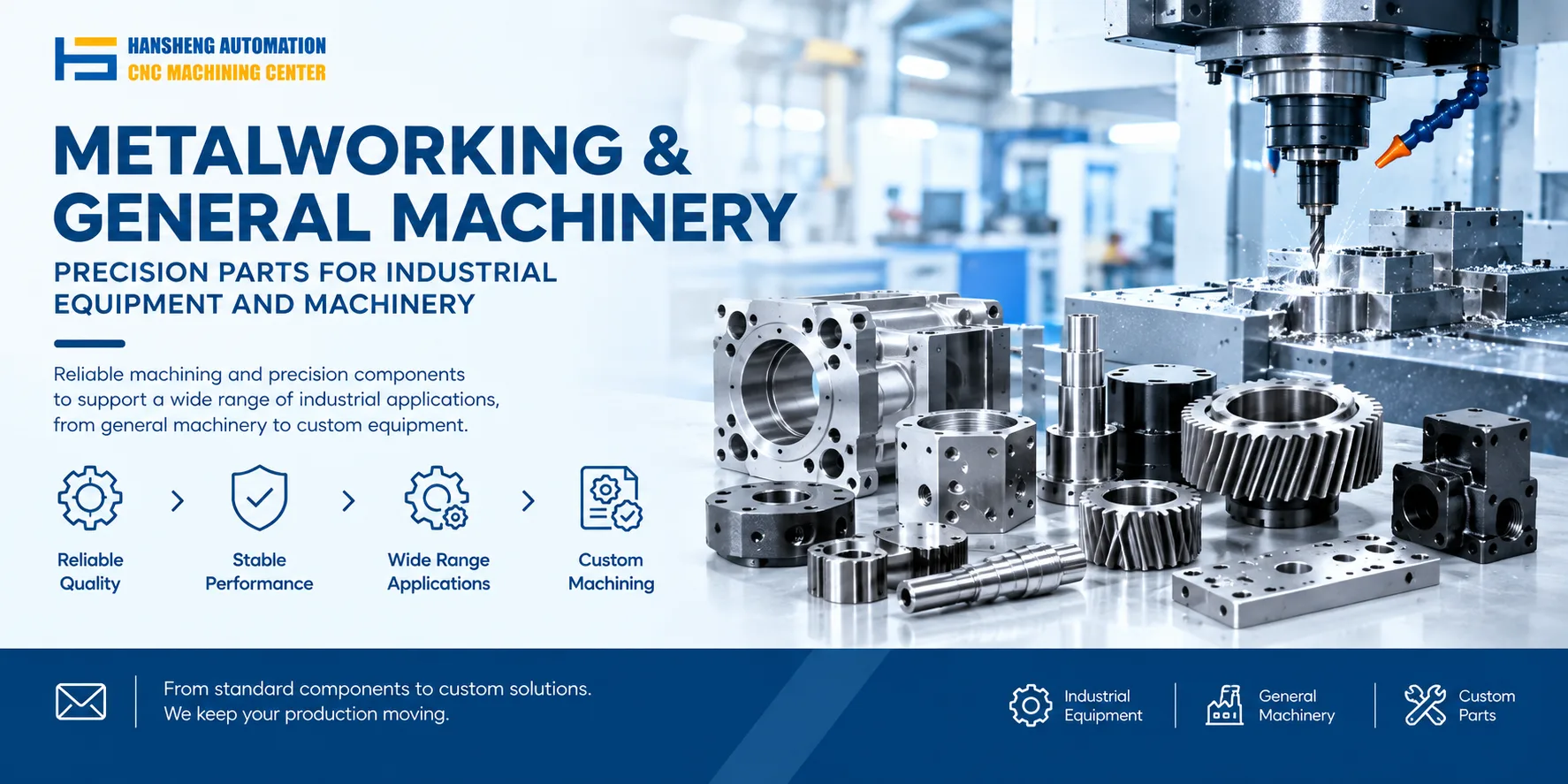
If a magnetic clamping tool or locating bracket needs to be made to workpiece size, we can machine it from customer drawings, in single pieces or small batches. Hansheng Automation works to drawing dimensions and assembly clearances.
2. Workpiece clamping and positioning
2.1 Small single large workpiece
Use a magnetic fixture to attach it directly to the machine table. Confirm holding force is at least twice the workpiece weight to prevent movement during operation.
2.2 Large irregular or multiple workpieces
Weld a temporary stainless steel locating bracket. Fix the workpiece to the bracket, then lock the bracket to the machine table with bolts. Do not leave the workpiece suspended.
2.3 Clearance
Keep the surface to be machined fully exposed. Leave 10 to 15 mm clearance from the fixture and chamber wall to allow full media flow.
3. Operation
3.1 Start-up
Lock the grinding chamber door. Start the machine empty for 3 minutes. Confirm smooth operation.
3.2 Speed increase
Raise speed gradually to the recommended speed for large workpieces, usually 1200 to 1800 r/min. Follow the machine manual parameters strictly. Do not start at full load directly.
3.3 In-process checks
Stop every 15 minutes to check the workpiece fixing status and media for buildup or caking. If media clusters, pause the machine and clean it.
3.4 Processing time
Adjust single processing time by roughness requirement: rough polishing 20 to 30 minutes, fine polishing 40 to 60 minutes. Continuous operation must not exceed 2 hours to prevent overheating damage.
3.5 Safety
Wear safety glasses throughout. Do not put any body part into the grinding chamber area while the machine is running.
4. Finishing and quality inspection
4.1 Shutdown
After processing, reduce speed to idle first. Open the chamber door only after the machine fully stops to prevent abrasive media splashing and injury.
4.2 Cleaning
Remove the workpiece and blow off residual media with compressed air. Rinse with clean water and dry.
4.3 Roughness check
Check surface roughness: after rough polishing, Ra should reach 1.6 to 3.2 μm; after fine polishing, Ra should reach 0.4 to 0.8 μm. Nonconforming workpieces can be locally re-polished.
4.4 Cleanup
Clean residual media inside the machine. Apply rust protection to fixtures and clamps. Turn off main power.
Our precision parts machining service is not limited to magnetic grinding and polishing machines. Hansheng Automation can machine custom parts from drawings for hydraulic equipment parts, textile machinery parts, medical device parts, and automotive tooling fixtures. We also cover yacht precision fittings, RC car structural parts, and food packaging machinery parts. Single pieces and small batches are both available, with attention to material, tolerance, surface finish, and assembly fit.