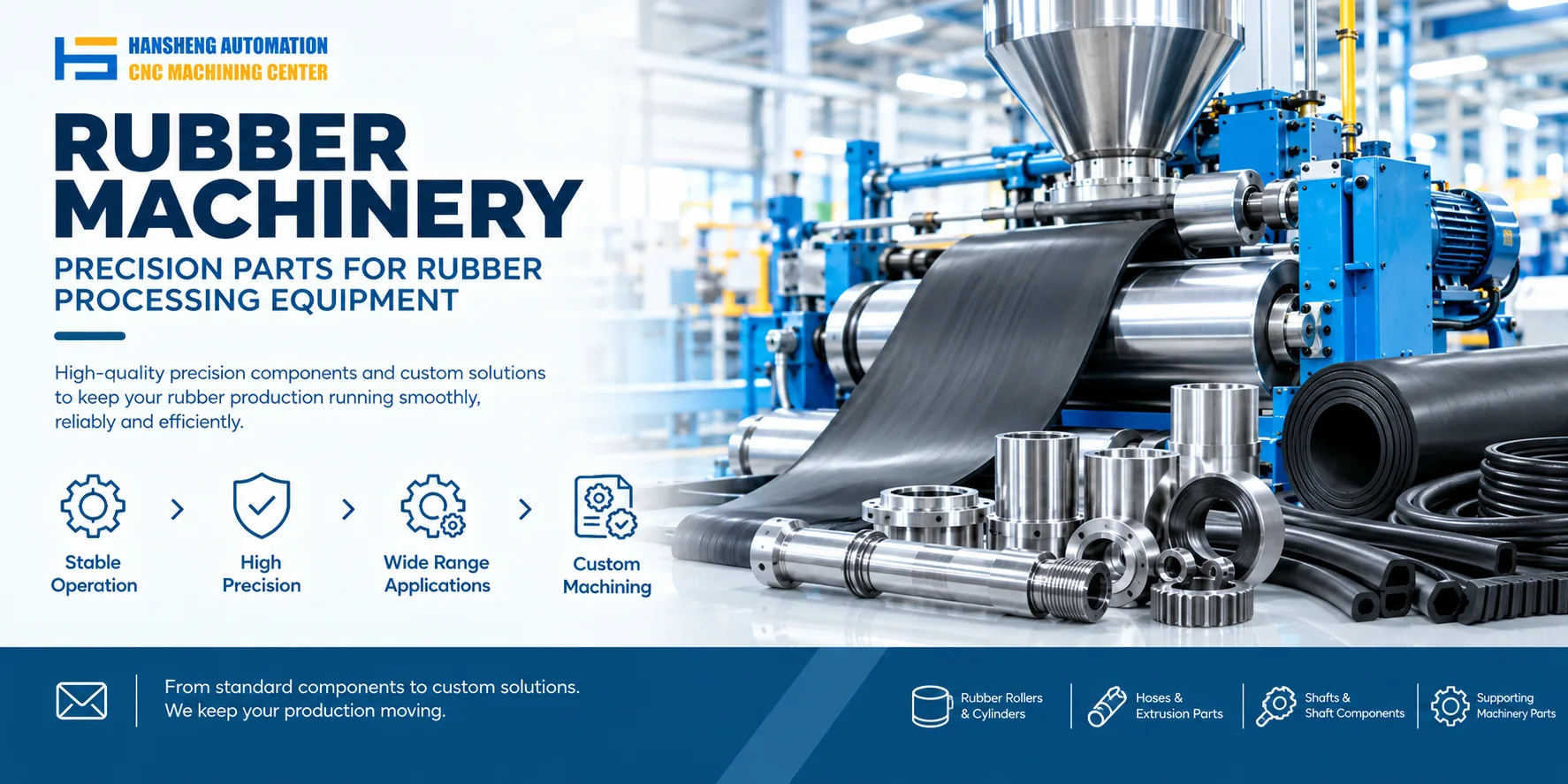
Operating a four roll calender involves starting the hydraulic system, heating the rolls, feeding a small amount of rubber compound for testing, measuring the sheet thickness, and adjusting the roll gap. The heating conditions and gap settings must match the rubber compound and the requirements of the calendering process.
Start the oil pump and main machine
Start the oil pump first to establish a stable hydraulic supply. Once the oil pump is running normally, start the main calender drive to prepare the machine for operation.
Heat the rolls to the required temperature
Heat each roll according to the processing requirements. The required temperature and heating time depend on the rubber compound and the process parameters. Allow the rolls to reach the specified temperature before feeding material through the machine.
Feed a small amount of rubber compound
Once the roll temperature reaches the required level, pass a small amount of warm, pre-masticated rubber compound through the roll gaps. This initial run helps bring the rolls into the working process and allows the operator to check the calendering result before proceeding with normal production.
Measure the rubber sheet thickness
Take a sample of the rubber sheet produced during the trial run. Use a dial indicator to measure its thickness and check whether the result meets the process requirements at the current roll gap setting.
Adjust the roll gap
Compare the measured thickness with the specified target. Adjust the roll gap accordingly, then check the resulting sheet thickness again. Repeat the adjustment as necessary until the sheet meets the required thickness.
Monitor operating conditions during production
After completing the initial adjustments, the four roll calender can proceed to normal production. During operation, monitor roll temperature and rubber sheet thickness to identify deviations and maintain consistent product quality.
Hansheng Automation also provides custom machining of precision components for rubber processing machinery and other industrial equipment. We manufacture nonstandard parts according to customer supplied drawings, including components for tobacco packaging machinery, filling equipment, yachts, and remote control racing cars. Machining requirements are determined by the component design and drawing specifications.