A pneumatic manual steel strapping tool uses compressed air to tension, seal, and cut steel strap. The operator controls the tool, but the air system does the heavy work. The cycle has four stages.
Air supply and startup
Connect the tool to a compressed air source. Press the start switch. The air motor turns and converts air pressure into mechanical energy. This drives the rest of the cycle. The tool feeds the strap automatically and wraps it around the package.
Strap tensioning
The tensioning jaw grips the tail of the steel strap. A pneumatic ratchet or hydraulic tensioning mechanism pulls the strap around the package. Tension rises to the set value. The strap then sits tight against the package surface and closes the gap.
Seal crimping
When tension reaches the set point, the seal is pushed to the overlap. The pneumatic pressing head moves down. It presses the strap and seal together. The steel strap deforms plastically, and the seal locks the strap in place. This forms the self-locking joint.
Cutting and reset
After the seal is crimped, the pneumatic cutter cuts the extra strap tail. All working parts then reset. The tool releases the strap and seal, and the cycle is complete.
Some models have a tension adjustment knob. The operator can set tension based on package weight. This avoids damage from too much tension and loose strapping from too little. Check that air supply pressure matches the rated value before operation. Wrong pressure can cause faults.
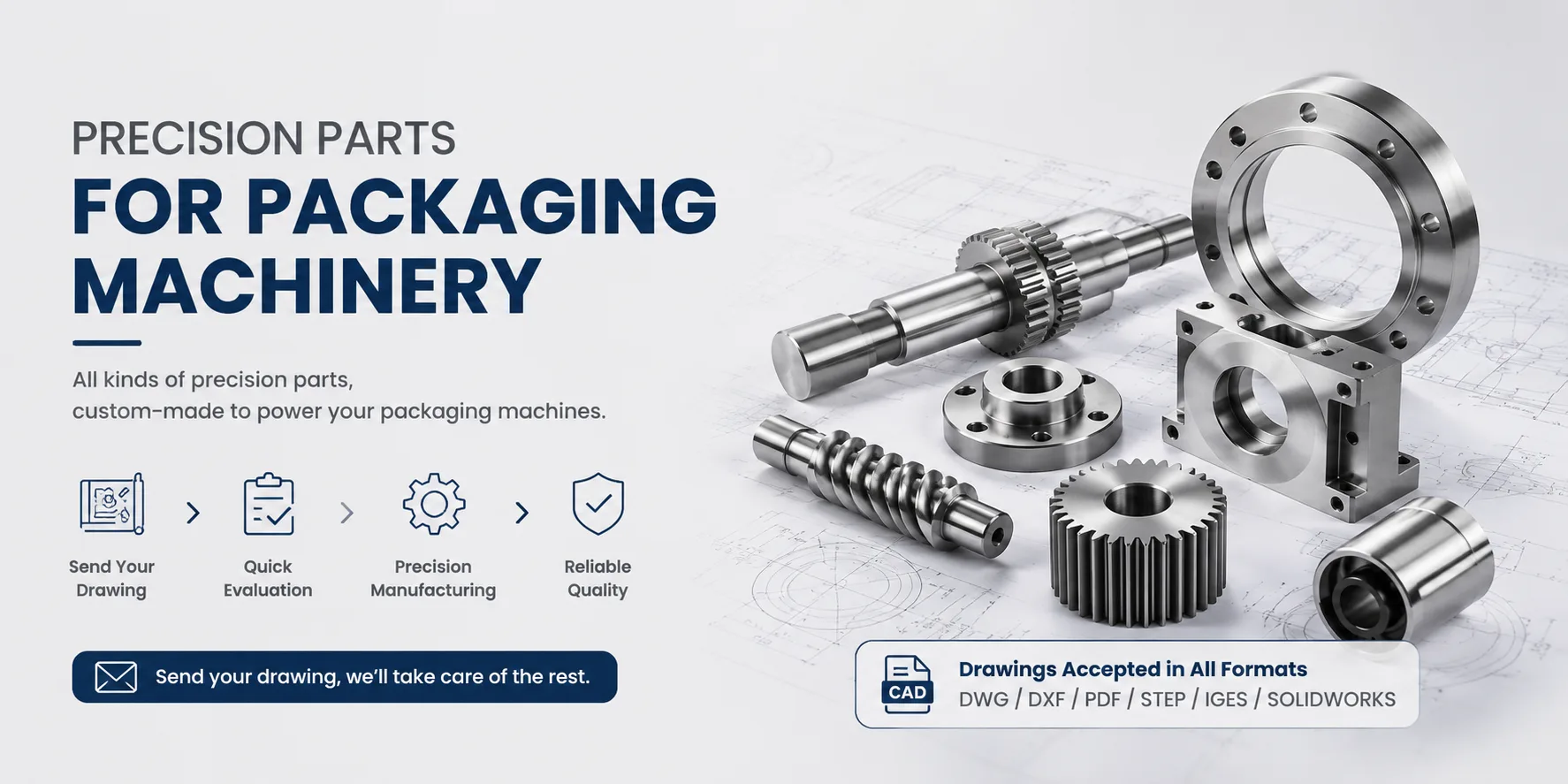
When a tensioning jaw, seal pressing head, cutter, or other wear part reaches its limit, Hansheng Automation can machine a replacement from customer drawings. We match material, tolerance, and surface treatment to the tool and working conditions. Hansheng Automation also machines custom precision parts for filling machinery, tobacco packaging machinery, yacht components, and RC car components. We work from customer drawings for single pieces and small batches.