Less manual work
Unlike box-type or bag-type packaging machines, stretch film machines need fewer workers. Packaging speed is high. A few operators placing product are enough. This cuts labor cost and helps with hiring and staff management.
Automatic bag making
No pre-made bags are needed. The machine makes the bag from stretch film. It heats the film, forms a container shape with a forming die, fills product into the formed cavity, vacuum seals, and cuts the pack into single units. Sheet film forming works like automatic bag making. It supports punching, custom seal styles, and easy-open tear notches to meet different product and consumer needs.
Fast packaging
Among the four packaging machine types, stretch film machines run at high speed. They finish large volumes quickly and raise production efficiency for large-scale production.
Limited product size range
They fit small products. For very large packages, this format costs more. In that case, choose double-chamber or roll-type automatic packaging machines based on output.
Consumable cost tied to machine performance
Stretch film costs more. 1,000 kg of stretch film costs 30,000 yuan. One year of film use may cost as much as one machine. A poorly running machine wastes film. Poor sealing wastes film and raw material. A machine with good performance is important for cost control.
Multiple packaging functions
It can run vacuum, gas flushing, and sealing packaging for products such as marinated eggs, preserved eggs, roast duck eggs, salted duck eggs, salt-baked eggs, and ready-to-eat lion's head meatballs. This meets different food packaging needs and helps keep quality and freshness.
Complete packaging process
Both upper and lower films are sheet film. The upper film is a composite film. The lower film is stretch film. The lower film is gripped by chains and pulled into the forming die. Heat and air pressure form the needed cavity shape. Product is placed into the formed lower film in the loading area. The chain moves it into the sealing die. There the upper film is applied to the lower film. Vacuum is pulled first, then sealing, then exhaust and die lowering. The pack moves on. A moving inkjet system prints the production date. The cross-cut station cuts packs into single rows. The longitudinal cutting device then cuts lengthwise so each product becomes a single pack.
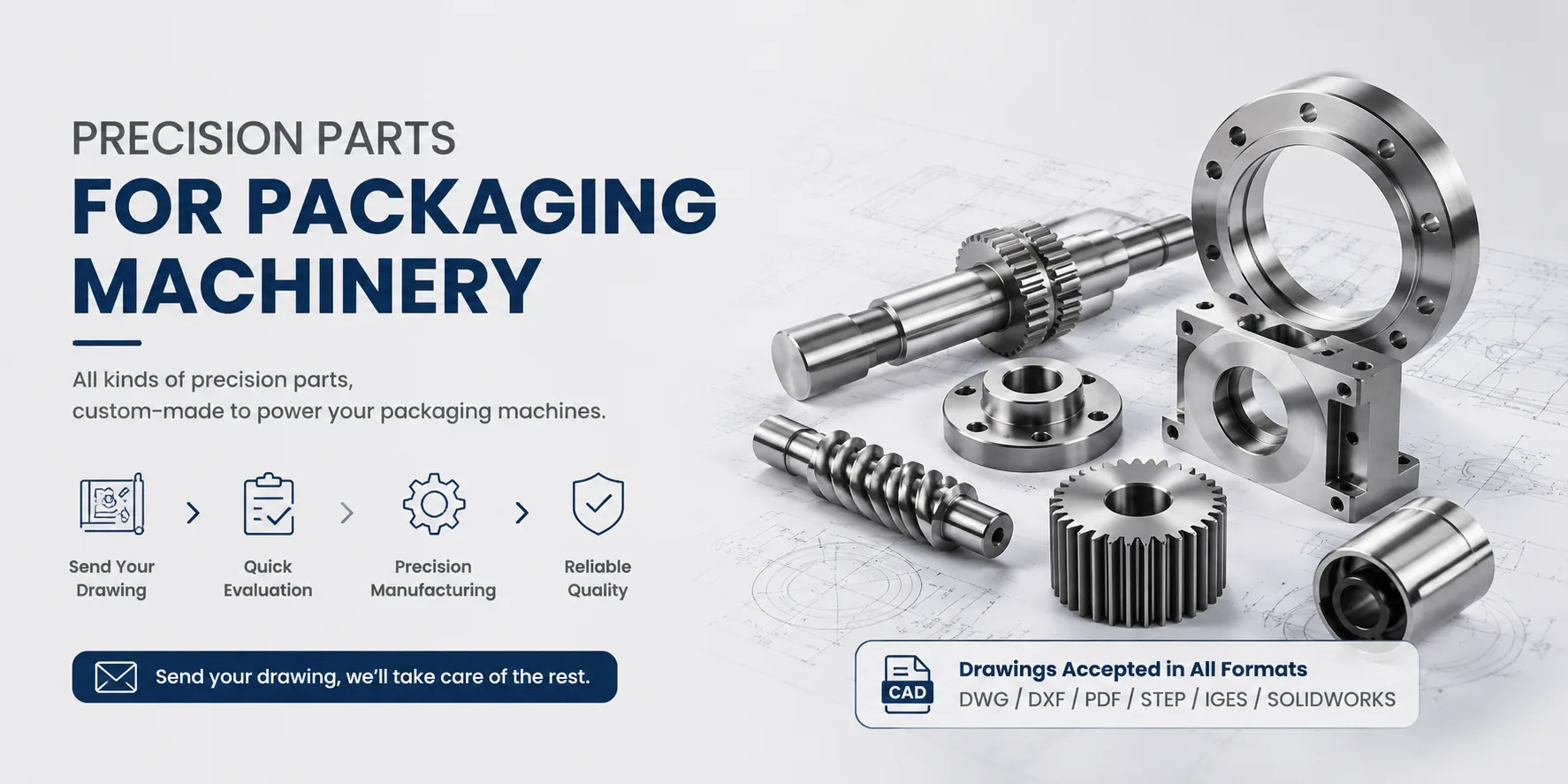
Hansheng Automation machines replacement and custom parts for stretch film packaging machines from customer drawings for one-off and small-batch orders.