The core differences between single-head and dual-head engraving machines lie in efficiency, flexibility, and application suitability. Dual-head models are better suited for batch production, while single-head machines are more appropriate for fine detail work or small-scale custom processing.
1. Working Efficiency
A single-head engraving machine can only process one position at a time, so batch work or large-area tasks take longer. A dual-head machine uses two spindles working synchronously, allowing multiple positions to be engraved at the same time. This typically improves efficiency by about 30% to 50%, especially for repeated processing of standard parts.
2. Processing Flexibility
Single-head machines have a simpler structure, which makes it easier to adjust angle and path during fine engraving. They perform well in 3D relief work and micron-level precision engraving. Dual-head machines require the control system to coordinate the distance between two engraving heads, and complex toolpaths may create a risk of interference. They are more suitable for flat batch engraving.
3. Purchase and Maintenance Cost
Single-head machines usually have a lower purchase cost, often within RMB 10,000, and require only one spindle and matching tooling. Dual-head machines are generally 40% to 60% more expensive. Maintenance is also more demanding because both spindle belts need to be replaced at the same time, and dual-axis alignment must be checked regularly, which increases labor costs.
4. Application Scenarios
Single-head engraving machines are commonly used in cultural and creative studios, jewelry design workshops, and small wood or bamboo carving businesses. Dual-head machines are more often found in sign-making factories and prefabricated building material workshops, where they show clear advantages in continuous drilling and lettering on acrylic sheets, MDF panels, and similar boards.
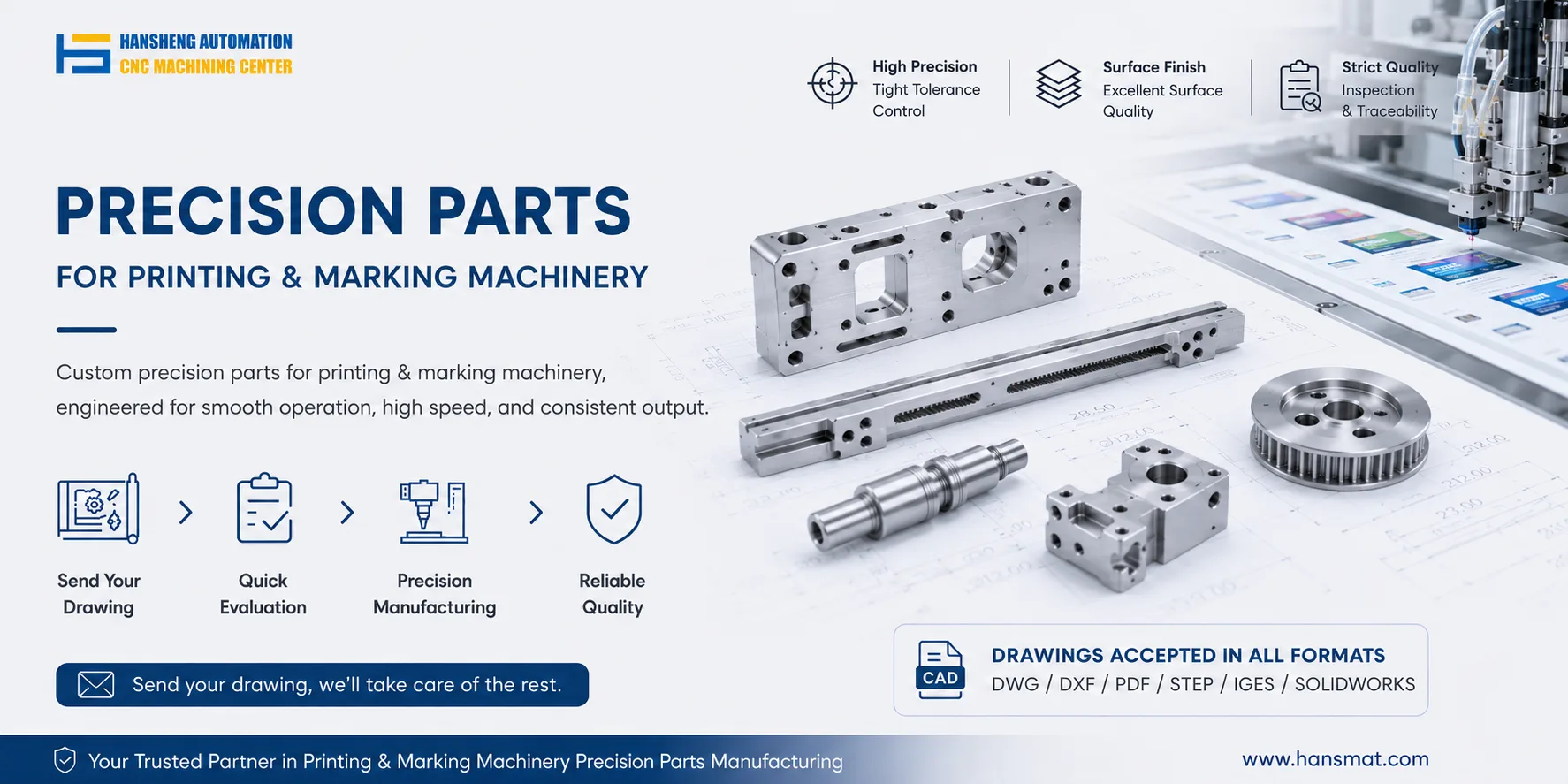
For dual-head machines that require synchronized spindle mounting plates, gantry components, or custom alignment fixtures, Hansheng Automation can provide precision machining according to specific machine models and production requirements.