During fluid bed drying, if the powder bed fails to achieve smooth fluidization or exhibits flow channeling (material blowing to one side with stagnant dead zones), the issue typically stems from pressure balance, airflow distribution, or material loading:
1. Insufficient Airflow Velocity and Dynamic Pressure
If the system airflow or dynamic pressure falls below the minimum fluidization velocity of the material, the gas cannot overcome the static bed weight and pressure drop, preventing particles from suspending. In such cases, operator intervention involves checking blower pressure, increasing the inlet air valve opening, or raising fan inverter frequencies to provide adequate lift.
2. Uneven Air Distribution Plate Resistance or Warpage
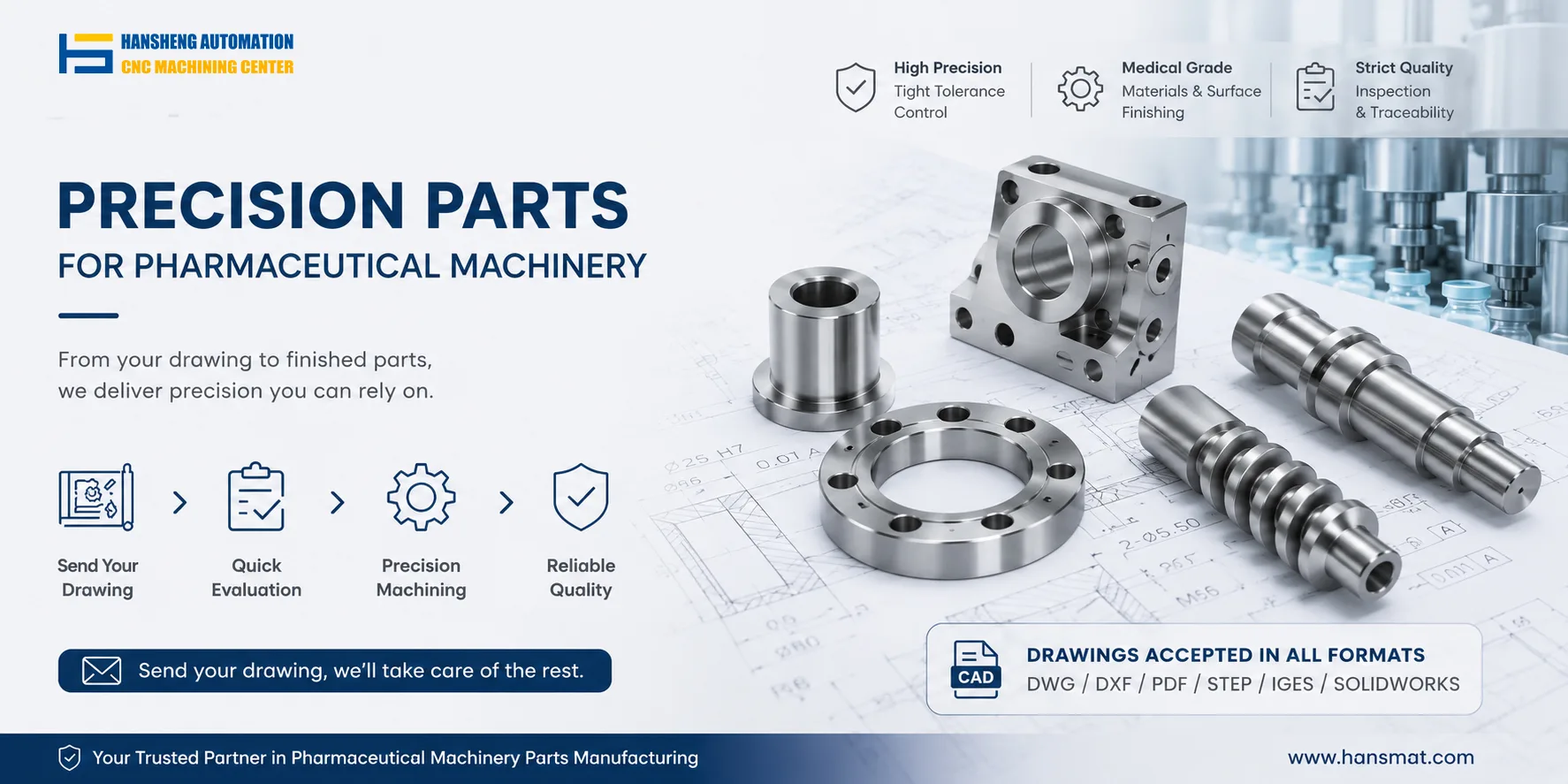
When the bottom perforated distribution plate suffers from localized clogging, uneven aperture spacing, or thermal warpage, fluidizing air preferentially channels through areas of lower resistance. This creates a one-sided blowout while leaving the opposite side defluidized. To address this uneven distribution, Hansheng Automation custom-machines high-flatness stainless steel air distribution plates with tight micro-hole pitch tolerances, bottom flow-guide cones, and damper regulating plates based on customer drawings, ensuring uniform cross-sectional resistance to eliminate fluidization dead zones.
3. Excessive Material Charge and High Initial Moisture
Exceeding the designed bed depth or feeding overly cohesive, wet agglomerates significantly increases overall bed pressure drop, preventing air from penetrating the heavy powder mass. Moderating the batch loading volume, refining pre-granulation moisture levels, or employing internal de-agglomeration agitators can restore uniform fluidization.