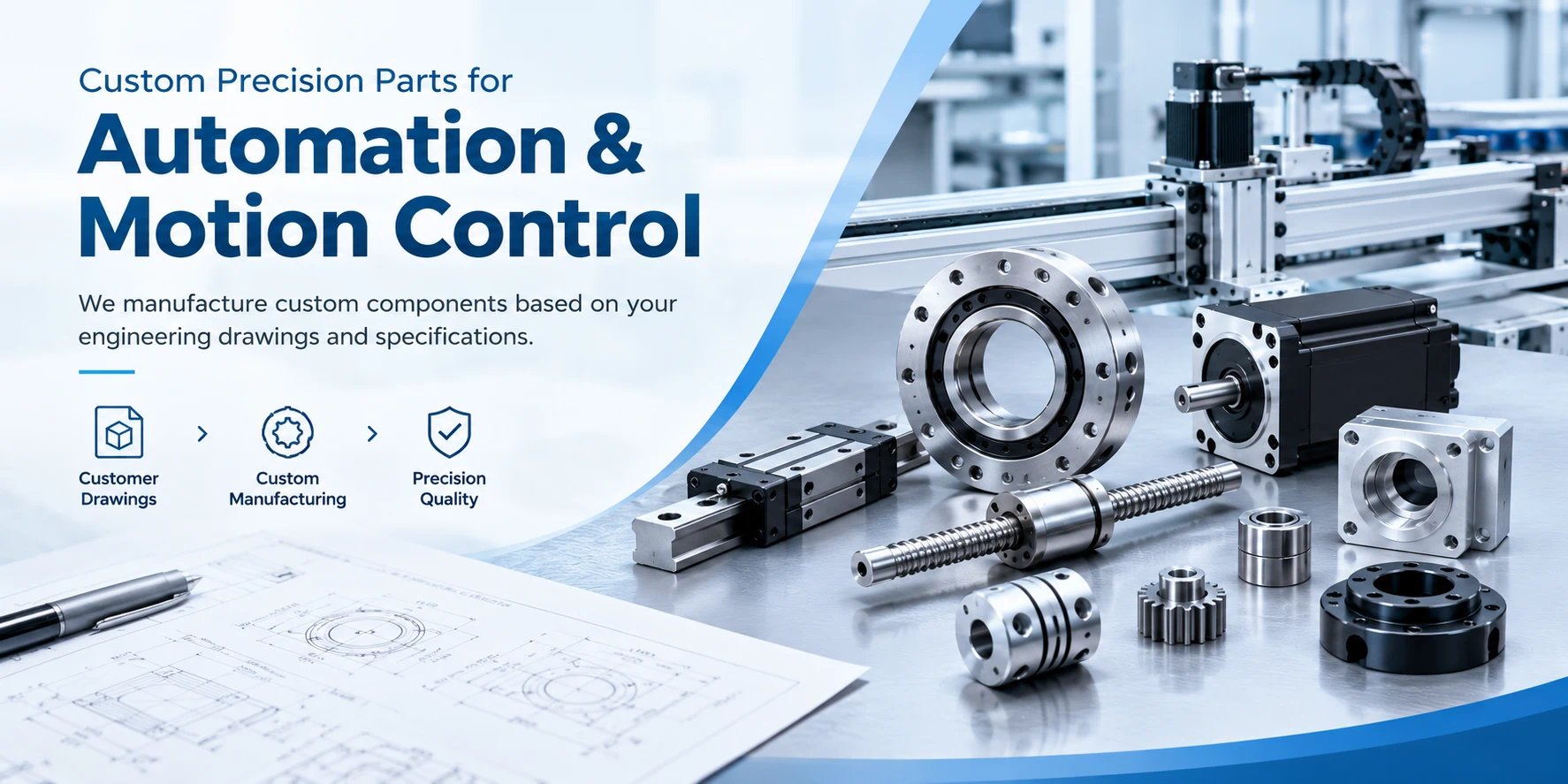
The automatic winding machine significantly improves winding efficiency through the application of precision components, integration of CNC systems, and targeted process configuration, which is reflected in the following aspects:
1. The core advantage of automatic winding machines lies in the integrated application of high-end sensors, high-precision transmission components, and servo systems, which enhances the automation processing capability driven by precision components. These components enable real-time monitoring and precise control of the winding process:
Sensor: Real time feedback of tension, speed, position and other parameters to ensure stable winding accuracy.
Servo system: achieves dynamic adjustment under high-speed motion through closed-loop control, reducing downtime correction time.
Transmission components: high-precision gears, guide rails, and other components reduce mechanical errors and improve repeat positioning accuracy.
2. The CNC system realizes full process automation of wire laying and CNC winding machine control system, covering the entire winding process through integrated design:
Automatic wiring function: Automatically plan the path based on coil parameters (such as wire diameter, turns, and layers), eliminate manual wiring errors, and improve winding density and consistency.
Functional integration: Integrating modules such as tension control, speed regulation, and wire breakage detection into a single control circuit to reduce equipment switching time.
Random differential configuration: supports dynamic adjustment of winding parameters based on wire characteristics, such as compensating for tension differences between flat and round wires, to avoid efficiency losses caused by material deformation.
3. Optimization of wire wheel process adaptability and winding efficiency. As a mechanism that directly contacts wires, wire wheels are designed to be optimized for different winding processes
Flat wire winding: Using rectangular groove wire wheels, the groove width and thickness are adjusted according to the wire diameter to ensure stable arrangement of rectangular section wires and reduce rework caused by slippage.
Single strand round wire winding: equipped with V-shaped guide wheels, the position of the wire is fixed by the guiding effect of the V-shaped groove to avoid centrifugal deviation during high-speed rotation.
Multi strand round wire winding: Use U-shaped guide wheels to separate multiple strands of enameled wire to prevent entanglement between them, while controlling the uniformity of tension per strand through groove depth.
4. Material differentiation design prolongs equipment service life. The selection of wire wheel material directly affects wear resistance and corrosion resistance, which in turn affects long-term work efficiency
Metal wheels: suitable for high-strength winding scenarios (such as large-diameter copper wires), but require regular lubrication to reduce wear.
Nylon wheels: Lightweight design reduces motor load and is suitable for high-speed winding of fine wires (such as enameled wires below 0.1mm).
Copper/aluminum alloy wheels: balance thermal conductivity and cost, commonly used for precision winding tasks that require frequent start stop.
Efficiency improvement data support: Taking the measured data from a certain electronic component factory as an example:
Manual winding: Single coil takes 120 seconds, with a defect rate of 5% (due to uneven wiring causing short circuits).
Automatic winding machine: Single coil takes 45 seconds, the defect rate is reduced to 0.3%, and the comprehensive efficiency is increased by more than 3 times.
Summary: The automatic winding machine achieves a leap in basic performance through precision components, the CNC system completes process automation integration, the wire wheel process adaptability solves pain points in segmented scenarios, material optimization ensures long-term stability, and ultimately forms a full chain efficiency improvement solution from hardware to software.