Advantages
- Laser welding is fast, with deep penetration, narrow weld seams, and little deformation. Less post-processing is needed.
- It is a non-contact process, which reduces mechanical contact. During operation, no one should touch the laser beam.
- It can weld many materials, including metals that arc welding and TIG welding struggle to weld or cannot weld. It can also weld dissimilar metals and even non-metals such as acrylic and ceramics.
- It is flexible and has a wide application range. It can weld regular shapes, special shapes, and hard-to-reach areas.
- Spot size is adjustable. It suits small and micro welding and can focus to a very small spot for precise welding.
- It suits large-scale automated production and saves cost.
- It has few limits from weather, temperature, and environment. It can weld in various conditions.
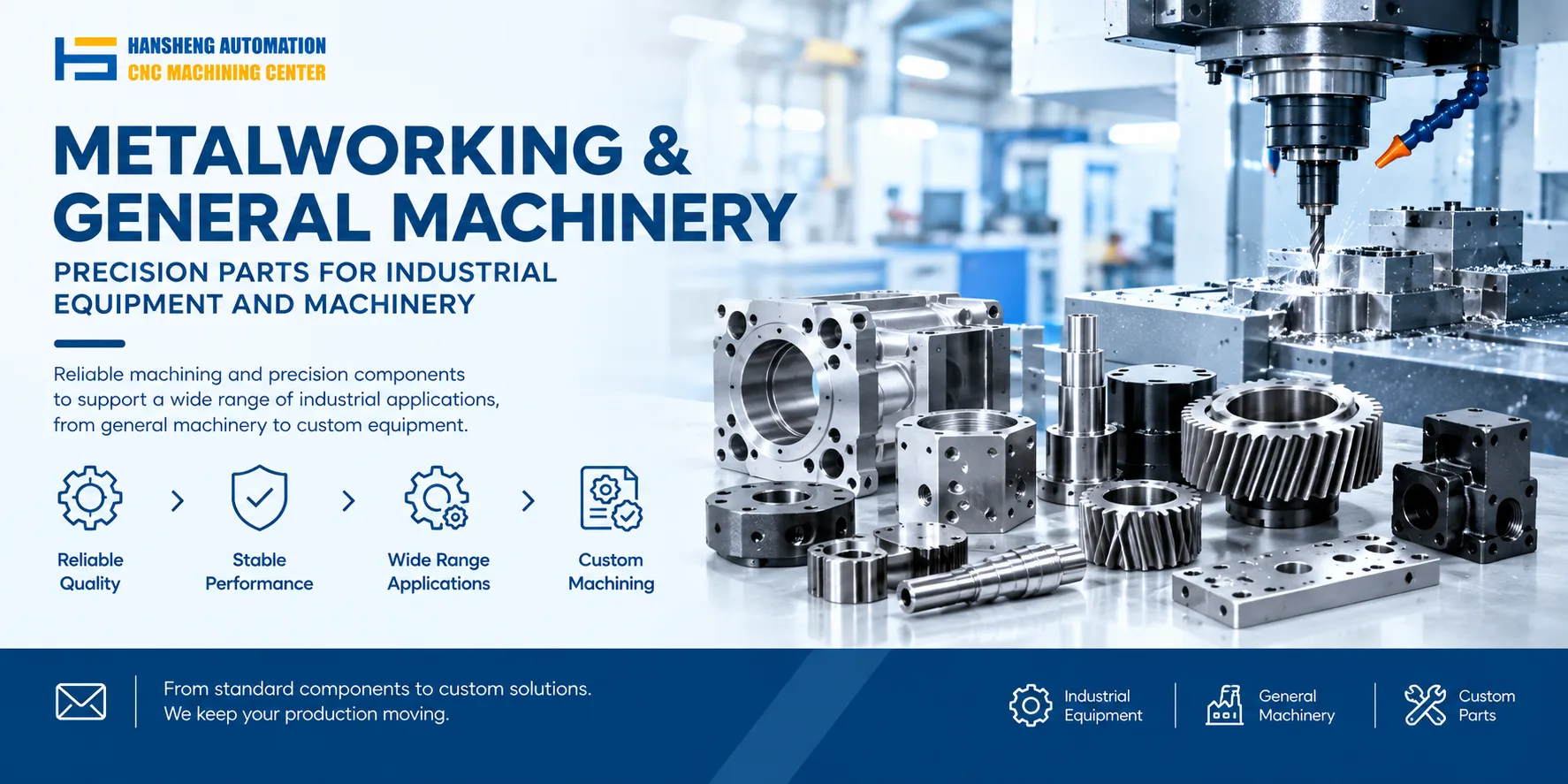
- We can machine custom nozzles, fixtures, protective lens holders, and other precision parts for laser welding machines from customer drawings, for single-piece or low-volume production.
Disadvantages
- Laser beam focus range is limited. The weld area must be within the focus range. Before welding, the part must be placed accurately with little offset. Positioning must be precise, or weld defects can occur.
- High-speed welding produces vapor. If the vapor is not removed from the weld pool in time, it can remain inside the workpiece and form porosity and other quality problems.
- The equipment is expensive. Laser energy efficiency is low, which adds significant operating cost.
Our custom precision component machining capability is not limited to laser welding equipment. Beyond welding nozzles, fixtures, and protective lens holders, we also machine yacht precision components, RC car structural parts, medical device parts, food machinery parts, and non-standard parts for tobacco packaging machinery, filling machinery, and textile machinery. Hansheng Automation works from customer drawings and production quantities to deliver single-piece or low-volume precision machining.