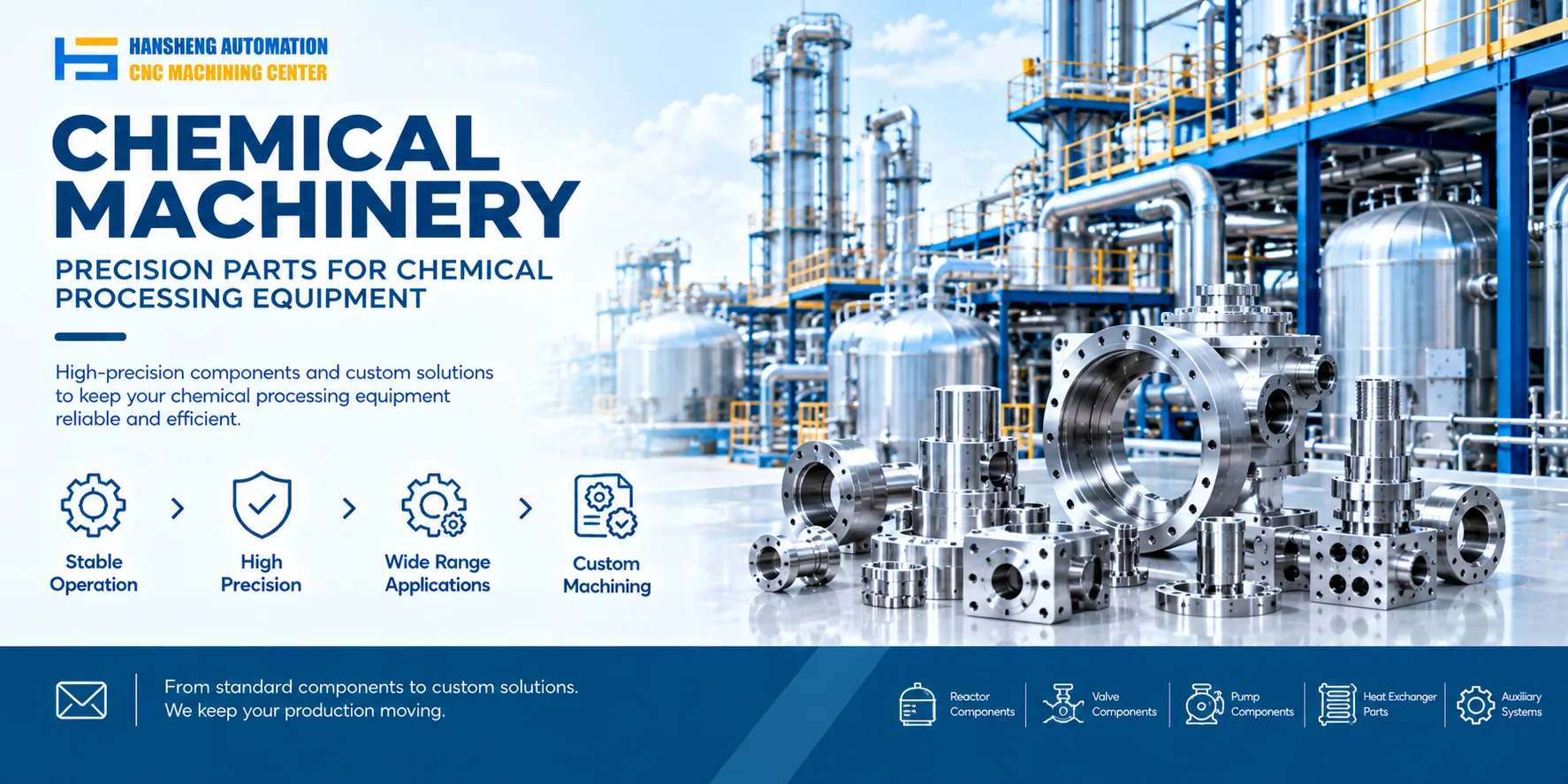
An industrial reactor consists of a vessel, vessel cover, jacket, agitator, drive system, shaft seal, and support structure. Each component has a specific function in containing the process material, controlling temperature, mixing the contents, transmitting power, maintaining sealing performance, or supporting the equipment.
The design and selection of these components depend on the process medium, operating pressure, temperature range, and agitation requirements. A typical stirred reactor may also include baffles, process connections, instrument ports, sight glasses, and safety protection devices.
1. Reactor vessel
The reactor vessel contains the process materials and forms the main structure of the equipment. For a pressure reactor, the vessel must be designed and manufactured according to the specified design pressure, design temperature, and applicable load conditions.
Material selection depends on the corrosiveness of the process medium, operating temperature and pressure, and product cleanliness requirements. Common materials include stainless steel grades such as 304 and 316L, as well as carbon steel suitable for the intended service. For corrosive media or applications with specific cleanliness requirements, glass-lined construction or other suitable lining materials may be considered.
The internal surface can be polished or treated for corrosion protection according to the process requirements. Different surface treatments affect corrosion resistance, cleaning, and maintenance, so the appropriate finish must be selected according to the material being processed.
2. Reactor cover
The reactor cover is located at the top of the vessel and is commonly connected to it by a flange or another suitable connection. It closes the vessel and provides mounting locations for feeding, agitation, instrumentation, and process piping.
Depending on the process, the cover may include feed inlets, gas outlets, temperature measurement ports, pressure measurement ports, sight glasses, manways, and connections for pressure relief devices. The actual configuration depends on the equipment design and process requirements. Not every reactor requires all of these components.
The cover and its connections must meet the applicable sealing and load requirements. Before opening a pressurized reactor or a reactor containing hazardous media, operators must follow the operating procedure and confirm that the equipment is in a safe condition for opening.
3. Jacket
A jacket is generally installed around the outside of the vessel to form a space for circulating heating or cooling media. By adjusting the temperature and flow rate of the heat transfer medium, the system controls heating, cooling, and heat exchange during the reaction.
Common heat transfer media include steam, thermal oil, and cooling water. The appropriate medium depends on the target temperature, required heat transfer capacity, operating pressure, and equipment design.
A jacket is not required on every reactor. Some equipment uses internal coils or an external circulation heat exchanger for temperature control. For reactions that generate substantial heat or require precise heating and cooling, the design should also account for heat transfer area, heat transfer capacity, and the response of the temperature control system.
4. Agitator
An agitator typically consists of a shaft and impellers mounted on it. Rotation of the impellers moves the material inside the vessel. The main purpose is to improve mixing and, depending on the process, support heat transfer, mass transfer, solid suspension, or gas dispersion.
Common impeller types include paddle, anchor, turbine, and propeller designs.
Paddle impellers have a relatively simple structure and are used in some low speed mixing applications. Anchor impellers are suitable for certain high viscosity materials and help move material near the vessel wall. Turbine impellers can provide stronger shear or dispersion, while propeller impellers primarily generate axial flow and are commonly used to circulate low viscosity liquids.
Impeller performance depends on material viscosity, rotational speed, impeller dimensions, and vessel geometry. For large reactors, the arrangement of multiple impellers, the use of baffles, and flow conditions in different regions of the vessel must also be considered. Impeller type alone does not determine mixing performance.
5. Drive system
The drive system transmits power to the agitator. It typically consists of a motor, gearbox, coupling, and associated mounting components.
The motor supplies the driving power. The gearbox adjusts the speed and output torque to suit the agitation requirements, while the coupling connects the relevant shafts. A variable frequency drive can also be used when the process requires adjustable agitation speed.
Drive selection should account for motor power, gear ratio, output torque, starting load, and operating speed. For high viscosity materials or applications with substantial agitation resistance, the load capacity of the agitator shaft and drive components must also be checked.
The gearbox and coupling should be selected according to the equipment configuration and operating conditions. Reactor volume or motor power alone is not sufficient to determine the appropriate drive arrangement.
6. Shaft seal
The shaft seal is installed where the agitator shaft passes through the vessel wall. It helps prevent process media from leaking out and, where required, prevents outside air or other substances from entering the system.
Common arrangements include packing seals, mechanical seals, and magnetic coupling drives with a containment structure.
Packing seals use compressed packing material to restrict leakage. Their structure is relatively simple, and maintenance is generally straightforward. However, their leakage control performance and suitability depend on pressure, temperature, shaft speed, and the properties of the process medium.
Mechanical seals use contacting seal faces to control leakage and can meet the requirements of many industrial reactor applications. Depending on the medium and operating conditions, single or double mechanical seals may be selected. Suitable buffer or barrier systems can be included where required.
Magnetic coupling drives transmit torque through a magnetic field and avoid the conventional rotating shaft seal interface where the agitator shaft would otherwise pass through the vessel wall. They can be considered when leakage risk must be reduced, but their torque capacity, operating temperature, and maintenance requirements still need to be verified for the specific design.
The shaft seal should be selected according to operating pressure, temperature, medium corrosiveness, hazard characteristics, and allowable leakage. No single sealing arrangement is suitable for every high pressure, toxic, or flammable service.
7. Support structure
The support structure carries the weight of the reactor vessel, its contents, and attached components. It transfers these loads to the foundation or mounting structure. The design must also account for other loads that may occur during operation and the effects of temperature changes.
Common support types include legs, lug supports, skirt supports, and saddle supports.
Leg supports are used on vertical equipment suited to this arrangement. Lug supports are fitted to some vertical vessels and transfer loads to a platform or steel structure. Skirt supports are commonly used for tall vertical vessels and distribute loads over a larger region. Saddle supports are generally used for horizontal vessels to distribute loads at the supporting locations.
The support arrangement depends on vessel shape, dimensions, weight, installation position, operating conditions, and foundation design. The load distribution at the support points must be checked, including the effects of thermal expansion and external loads, to avoid excessive local stress at the support connections.
8. Other common reactor components
In addition to the seven main components, a reactor may include the following auxiliary parts.
Baffles. Baffles are usually installed inside the vessel to improve flow patterns and reduce the tendency of the liquid to rotate as a single body with the impeller. Their need and arrangement depend on the mixing process.
Process connections and manways. Process connections are used for feed, discharge, venting, heat exchange, and instrumentation. Manways provide access for internal inspection and maintenance. Their locations and dimensions must meet process and maintenance requirements.
Instrumentation. Depending on the process, the reactor may be fitted with temperature sensors, pressure gauges, pressure transmitters, level detection devices, and other instruments to monitor important operating parameters.
Safety protection devices. Where required by the equipment design and risk assessment, the reactor may be equipped with suitable safety valves, rupture discs, alarms, and safety interlocks. The type and number of devices depend on the operating conditions and safety design requirements.
9. How to select reactor components
Reactor components are interdependent. Selection should begin with the process medium, operating temperature and pressure, agitation load, and heat transfer requirements. These conditions determine the appropriate vessel material, jacket or coil arrangement, agitator type, drive system, and shaft seal.
For corrosive or hazardous media, material compatibility and leakage control require particular attention. For high viscosity materials, the required agitator torque and the load capacity of the drive system must be verified. For processes with demanding temperature control requirements, the heat transfer capacity, temperature measurement method, and control system must work together as intended.
In addition to precision components for reactor equipment, we provide custom machining services for a range of industries. Based on customer provided drawings, we manufacture parts for tobacco packaging machinery and filling equipment, as well as precision components for yachts and radio controlled racing cars. The machining scope depends on the component design, dimensions, and technical requirements specified in the drawings.