

As a supplier of planetary gearboxes, I understand the critical importance of shock resistance in these mechanical components. Planetary gearboxes are widely used in various industries, including automotive, aerospace, and industrial machinery, where they are often subjected to sudden and intense loads. Improving the shock resistance of a planetary gearbox not only enhances its reliability and durability but also ensures the smooth operation of the entire system. In this blog post, I will share some effective strategies and techniques to enhance the shock resistance of a planetary gearbox.
Understanding the Basics of Planetary Gearboxes
Before delving into the methods of improving shock resistance, it is essential to have a basic understanding of planetary gearboxes. A planetary gearbox consists of a central sun gear, multiple planet gears, and an outer ring gear. The planet gears are mounted on a carrier, which rotates around the sun gear. This unique configuration allows for high torque transmission, compact size, and high efficiency.
Planetary gearboxes are known for their ability to handle high loads and provide precise speed reduction. However, they are also vulnerable to shock loads, which can cause damage to the gears, bearings, and other components. Shock loads can occur due to various factors, such as sudden starts and stops, impact forces, and changes in load direction.
Factors Affecting Shock Resistance
Several factors influence the shock resistance of a planetary gearbox. Understanding these factors is crucial for implementing effective improvement measures. Here are some key factors to consider:
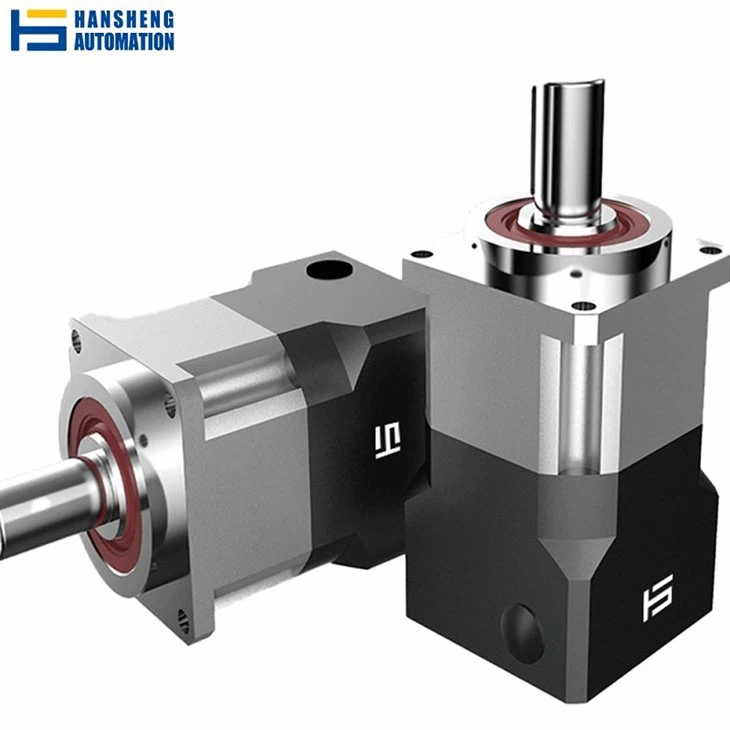

- Gear Material and Heat Treatment: The choice of gear material and its heat treatment process significantly affect the gear's strength and toughness. High-quality materials with excellent fatigue resistance and impact toughness are essential for withstanding shock loads. For example, case-hardened steels are commonly used in planetary gearboxes due to their high surface hardness and core toughness.
- Gear Geometry and Design: The design of the gears, including the tooth profile, helix angle, and contact ratio, plays a crucial role in distributing the load evenly and reducing stress concentration. Optimal gear geometry can help minimize the impact of shock loads on the gears. Additionally, proper design of the gearbox housing and internal components can provide better support and protection against shock.
- Bearing Selection and Lubrication: Bearings are critical components in a planetary gearbox, as they support the rotating shafts and reduce friction. Selecting high-quality bearings with appropriate load ratings and lubrication is essential for ensuring smooth operation and preventing premature failure under shock loads. Adequate lubrication helps reduce friction, dissipate heat, and protect the bearings from wear and corrosion.
- Assembly and Alignment: Proper assembly and alignment of the gearbox components are crucial for maintaining the integrity of the system. Misalignment can cause uneven loading, increased stress, and premature wear of the gears and bearings. Precise assembly techniques and alignment tools should be used to ensure that all components are correctly positioned and aligned.
Strategies to Improve Shock Resistance
Based on the factors mentioned above, here are some effective strategies to improve the shock resistance of a planetary gearbox:
- Upgrade Gear Material and Heat Treatment: Consider using high-strength materials and advanced heat treatment processes to enhance the gear's strength and toughness. For example, carburizing and quenching can significantly improve the surface hardness and core toughness of the gears, making them more resistant to shock loads.
- Optimize Gear Geometry and Design: Work with experienced engineers to optimize the gear geometry and design for better load distribution and stress reduction. This may involve adjusting the tooth profile, helix angle, and contact ratio to minimize stress concentration and improve the gear's ability to withstand shock. Additionally, consider using finite element analysis (FEA) to simulate the gearbox's performance under different load conditions and identify potential areas for improvement.
- Select High-Quality Bearings and Lubricants: Choose bearings with high load ratings and excellent shock resistance. Consider using specialized bearings, such as spherical roller bearings or tapered roller bearings, which are designed to handle high radial and axial loads. Additionally, use high-quality lubricants that are specifically formulated for planetary gearboxes to ensure proper lubrication and protection against wear and corrosion.
- Improve Assembly and Alignment Techniques: Implement strict quality control measures during the assembly process to ensure that all components are correctly installed and aligned. Use precision alignment tools and techniques to minimize misalignment and ensure that the gearbox operates smoothly. Regularly inspect and maintain the gearbox to detect and correct any alignment issues early on.
- Add Shock Absorption Features: Consider incorporating shock absorption features, such as dampers or buffers, into the gearbox design. These features can help absorb and dissipate the energy generated by shock loads, reducing the impact on the gears and other components. For example, elastomeric dampers can be used to isolate the gearbox from the surrounding structure and reduce vibration and shock transmission.
Case Study: Improving Shock Resistance in a High-Speed Planetary Gearbox
To illustrate the effectiveness of these strategies, let's consider a case study of a high-speed planetary gearbox used in a wind turbine. The gearbox was experiencing frequent failures due to shock loads caused by sudden changes in wind speed and direction.
The following improvements were implemented to enhance the shock resistance of the gearbox:
- Gear Material Upgrade: The original gears were made of a standard steel alloy. They were replaced with a high-strength case-hardened steel alloy, which provided better fatigue resistance and impact toughness.
- Gear Geometry Optimization: The tooth profile and helix angle of the gears were optimized using FEA to improve load distribution and reduce stress concentration. This resulted in a more even distribution of the load across the gear teeth, reducing the risk of tooth breakage.
- Bearing Selection and Lubrication: High-quality spherical roller bearings with high load ratings were selected to replace the original bearings. Additionally, a synthetic lubricant with excellent anti-wear and anti-corrosion properties was used to ensure proper lubrication and protection of the bearings.
- Assembly and Alignment Improvement: Strict quality control measures were implemented during the assembly process to ensure that all components were correctly installed and aligned. Precision alignment tools were used to minimize misalignment and ensure smooth operation of the gearbox.
- Shock Absorption Features: Elastomeric dampers were added to the gearbox housing to absorb and dissipate the energy generated by shock loads. This helped reduce the impact on the gears and other components, improving the overall reliability of the gearbox.
After implementing these improvements, the gearbox's shock resistance was significantly enhanced, and the frequency of failures was reduced. The wind turbine was able to operate more reliably and efficiently, resulting in increased energy production and reduced maintenance costs.
Conclusion
Improving the shock resistance of a planetary gearbox is essential for ensuring its reliability and durability in various applications. By understanding the factors affecting shock resistance and implementing effective strategies, such as upgrading gear material and heat treatment, optimizing gear geometry and design, selecting high-quality bearings and lubricants, improving assembly and alignment techniques, and adding shock absorption features, you can enhance the performance and longevity of your planetary gearbox.
As a supplier of Planetary Gear Systems, Planetary Gearboxes, and High-Speed Planetary Gearbox, we are committed to providing our customers with high-quality products and solutions that meet their specific requirements. If you have any questions or need assistance in improving the shock resistance of your planetary gearbox, please feel free to contact us. We look forward to discussing your needs and helping you find the best solution for your application.
References
- Mott, R. L. (2016). Machine Elements in Mechanical Design. Pearson.
- Dudley, D. W. (1994). Handbook of Practical Gear Design and Manufacture. McGraw-Hill.
- Townsend, D. P. (2005). Dudley's Gear Handbook: Design, Manufacture, and Application. CRC Press.